How to Prepare for a Home Inspection in Western North Carolina

A Smooth Inspection Starts with Preparation
Whether you're buying, selling, or maintaining a property, being prepared for a home inspection helps ensure the process goes quickly, safely, and thoroughly. At Western North Carolina Property Inspections, we’ve seen firsthand how proper prep can reduce stress, prevent delays, and eliminate confusion during the inspection.
If you're a seller, preparing your home shows that you’ve maintained the property and can help avoid unnecessary red flags. If you’re a buyer, understanding what inspectors look for helps you ask better questions and know what to expect.
This guide outlines simple, actionable steps to make your inspection efficient and accurate — from clearing access points to gathering documents.
If you’re the current occupant or property owner, completing these tasks before the inspector arrives makes a major difference in the outcome and speed of your inspection
Pre-Inspection Checklist for Homeowners and Sellers
Make sure that
electricity, gas, and water are fully turned on. This is critical — if systems can't be tested, the inspection will be incomplete or may need to be rescheduled.
1
Ensure All Utilities Are On
Inspectors need to reach all important areas of the property. Be sure to:
Unlock all gates, doors, and sheds
Provide access to
attics, basements, crawlspaces
Move any stored items blocking
electrical panels, water heaters, or HVAC units
Clear vegetation or debris around the foundation
Make sure stairways, hallways, and utility rooms are unobstructed
Make sure stairways, hallways, and utility rooms are unobstructed
2
Clear Access to Major Systems
Blocked access points will delay the report or limit its scope.
If lights don’t turn on, we can't always determine if it’s the bulb or a wiring issue. Replacing any burned-out bulbs helps avoid false issues in the report.
3
Replace Burned-Out Light Bulbs
Functional
smoke and carbon monoxide detectors are an easy fix that reflect well during inspections — especially in real estate transactions.
4
Test Smoke and CO Detectors
Inspections require entry into every room, including garages and backyards. Please secure dogs, cats, or other pets, or take them off-site for the duration of the inspection.
5
Remove Pets or Secure Them Safely

Documents to Provide (If Available)
If you're the seller, having the following paperwork ready helps the inspector, buyer, and agent better understand the home’s history:
- Receipts for HVAC, roof, or structural repairs
- Warranty documents for major systems or appliances
- Past inspection or pest reports
- Septic tank service history (if applicable)
- Radon mitigation system information (if installed)
While this documentation isn’t required, it helps support what the inspection uncovers and demonstrates responsible ownership.
What Buyers Should Know Before the Inspection
If you're the buyer or buyer’s agent, here are some preparation tips to help you get the most from the inspection:
Be Present if Possible
Step one
You’re encouraged to attend the inspection. This gives you a chance to:
- See issues firsthand
- Ask questions in real time
- Understand the home beyond the report
You don’t need to follow the inspector throughout, but being present at the end for a summary walkthrough is highly recommended.
Know the Scope of the Inspection
Step two
Standard inspections are visual and non-invasive, meaning inspectors don’t open walls or test every outlet. Knowing the limits of what is and isn't inspected helps set clear expectations.
For a deeper evaluation, you can request add-on services like:
- Sewer Scope
- Radon Testing
- Mold Assessment
- Septic Inspection
- Thermal Imaging
These are available through Western North Carolina Property Inspections and can be scheduled together with the main inspection.
Prepare Questions in Advance
Step three
Bring a list of questions or concerns to discuss with the inspector, especially if you noticed anything unusual during showings or walkthroughs.
Common Issues That Cause Delays
Even small oversights can interrupt or limit an inspection. Common issues to avoid:
- Inaccessible attics or crawlspaces
- Missing keys to sheds, garages, or locked areas
- Pets loose inside the property
- Power, water, or gas shut off
- Overly cluttered garages or basements
Preventing these problems helps the inspection proceed without interruption or rescheduling.
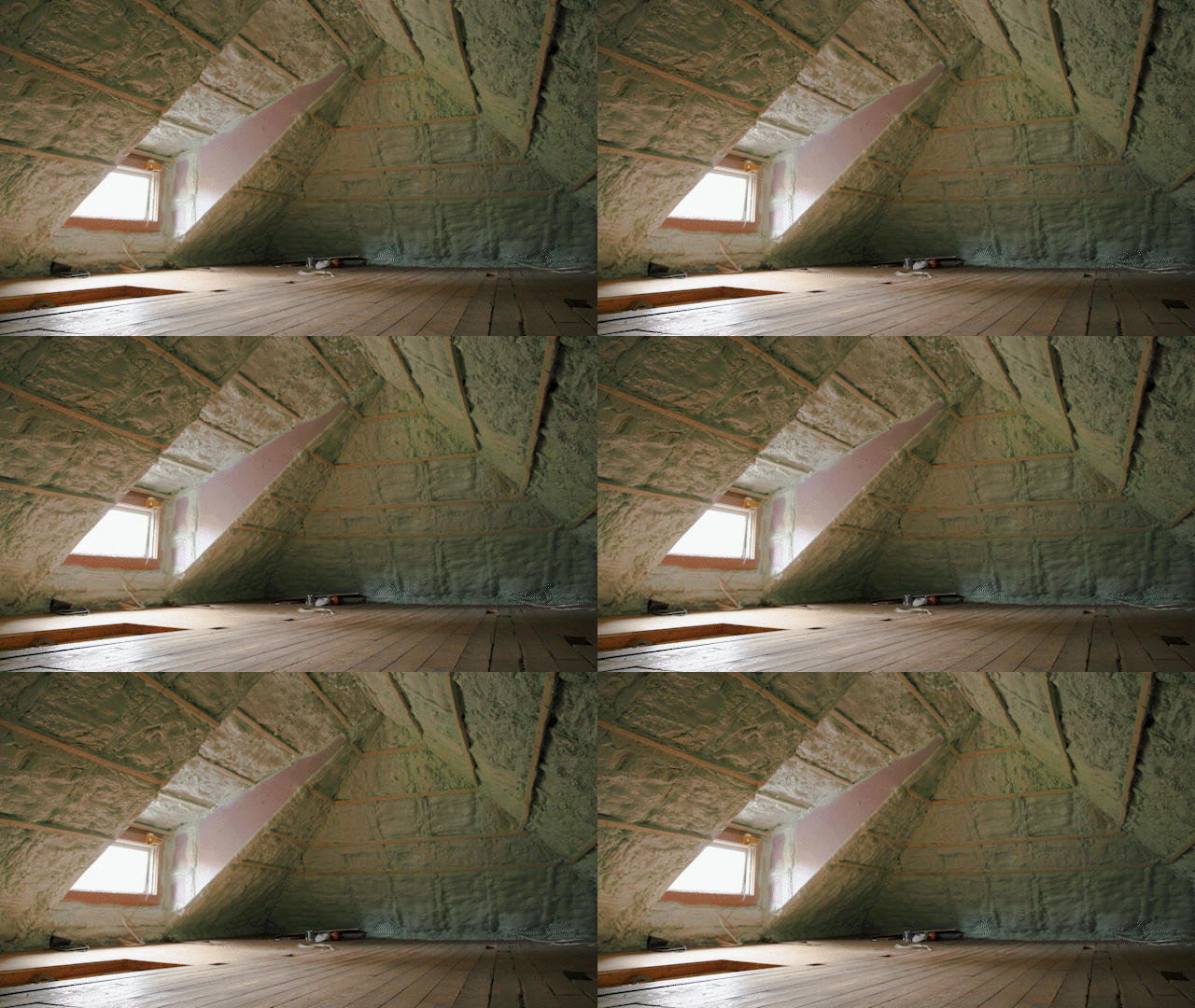
Common Issues That Cause Delays
Even small oversights can interrupt or limit an inspection. Common issues to avoid:
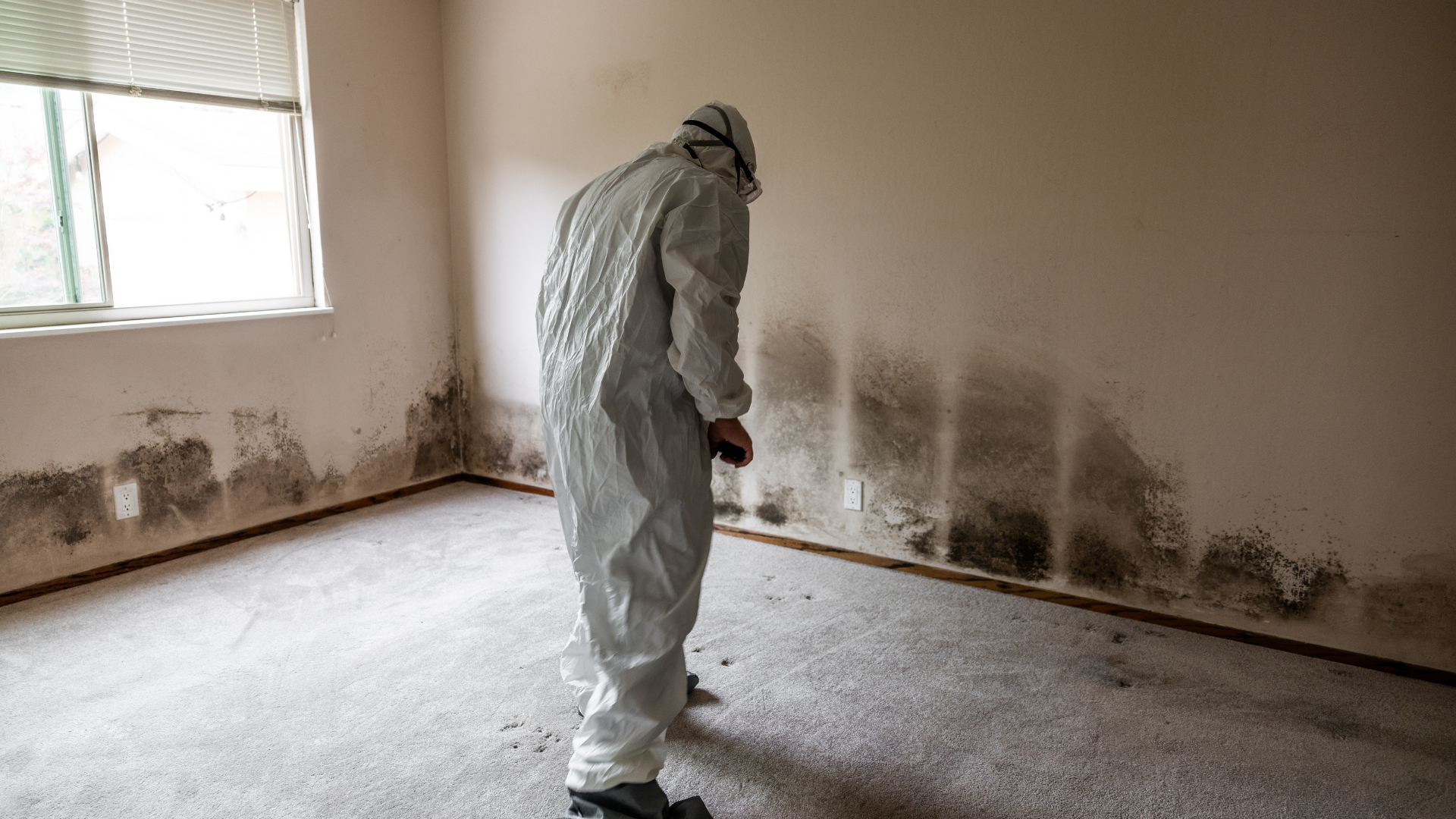
Mold Assessment
- Remove clutter around suspected moisture areas
- Avoid cleaning mold prior to inspection — this may hide evidence
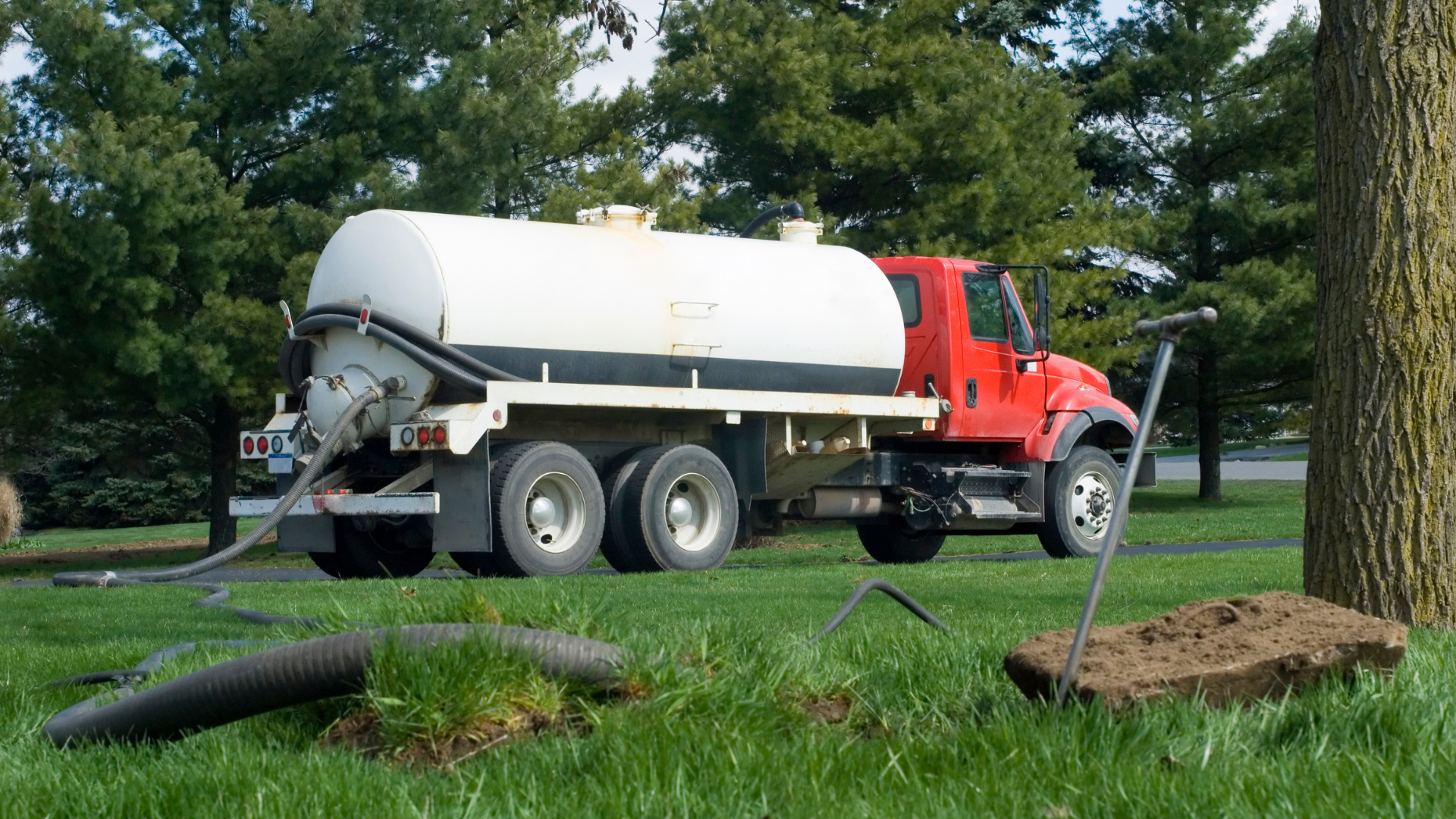
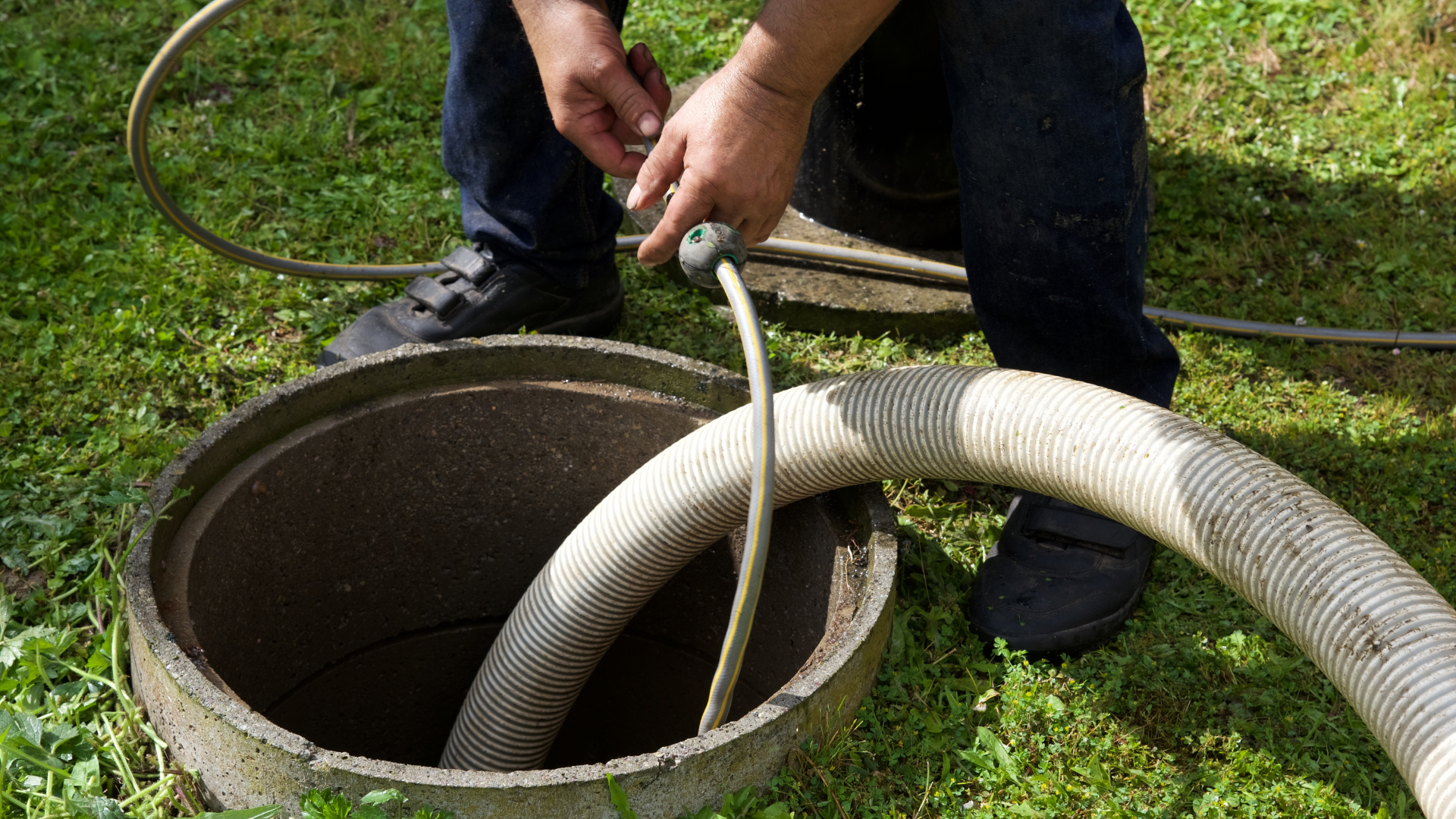
Septic System Inspection
- Ensure tank lid is accessible
- Provide service records if possible
Sewer Scope
- Make sure cleanout access is available
- Avoid running water before the technician arrives
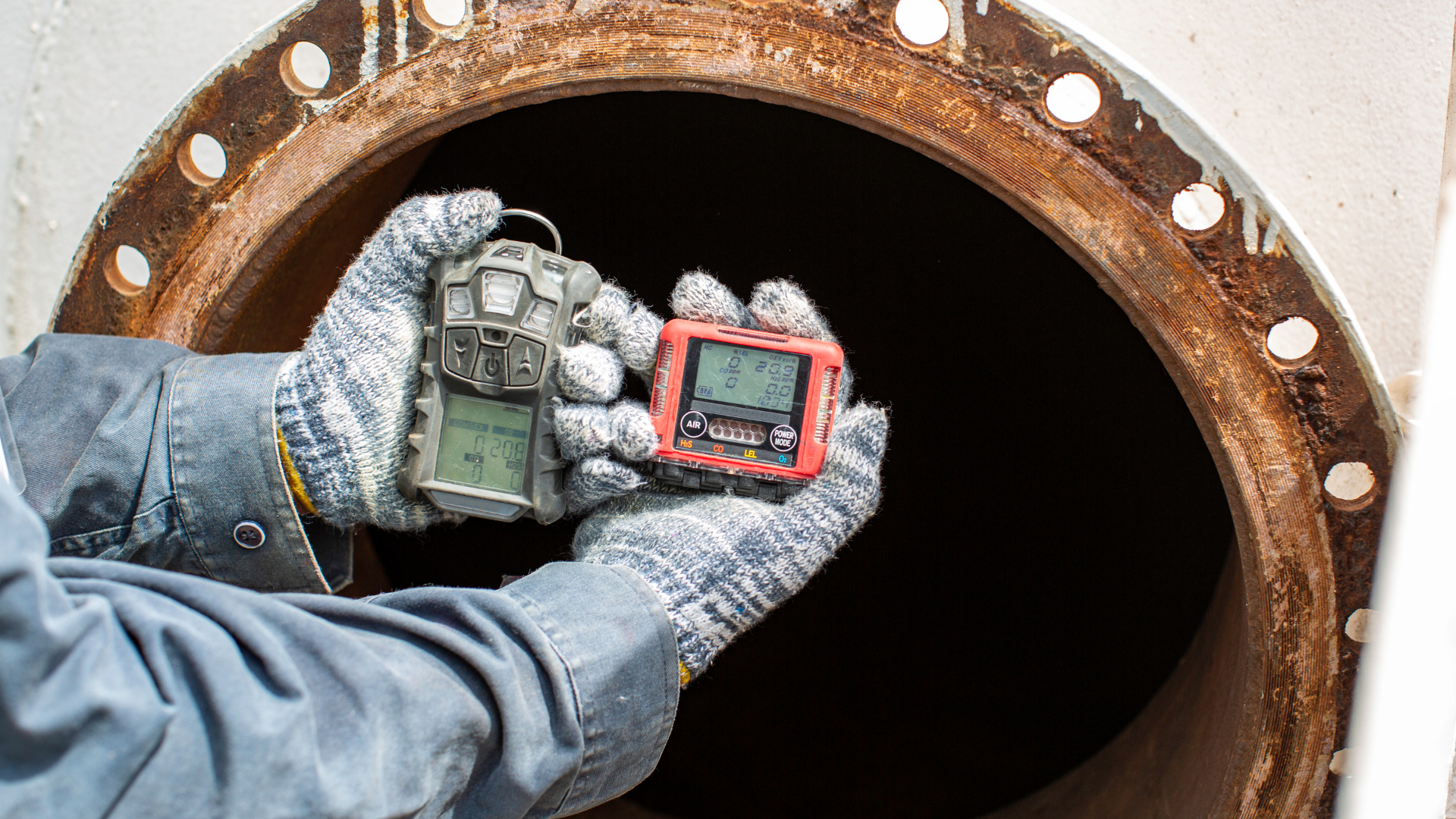
Radon Testing
- Keep windows and doors closed (except normal entry/exit) for 12 hours before the test
- Don’t use whole-house fans or window AC units during testing
Help Us Help You
Our goal is to deliver the most complete, accurate, and useful report possible — and your preparation makes that easier. Whether you’re a homeowner, buyer, seller, or agent, these steps help us inspect thoroughly and report with clarity.
Need help coordinating specialty inspections or scheduling everything at once? We offer bundled services to make the process simple.
Schedule with Western North Carolina Property Inspections
We're proud to serve Asheville, Hendersonville, Brevard, and surrounding areas with professional, certified inspections. Contact us with questions or to book your inspection today.
Contact Info:
Hours:
Monday–Friday, 8 AM–6 PM
Service Area:
Western North Carolina, including Asheville, Hendersonville & Brevard