Whether you're buying or selling a home in Asheville, a professional home inspection is one of the most important steps in the real estate process. It can make or break a deal — or save you thousands. The good news? With the right preparation, you can ensure the inspection process is smooth, transparent, and stress-free.
In this guide, we’ll walk you through how to prepare for a home inspection in Asheville and surrounding areas so you’re ready — whether you’re a homeowner, buyer, or agent.
What Is a Home Inspection and Why Does It Matter?
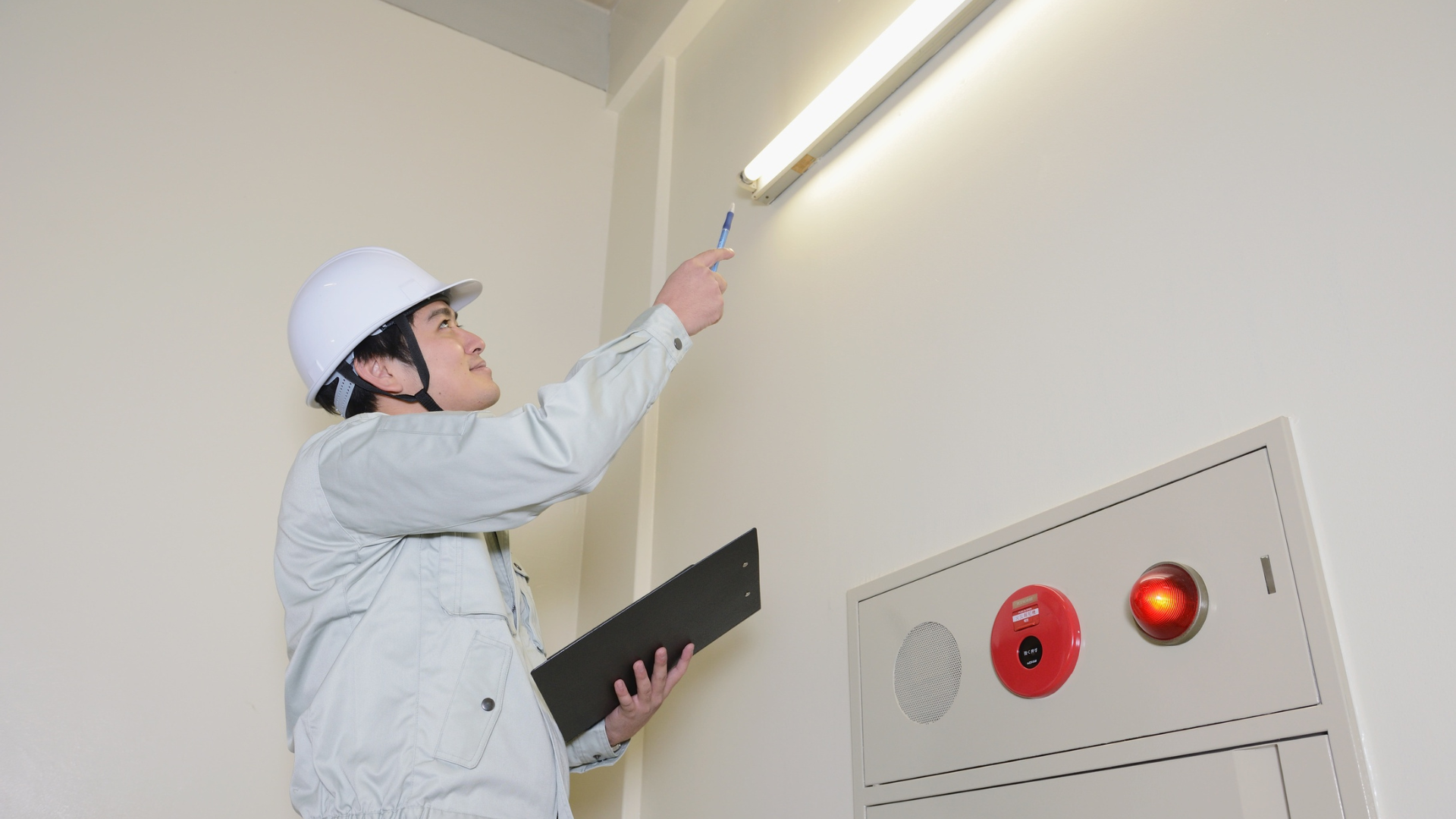
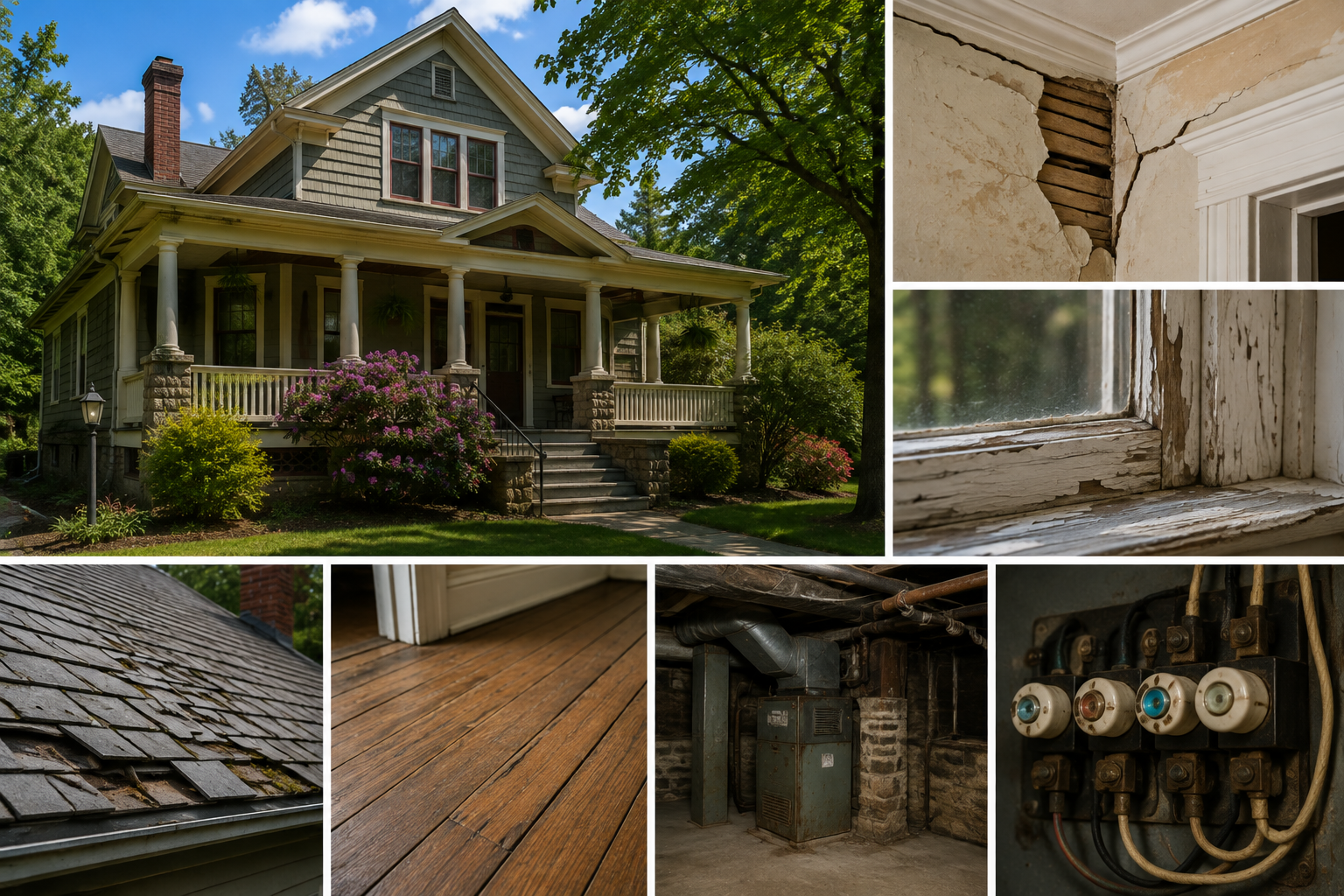
A home inspection is a detailed, third-party evaluation of a property's condition. A certified inspector examines the structure, major systems (HVAC, plumbing, electrical), roof, foundation, and more.
For buyers, it's a chance to uncover hidden issues. For sellers, it's an opportunity to fix problems before they scare off offers. In North Carolina — especially in markets like Asheville, Hendersonville, and Brevard — home inspections are standard practice before closing.
Preparing Your Home for Inspection: Seller’s Checklist
If you're selling a home, here’s how to make sure your property is inspection-ready:
1. Clean and Declutter
A tidy home shows that it’s been cared for. Inspectors need clear access to all areas: attic, basement, closets, electrical panels, crawlspaces, and more.
2. Ensure All Utilities Are On
Water, gas, electricity — make sure everything is functional. Inspectors will test major systems and appliances.
3. Replace Burned-Out Bulbs and Batteries
This includes smoke detectors and carbon monoxide alarms. A dead bulb can raise questions about potential electrical issues.
4. Label Access Points
Clearly label breaker panels, water shut-offs, and HVAC filters. If access is hidden (e.g., attic pull-down in a closet), make it obvious and accessible.
5. Fix Minor Issues in Advance
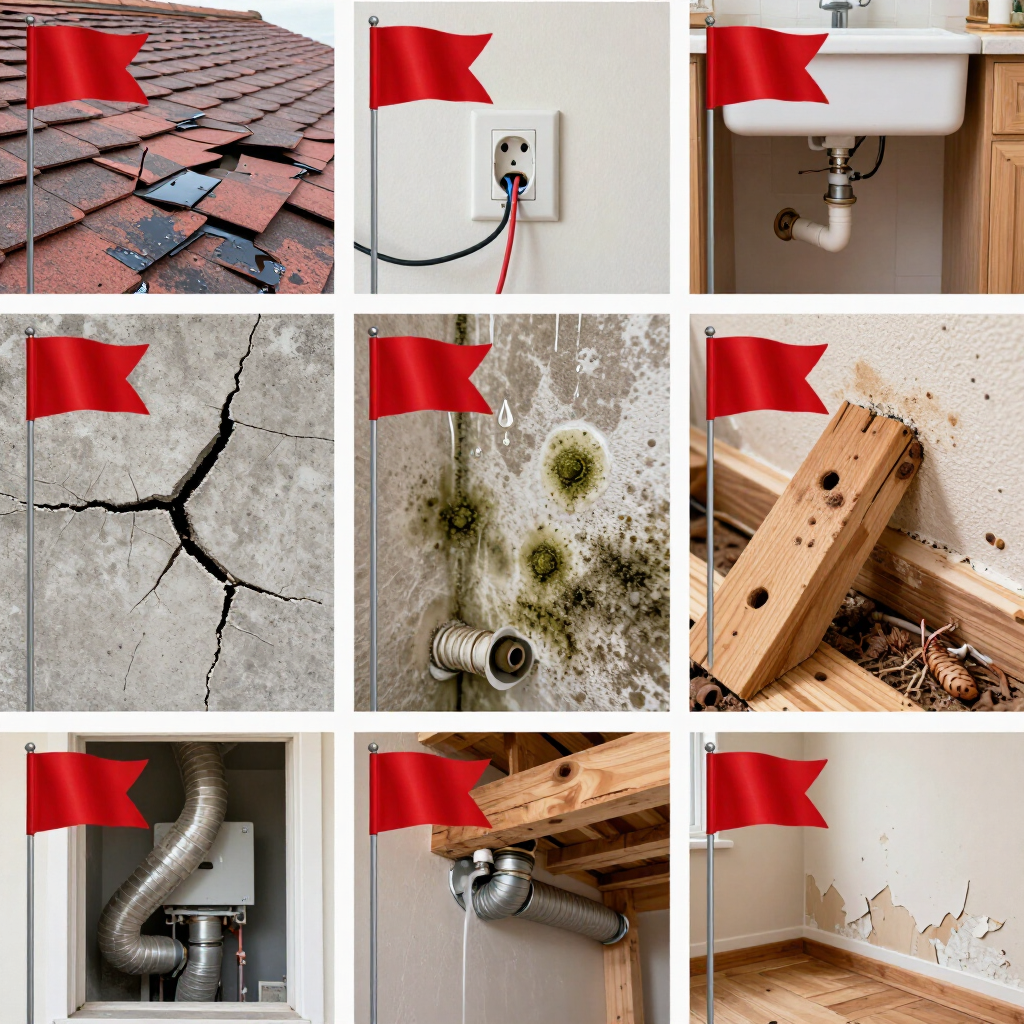
Dripping faucets, loose doorknobs, cracked windows — these small fixes matter. They create a stronger first impression and reduce red flags.
6. Provide Clear Access
Move furniture, unlock sheds or gates, and ensure the inspector can reach all systems and structures without delay.
7. Leave During the Inspection
Most buyers prefer to attend the inspection without the seller present. Plan to be away for 2–4 hours.
Tips for Buyers: What to Bring and Expect
If you're buying a home, here’s how to get the most from your inspection:
Bring:
- Notebook and pen
- Phone (for photos or videos)
- Copy of your purchase agreement
- List of concerns or questions
Ask:
- Can I attend the inspection? (Most inspectors encourage it.)
- What are the biggest concerns you see?
- Are there any safety hazards or high-cost repairs?
What Inspectors Look For:
- Roof damage or age
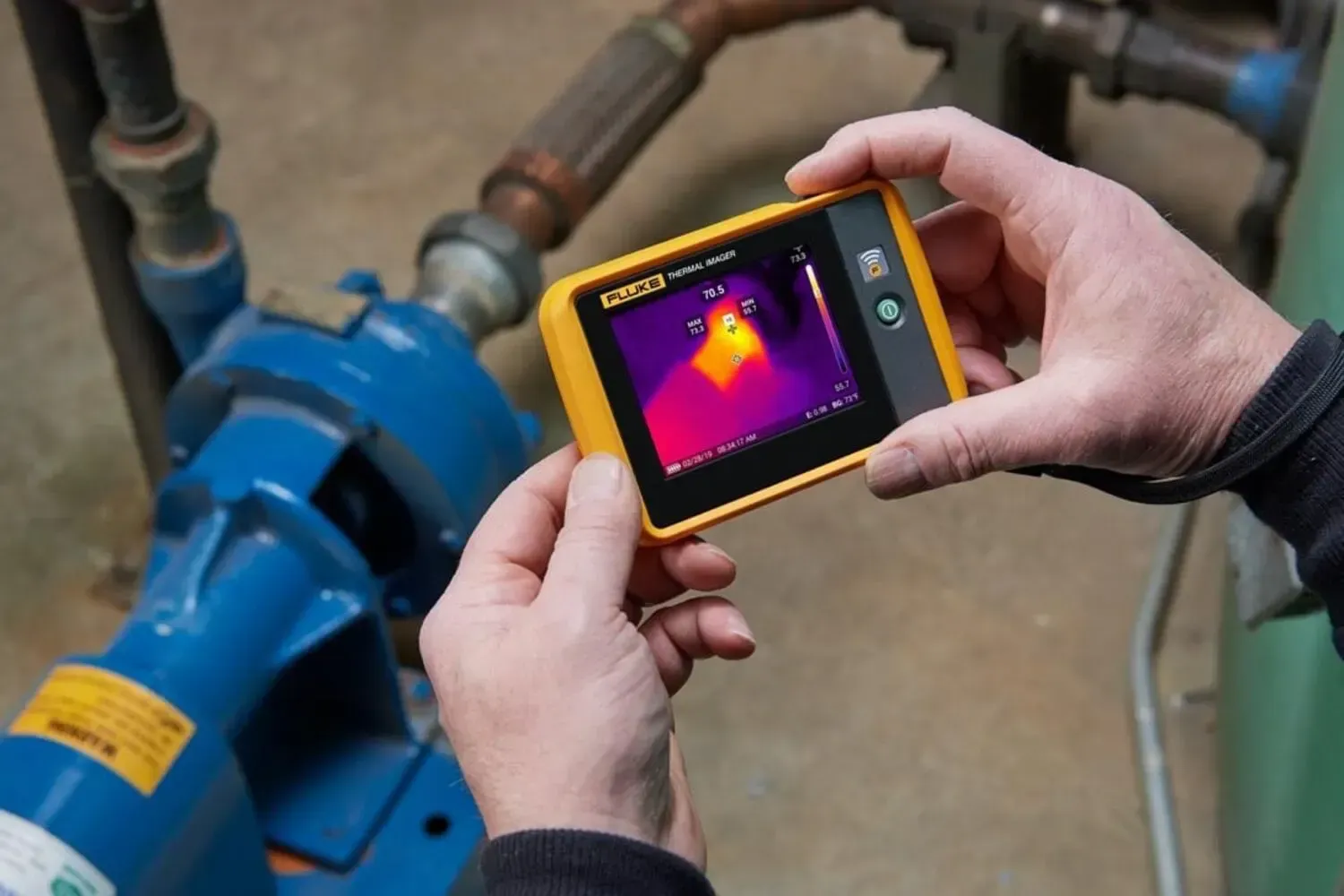
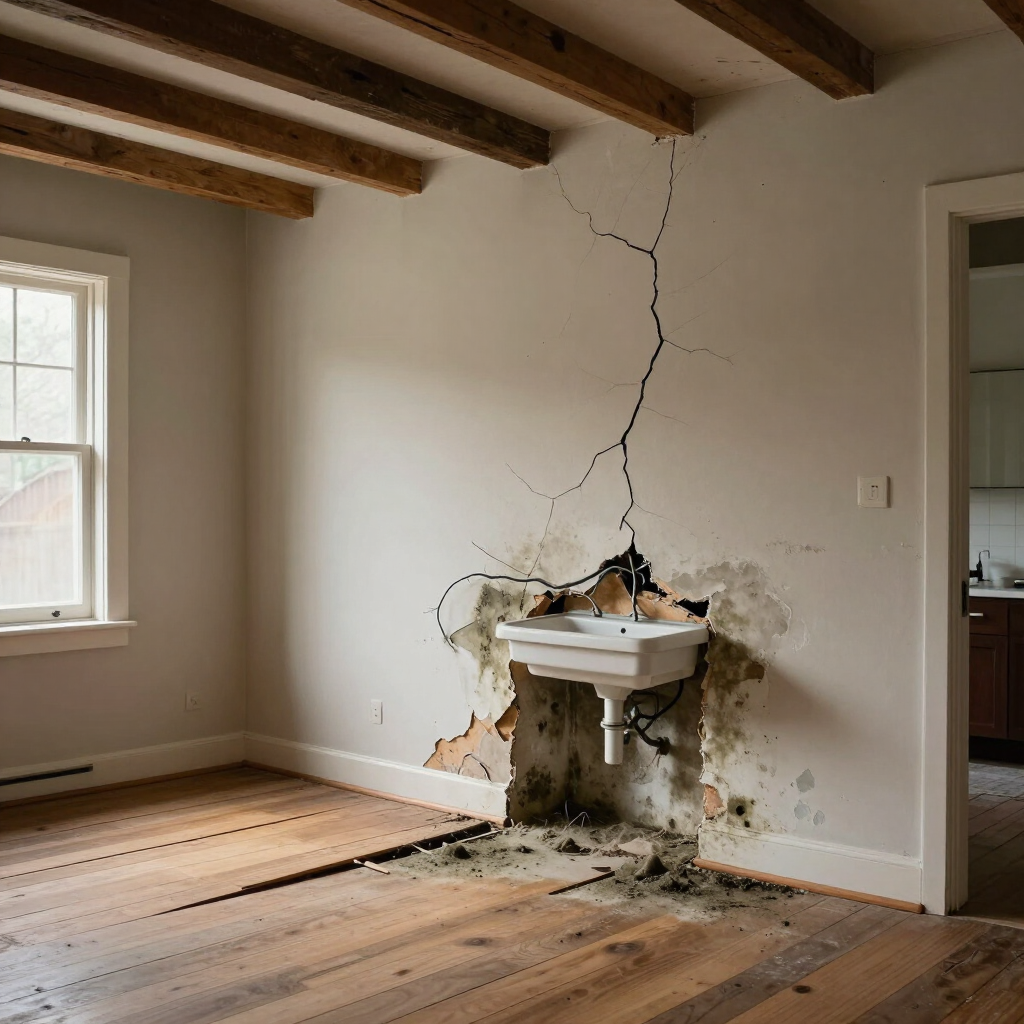
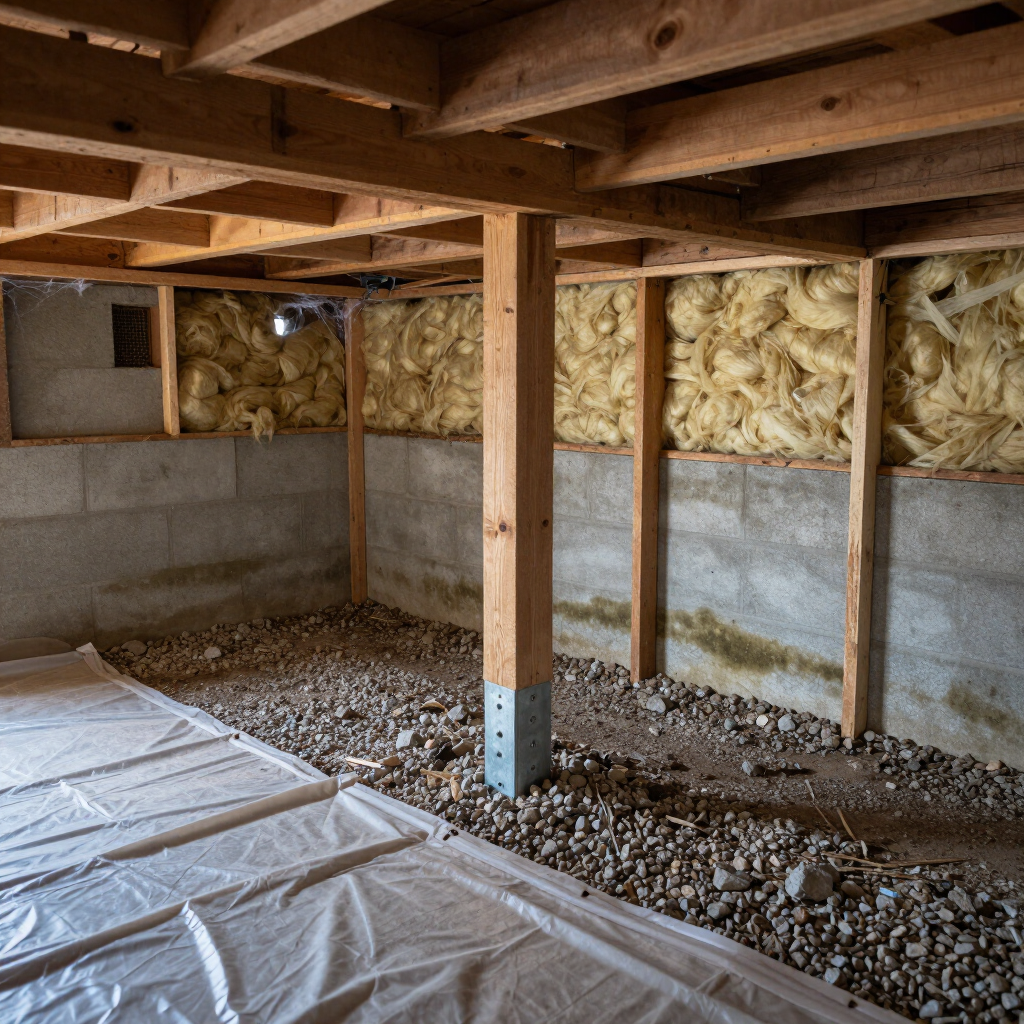
- Moisture issues (crawlspaces, basements)
- HVAC performance
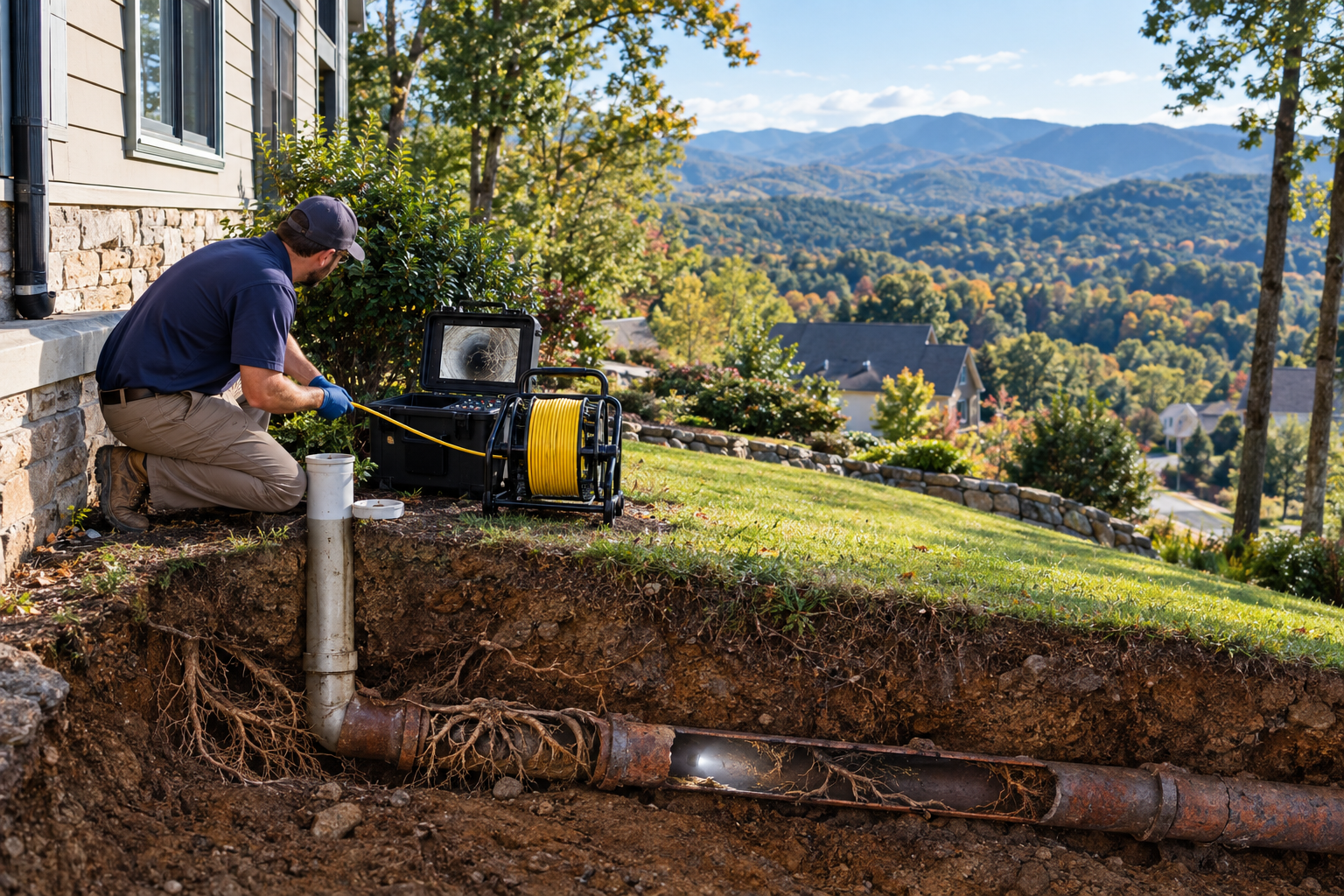
- Plumbing leaks or corrosion
- Electrical panel condition
- Attic ventilation and insulation
Pro Tip: In Asheville and surrounding Western NC areas, radon, moisture intrusion, and aging septic systems are common inspection concerns. Consider adding [radon testing – https://www.westernnorthcarolinapropertyinspectionsllc.com/radon-testing] or [septic inspection – https://www.westernnorthcarolinapropertyinspectionsllc.com/septic-inspection] to your inspection package.
Local Factors to Keep in Mind (Asheville, Hendersonville, Brevard)
Western North Carolina has unique property inspection challenges due to its terrain and climate. Here’s what locals should keep in mind:
- Radon levels are higher than the national average — testing is highly recommended.
- Older homes in Asheville may have outdated electrical or plumbing systems that need upgrades.
- Moisture from the region’s mountain humidity can impact crawlspaces and foundation stability.
- Well water is common in rural properties — schedule [water sampling – https://www.westernnorthcarolinapropertyinspectionsllc.com/water-sampling] to ensure safe drinking water.
Frequently Asked Questions
Do I need to be home during the inspection?
Sellers: No. It’s best if you are not present.
Buyers: Yes. You should attend if possible to ask questions and see issues firsthand.
How long does a home inspection take in Asheville?
Typically 2 to 4 hours, depending on the home’s size and systems.
What happens after the inspection?
You’ll receive a full written report with photos, notes, and professional recommendations within 24–48 hours.
What if the inspection reveals problems?
That’s normal. Most inspections uncover issues. Buyers can use the report to request repairs or negotiate closing terms.
Ready to Schedule a Home Inspection in Asheville, NC?
Whether you're preparing to sell or you're in the process of buying,
Western North Carolina Property Inspections provides expert evaluations tailored to the unique homes found in the Asheville region.
We proudly serve:
- Asheville
- Hendersonville
- Brevard
- And surrounding communities across Western NC
Call today at (828) 989-9715 or request an inspection online at
https://www.westernnorthcarolinapropertyinspectionsllc.com