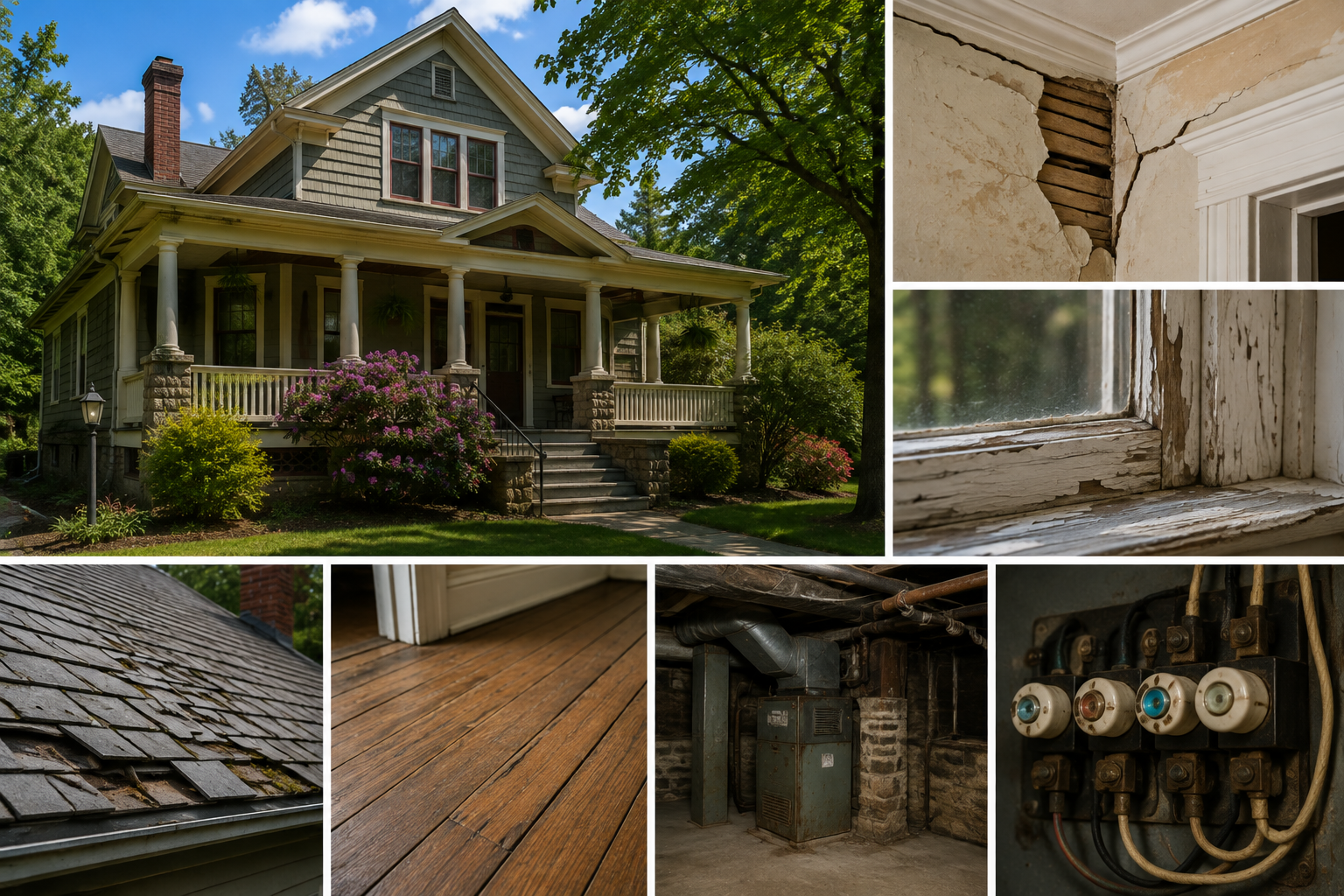
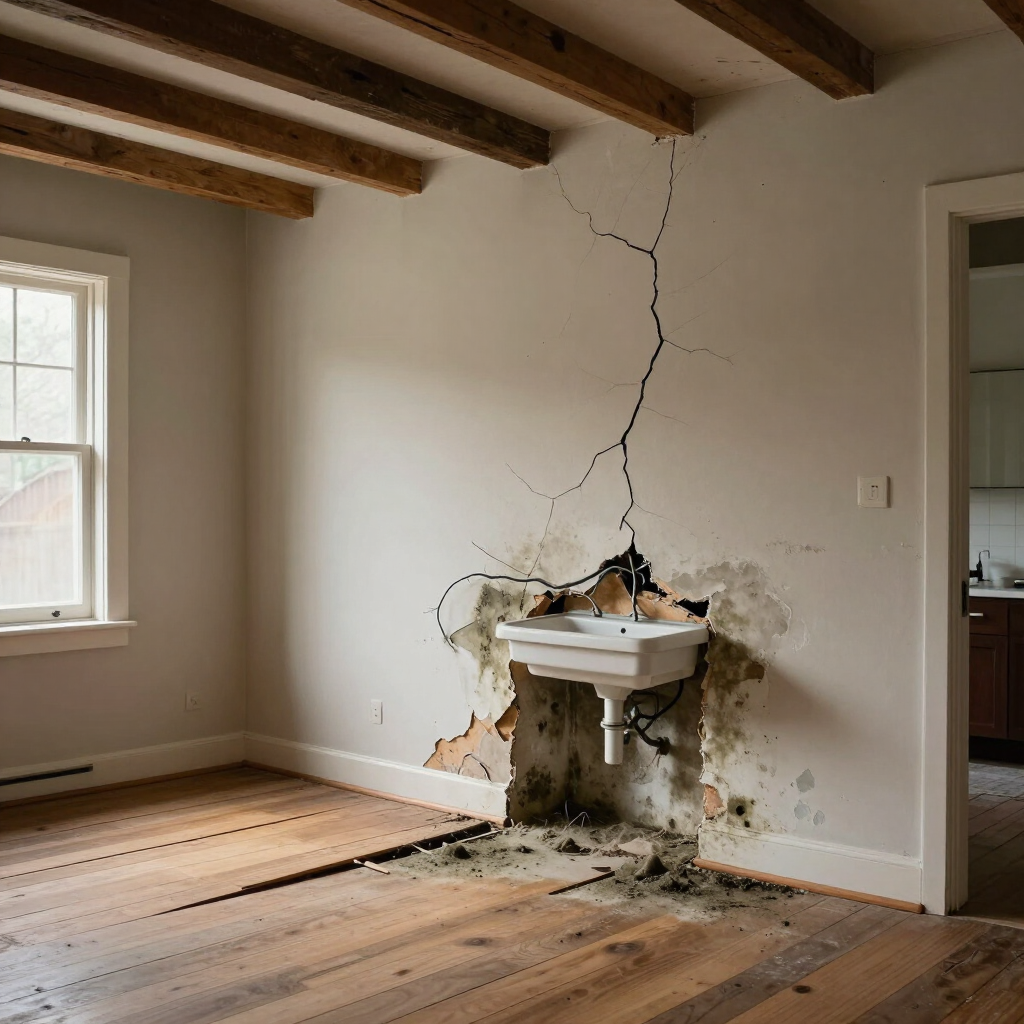
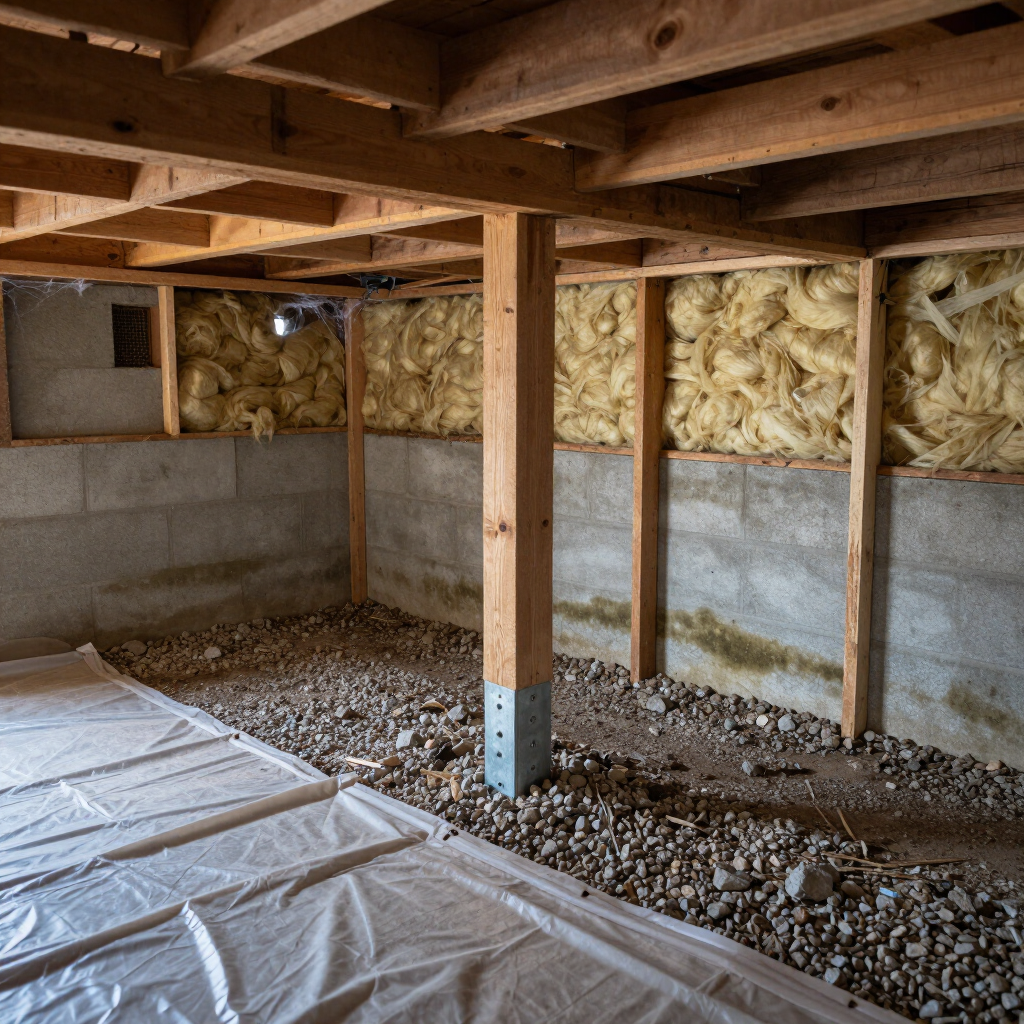
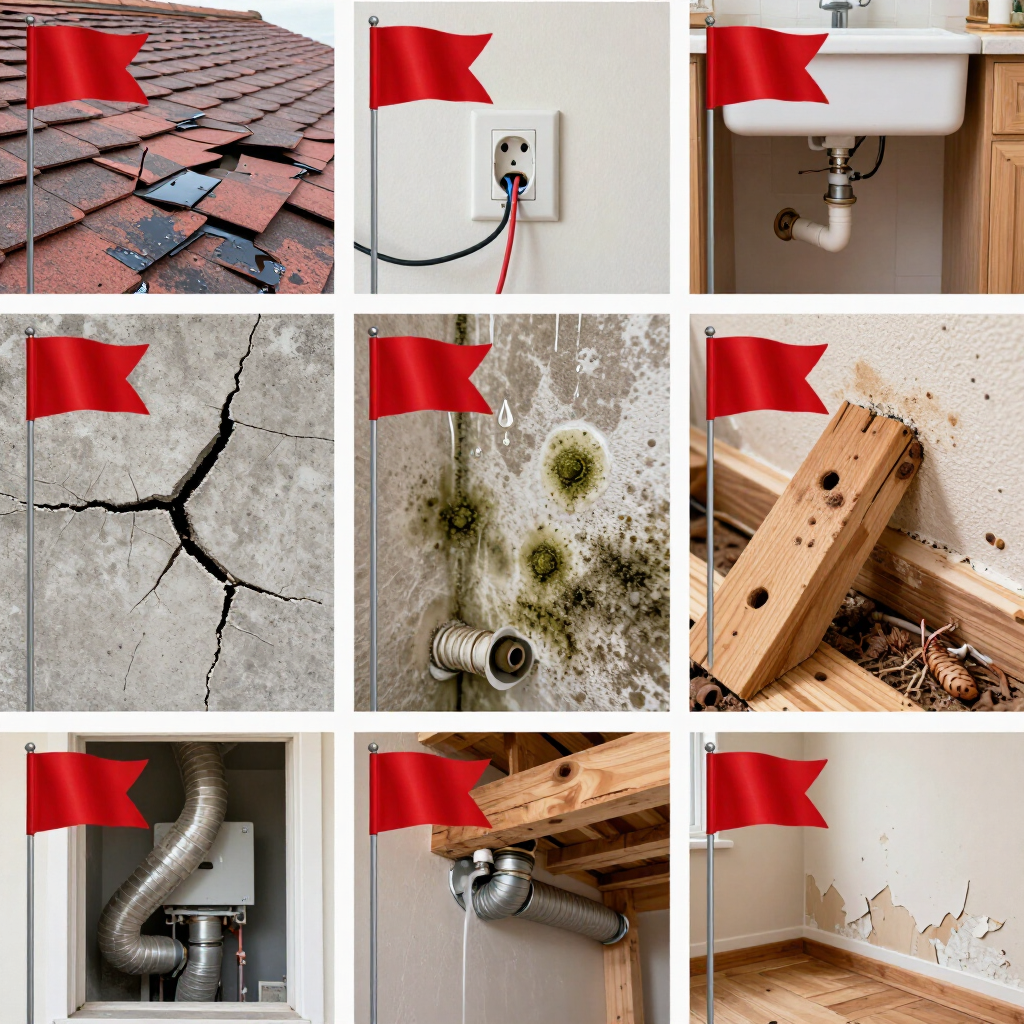
Mold is more than just an eyesore — it’s a serious indoor air quality issue that can quietly affect your family’s health and your home’s structure. And in a place like Brevard, NC, where high humidity and rainy seasons are the norm, hidden mold problems are more common than many homeowners realize.
The challenge? Mold often grows where you can’t see it — inside walls, beneath flooring, in crawlspaces, or behind bathroom tile. That’s why a professional mold assessment is essential when you suspect a problem, or even if you just want peace of mind.
At Western North Carolina Property Inspections, we offer mold inspections throughout Brevard and surrounding areas to detect hidden contamination before it becomes a major issue. In this article, we’ll explain:
- Why mold is so common in homes around Brevard
- Signs you may have a hidden mold issue
- What a mold assessment includes
- Health risks of ignoring mold
- What to do if your home tests positive
Let’s take a closer look at what could be growing behind the scenes — and how to protect your home and health.
Why Is Mold So Common in Brevard, NC?
Brevard is nestled in the Blue Ridge Mountains and known for its lush landscapes, waterfalls, and beautiful forests — but all that beauty comes with a very wet climate. The area receives more than 67 inches of rainfall per year, far above the national average.
Combine this with:
- Naturally high humidity levels
- Homes with crawlspaces or basements
- Aging properties with poor ventilation
- Seasonal storms and roof leaks
…and you have ideal conditions for mold growth.
Even small water intrusions — like a slow plumbing leak or a damp foundation — can create a perfect breeding ground for mold if left unchecked. That’s why early detection through a professional mold inspection is so important.
Signs Mold May Be Hiding in Your Home
Mold can grow undetected for months or even years. If you’re noticing any of the following, it may be time to schedule a mold inspection:
1. Musty Odors
A damp, earthy, or “mildew” smell in a certain room or part of the home is often one of the earliest signs of hidden mold.
2. Persistent Allergies or Respiratory Issues
Symptoms that worsen indoors may be caused by airborne mold spores. These can include:
- Sneezing
- Coughing
- Itchy eyes or throat
- Headaches
- Asthma flare-ups
3. Past or Present Water Leaks
Even leaks that have been “fixed” can leave behind enough moisture for mold to grow behind walls or under flooring.
4. Visible Discoloration
Dark spots on ceilings, baseboards, or around windows may be mold — even if dry to the touch.
5. High Humidity Indoors
Condensation on windows, musty closets, and damp air can indicate excessive indoor moisture — a warning sign for mold growth.
If any of these apply to your home — especially in high-risk areas like basements, crawlspaces, or bathrooms — a mold inspection can help you take action before the problem spreads.
What Does a Mold Assessment Include?
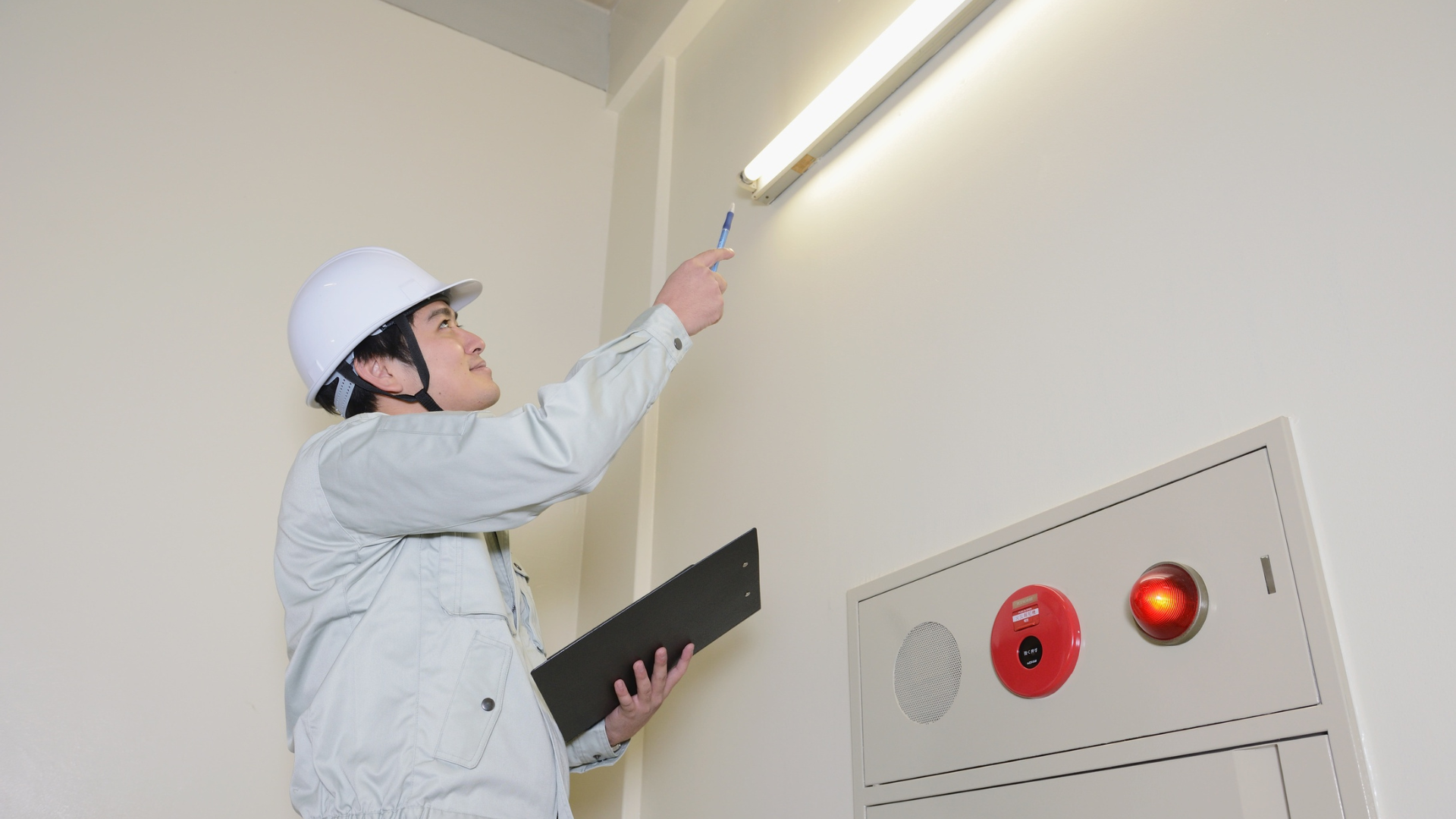
At Western North Carolina Property Inspections, our mold assessment process goes far beyond a visual check. We use a combination of advanced tools and techniques to accurately detect moisture and mold presence, even behind walls or under flooring.
Here's what our mold inspections involve:
1. Visual Inspection
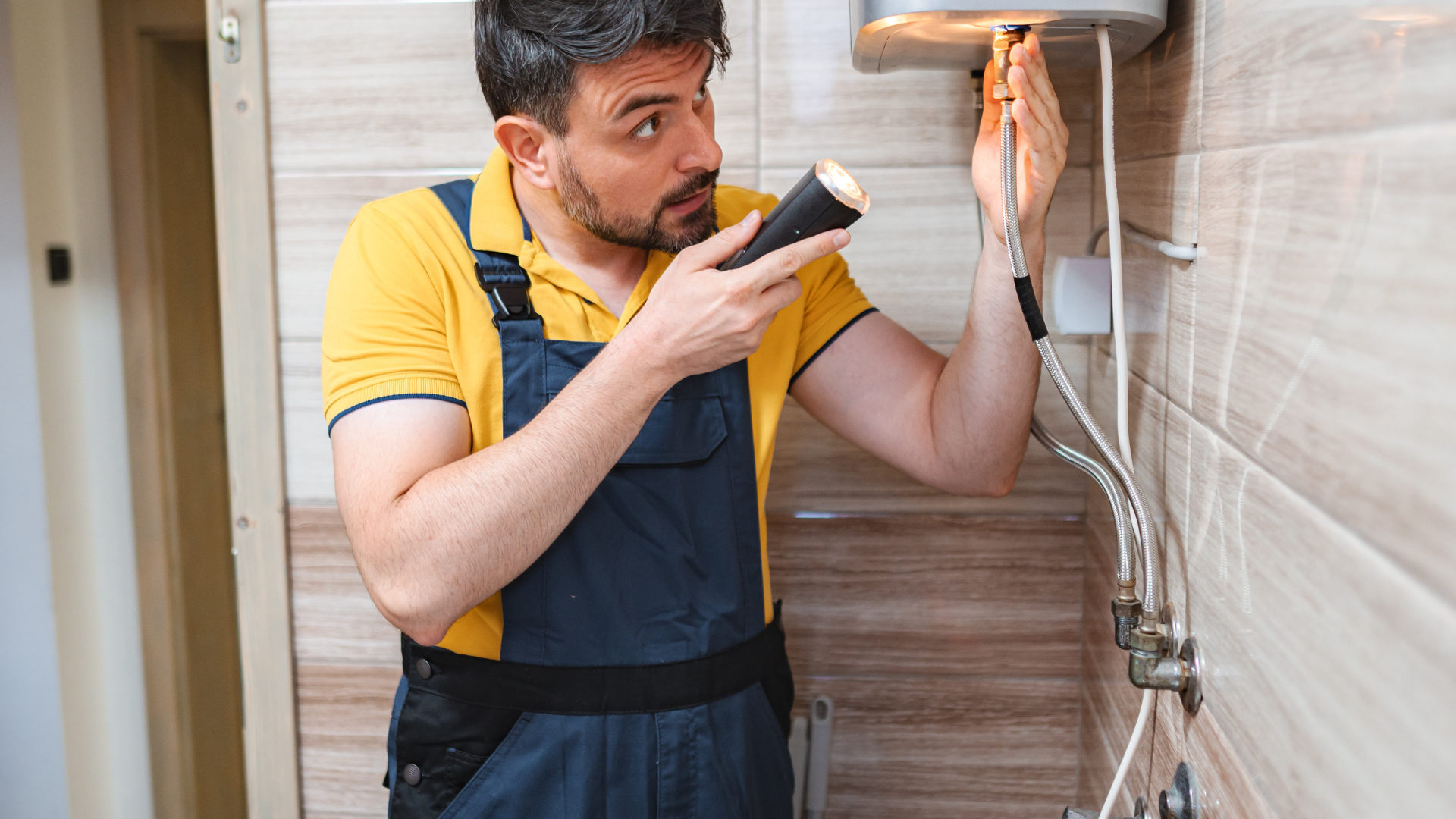
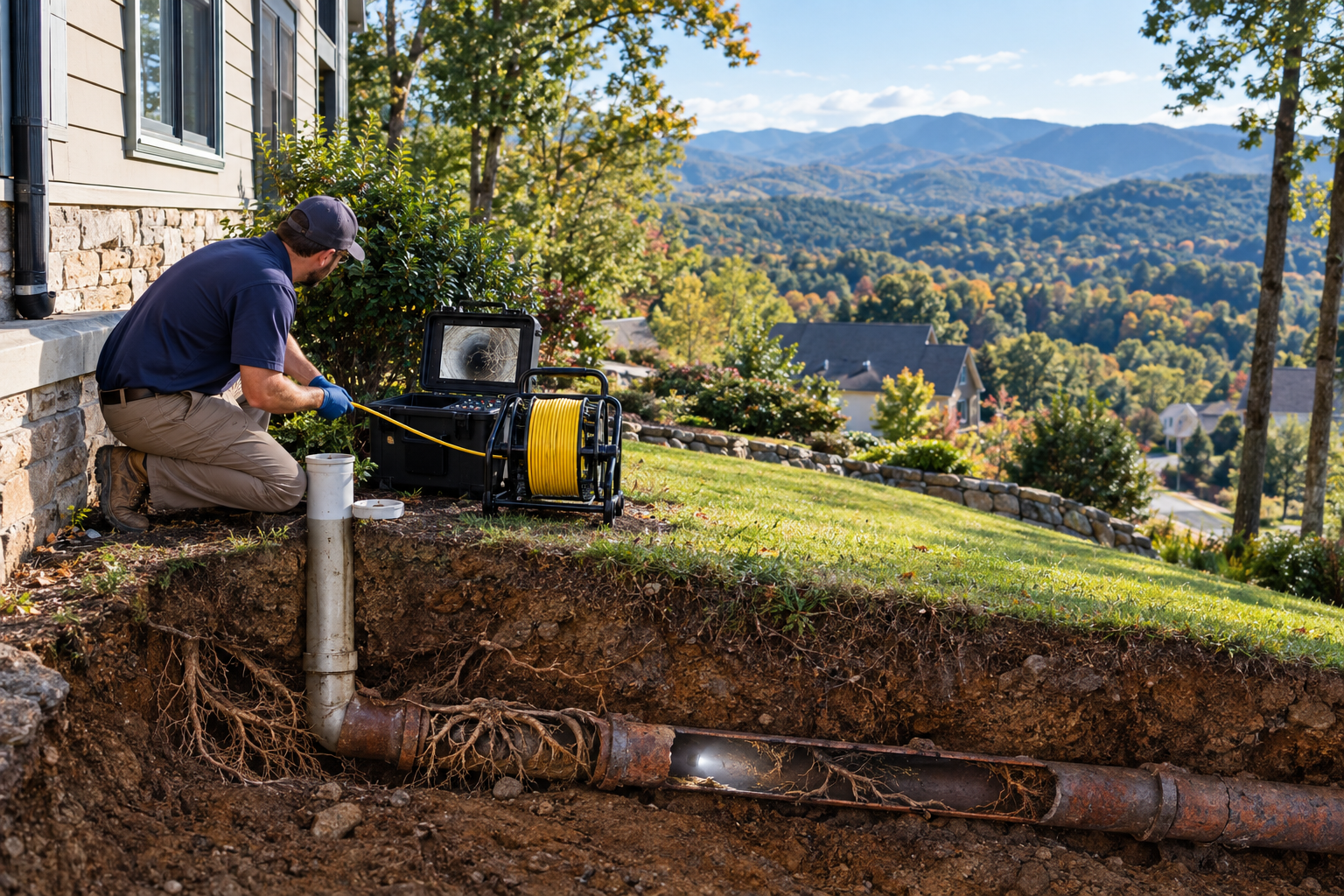
We start by examining common problem areas: bathrooms, kitchens, attics, basements, HVAC systems, crawlspaces, and exterior drainage points.
2. Moisture Mapping
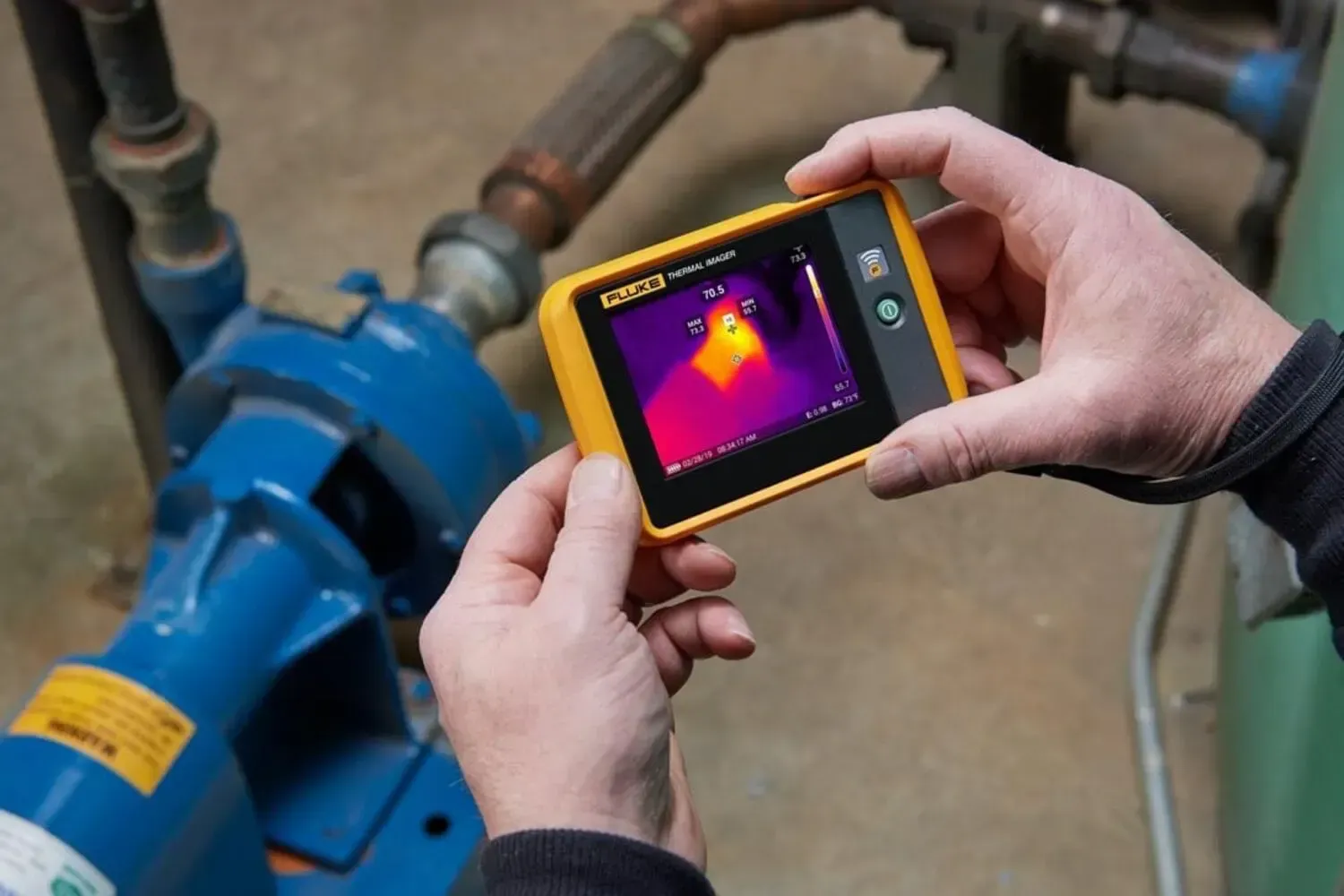
Using thermal imaging and moisture meters, we locate damp areas where mold is likely to thrive — even if the surface appears dry.
3. Air Sampling
We collect air samples from inside your home and compare them to outdoor air to determine if indoor mold spore levels are elevated.
4. Surface Sampling
If visible mold is present, we may swab or tape-lift samples from surfaces for lab analysis.
5. Lab Testing
Samples are sent to a certified microbiology lab, where results typically return within 24–72 hours, identifying mold types and concentrations.
6. Detailed Reporting
You’ll receive a clear, actionable report showing:
- Areas of concern
- Moisture sources
- Mold species detected (if applicable)
- Recommendations for remediation or repair
This report is crucial if you’re working with a remediation company or need documentation for a real estate transaction.
Health Risks of Mold Exposure
Some people are more sensitive than others to mold, but prolonged exposure can impact anyone, especially children, elderly adults, and those with asthma or compromised immune systems.
Health effects can include:
- Chronic coughing and sneezing
- Sinus congestion or frequent infections
- Breathing difficulties
- Skin irritation or rashes
- Memory issues or fatigue in extreme cases
Certain mold species, such as Stachybotrys chartarum (black mold), can release mycotoxins — toxic compounds linked to more serious symptoms.
If anyone in your household is experiencing unexplained health issues, especially indoors, it’s wise to rule out mold as a contributing factor.
Mold in Real Estate Transactions: Why Testing Matters
If you’re buying or selling a home in Brevard or surrounding areas, a mold inspection can be a deal-maker or deal-breaker.
Buyers:
- Protect your investment by uncovering hidden moisture or mold problems.
- Use findings to negotiate remediation or price reductions.
Sellers:
- Get ahead of potential red flags.
- Provide confidence to buyers with documentation of a clean bill of health — or show that remediation has been completed.
Agents:
- Offering a mold inspection builds trust and transparency.
- Helps avoid delays or surprises during inspections and appraisals.
What to Do If Your Home Tests Positive for Mold
First — don’t panic. Mold is manageable when handled quickly and professionally.
Remediation typically involves:
- Identifying and stopping the source of moisture
- Removing contaminated materials (drywall, carpet, insulation)
- Cleaning surfaces with antimicrobial treatments
- Using air scrubbers or dehumidifiers
- Verifying clearance with post-remediation testing
We work with local certified mold remediation specialists in Western NC and can recommend trusted providers.
Once remediation is complete, we can return for clearance testing to ensure your home is safe and mold-free.
Frequently Asked Questions
Can I test for mold myself?
DIY test kits are available but often unreliable. Professional inspections provide lab-certified results, accurate moisture detection, and legal documentation.
Does homeowners insurance cover mold?
Sometimes — if the mold is caused by a covered peril (like a sudden pipe burst). However, gradual leaks or neglect are typically not covered. Check your policy.
Is mold dangerous to live with?
Yes — especially for sensitive individuals. Even non-toxic molds can cause respiratory issues or damage surfaces over time.
How much does a mold inspection cost?
Costs vary by home size and services, but most range from $250–$500 in Brevard. If lab testing is required, that adds to the cost — but is often worth the investment.
How long does a mold inspection take?
Most inspections take 1–2 hours, with lab results available in 2–3 business days.
Schedule a Mold Inspection in Brevard, NC Today
If you suspect mold or want peace of mind before buying or selling a home, don’t wait. Early detection is key to avoiding structural damage, health risks, and costly repairs.
Western North Carolina Property Inspections provides professional mold assessments throughout:
- Brevard
- Asheville
- Hendersonville
- Transylvania County
- And surrounding Western NC communities
We combine moisture detection, thermal imaging, air sampling, and lab analysis to give you a full picture of what’s really going on behind the walls.