If you live in Western North Carolina — especially in areas like Asheville, Hendersonville, or Brevard — radon testing is one of the most important, yet overlooked, steps you can take to protect your home and your health.
Radon is a naturally occurring radioactive gas that is colorless, odorless, and tasteless. You can’t see it, smell it, or detect it without specialized equipment. And yet, it’s the second leading cause of lung cancer in the United States, responsible for more than 20,000 deaths each year, according to the
EPA.
Many homes in Western NC are located in areas with elevated radon levels due to the geology of the Appalachian region. Whether you're buying a home, selling a property, or simply living in one, radon testing is not optional — it’s essential.
This comprehensive guide will explain:
- What radon is and how it enters your home
- Why Western North Carolina homes are especially at risk
- How radon testing works
- What your results mean
- What to do if your home has elevated levels
What Is Radon and Why Is It Dangerous?
Radon is a radioactive gas that forms naturally when uranium in soil, rock, and water breaks down. As radon decays, it releases radioactive particles that can damage the cells lining your lungs. Prolonged exposure can lead to lung cancer — even in non-smokers.
The EPA categorizes radon as a Class A carcinogen, which means it’s proven to cause cancer in humans. In fact:
- One in 15 homes in the U.S. has an elevated radon level.
- Radon is responsible for more deaths annually than drunk driving.
- There is no “safe” level of radon exposure — but action is recommended at or above 4.0 pCi/L (picocuries per liter).
Why Western North Carolina Has High Radon Levels
Radon levels vary by region, and Western North Carolina is in a Zone 1 region, meaning it has the highest potential for elevated radon concentrations, per the EPA’s radon zone map.
Several factors contribute to this:
- The granite and shale formations common in the Appalachian Mountains naturally emit higher levels of radon.
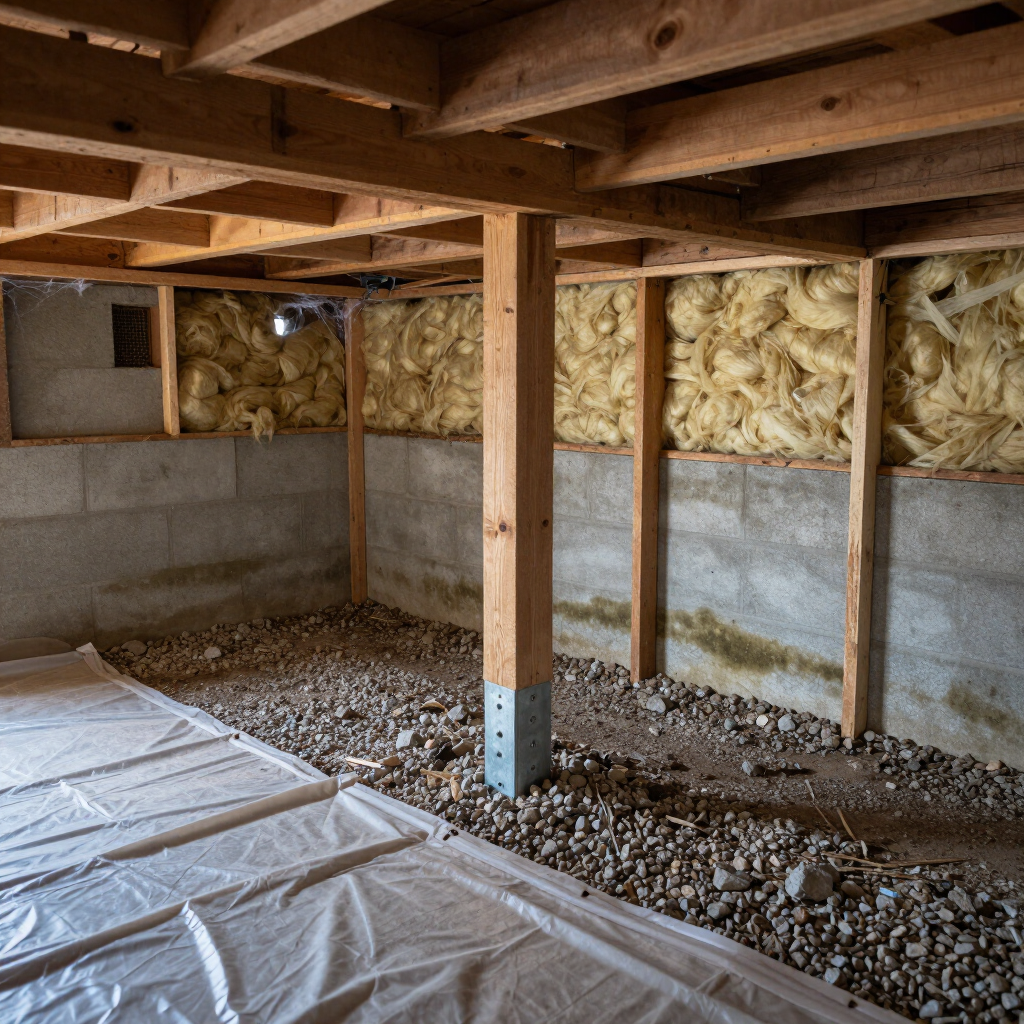
- Many homes in Asheville, Hendersonville, and Brevard are built on basements or crawlspaces, which provide direct access points for radon to enter.
- Poor ventilation in older or energy-efficient homes can trap radon inside.
- Newer homes with tight construction can actually increase radon accumulation due to reduced airflow.
Because of this geological makeup and building styles, testing is strongly recommended for every home in Western NC, regardless of age or location.
How Radon Enters Your Home
Radon moves up from the ground through cracks and holes in the foundation. It can seep in through:
- Cracks in concrete slabs or basement floors
- Gaps around pipes or sump pumps
- Construction joints
- Crawlspaces with exposed soil
- Well water (though this is less common)
Once inside, radon can accumulate to dangerous levels — especially in areas with poor ventilation like basements and crawlspaces.
Who Should Get a Radon Test?
Homeowners
Even if you’ve lived in your home for years, you may have never tested for radon. Levels can fluctuate due to soil moisture, ventilation changes, HVAC systems, and structural shifts.
Home Buyers
Radon testing should be part of every pre-purchase inspection. It’s a negotiable item in most North Carolina real estate contracts, and buyers can request mitigation or credit if high levels are found.
Home Sellers
Providing a recent radon test can build trust and avoid last-minute surprises during escrow. If levels are high, it's better to address it proactively.
Real Estate Agents
As a fiduciary, you have a duty to inform clients of potential health hazards. Recommending radon testing is a smart and ethical move.
How Radon Testing Works
At Western North Carolina Property Inspections, we offer professional radon testing using EPA-approved continuous radon monitoring (CRM) devices. Here's what you can expect:
Step 1: Placement of Monitor
A digital radon monitor is placed in the lowest livable area of the home (typically a basement or first floor) and left for 48–96 hours.
Step 2: Closed-Home Conditions
The property must remain under “closed” conditions:
- Windows and exterior doors kept shut (except for entry/exit)
- HVAC systems can run normally
- No fans or ventilation that draws air from outside
Step 3: Data Collection and Reporting
The device records hourly readings, temperature, and humidity to ensure accuracy. You’ll receive a full report within 1–2 days showing the average radon level and any spikes.
What Do the Test Results Mean?