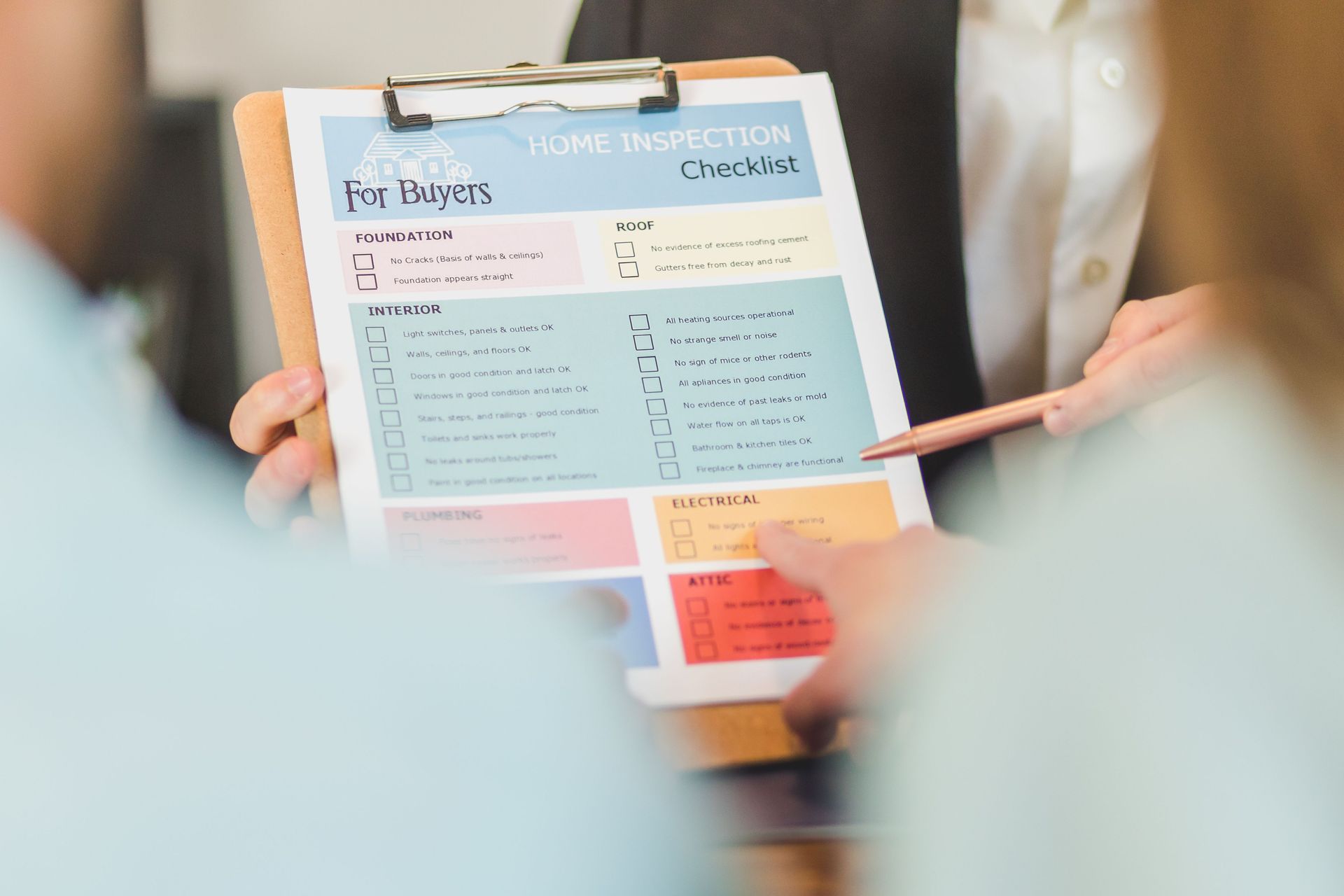
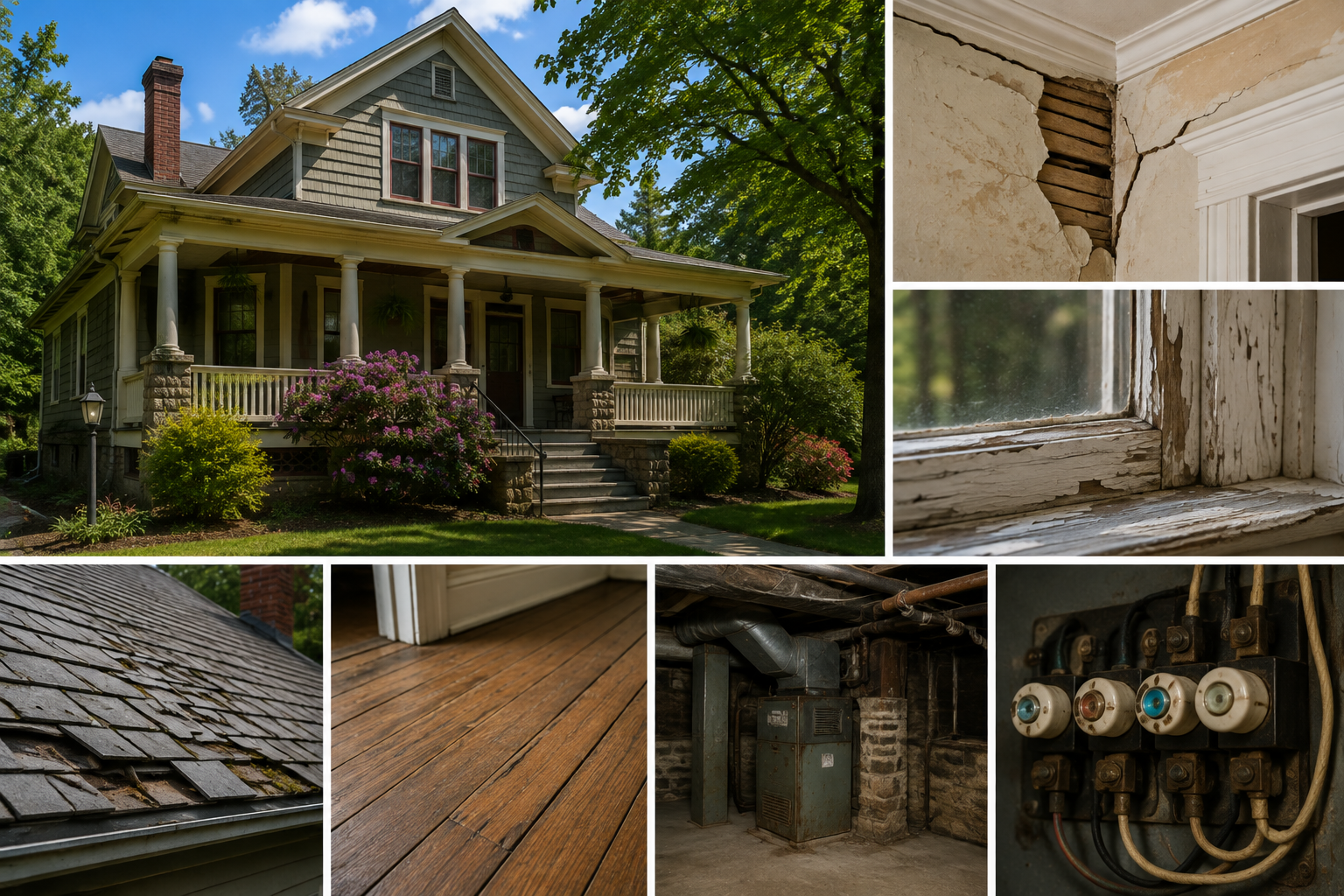
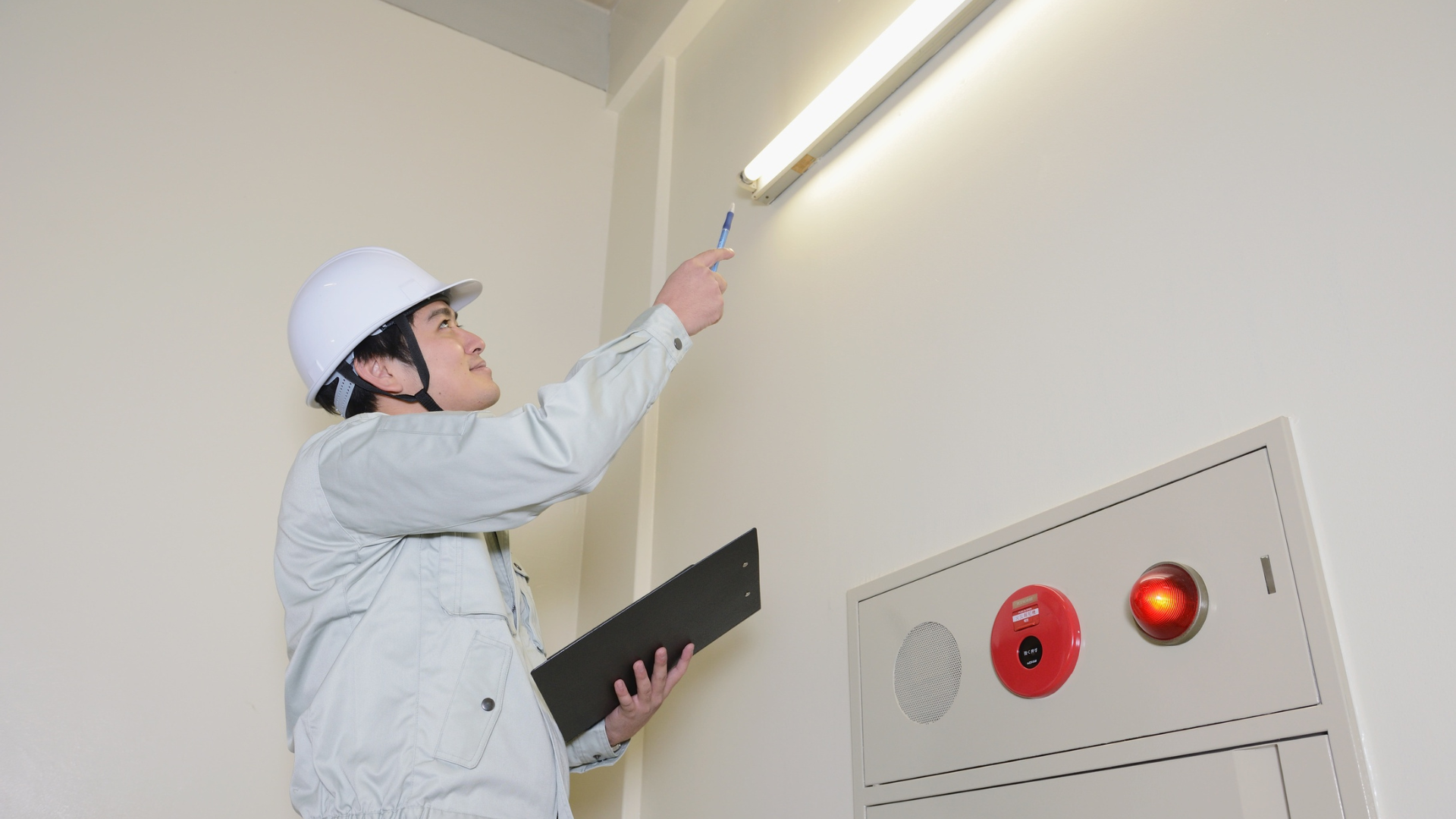
Buying a home is one of the biggest financial decisions most people will ever make. That’s why the home inspection process is so important—it gives buyers an opportunity to uncover hidden issues before finalizing the purchase.
While minor maintenance items are common in almost every inspection report, some findings are much more serious. These “red flags” can indicate expensive repairs, safety hazards, structural problems, or long-term maintenance concerns.
At Western North Carolina Property Inspections, we inspect homes throughout Asheville, Hendersonville, Brevard, and surrounding communities. We’ve seen firsthand how major inspection issues can impact negotiations, financing, insurance, and even a buyer’s decision to move forward with a purchase.
In this guide, we’ll cover:
- The top home inspection red flags buyers should never ignore
- Why these issues matter
- Which problems are repairable vs. deal-breakers
- What buyers should do if major concerns are found
- Common problems specific to Western North Carolina homes
Not Every Inspection Issue Is a Deal Breaker
Before we dive in, it’s important to understand something:
No home is perfect.
Even newer homes can have inspection findings. A good inspection report is not about “passing” or “failing”—it’s about helping buyers understand the true condition of the property.
That said, certain issues deserve closer attention because they can:
- Cost thousands to repair
- Create safety concerns
- Lead to financing complications
- Cause insurance issues
- Indicate deeper hidden problems
These are the red flags buyers should never overlook.
1. Structural Foundation Problems
Why It Matters
Foundation problems can affect the entire structure of the home. Serious movement or settling may indicate:
- Soil instability
- Drainage problems
- Structural failure
- Long-term water intrusion
In Western NC, shifting soils and mountain terrain can contribute to settlement issues over time.
Common Warning Signs
- Large foundation cracks
- Uneven or sloping floors
- Doors and windows sticking
- Cracks above door frames
- Bowing basement walls
- Separation around trim or ceilings
What Buyers Should Do
Not all cracks are serious, but structural concerns should always be evaluated further.
If major movement is suspected:
- Request evaluation by a structural engineer
- Obtain repair estimates
- Discuss negotiation options with your agent
Foundation repairs can range from minor fixes to major stabilization projects costing tens of thousands of dollars.
2. Significant Roof Damage
Why It Matters
Roof replacement is one of the most expensive home maintenance items.
A failing roof can lead to:
- Water intrusion
- Mold growth
- Rotting wood
- Insulation damage
- Interior ceiling damage
Common Roof Red Flags
- Missing or curling shingles
- Sagging rooflines
- Active leaks
- Damaged flashing
- Excessive granule loss
- Signs of prior patchwork repairs
In Asheville and surrounding mountain areas, heavy rain and falling tree limbs can accelerate roof wear.
What Buyers Should Do
Ask:
- How old is the roof?
- Has it been repaired before?
- Is replacement imminent?
A roof nearing end-of-life may not be a deal-breaker, but buyers should budget accordingly or negotiate credits.
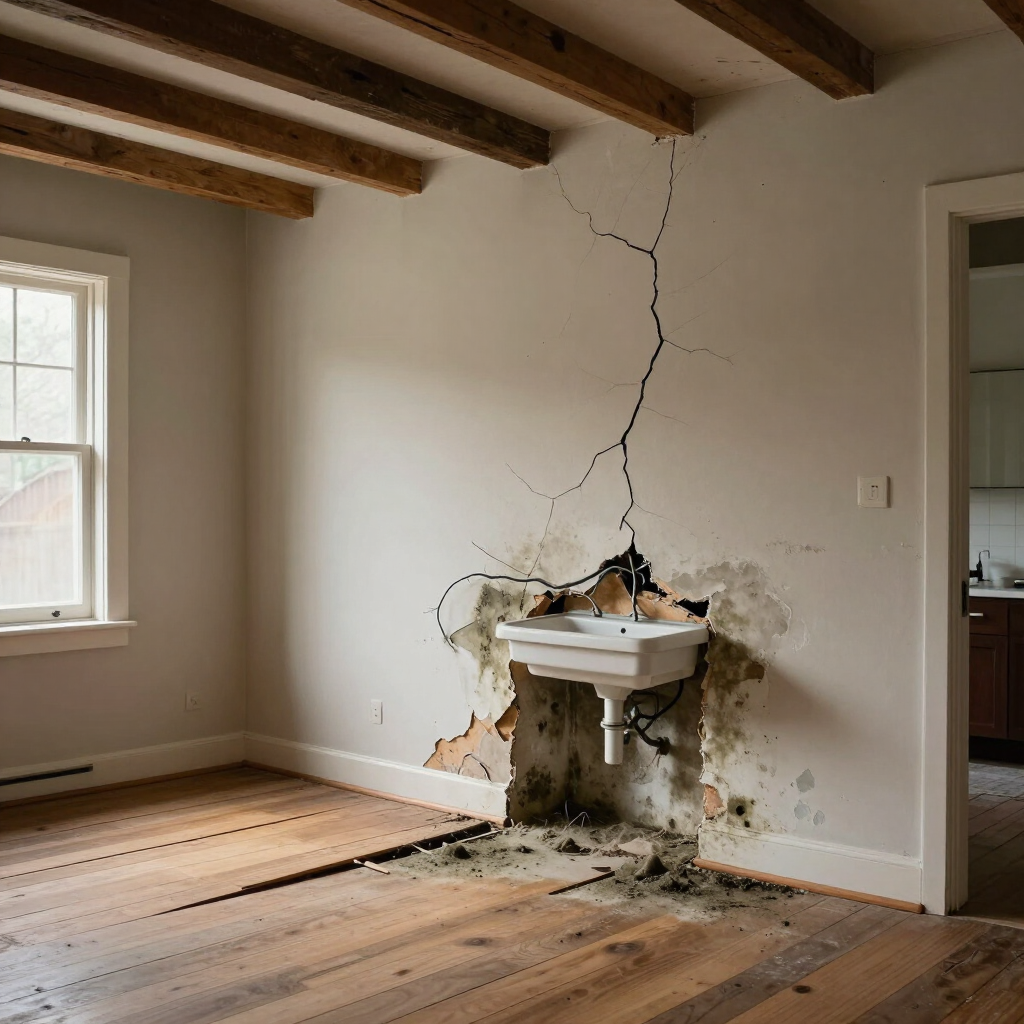
3. Moisture & Mold Problems
Why It Matters
Moisture is one of the most common and destructive issues we find in Western North Carolina homes.
Unchecked moisture can lead to:
- Mold growth
- Wood rot
- Structural damage
- Indoor air quality issues
- Pest infestations
Common Moisture Red Flags
- Musty odors
- Standing water in crawlspaces
- Water stains on ceilings
- Condensation issues
- Mold-like growth
- High moisture meter readings
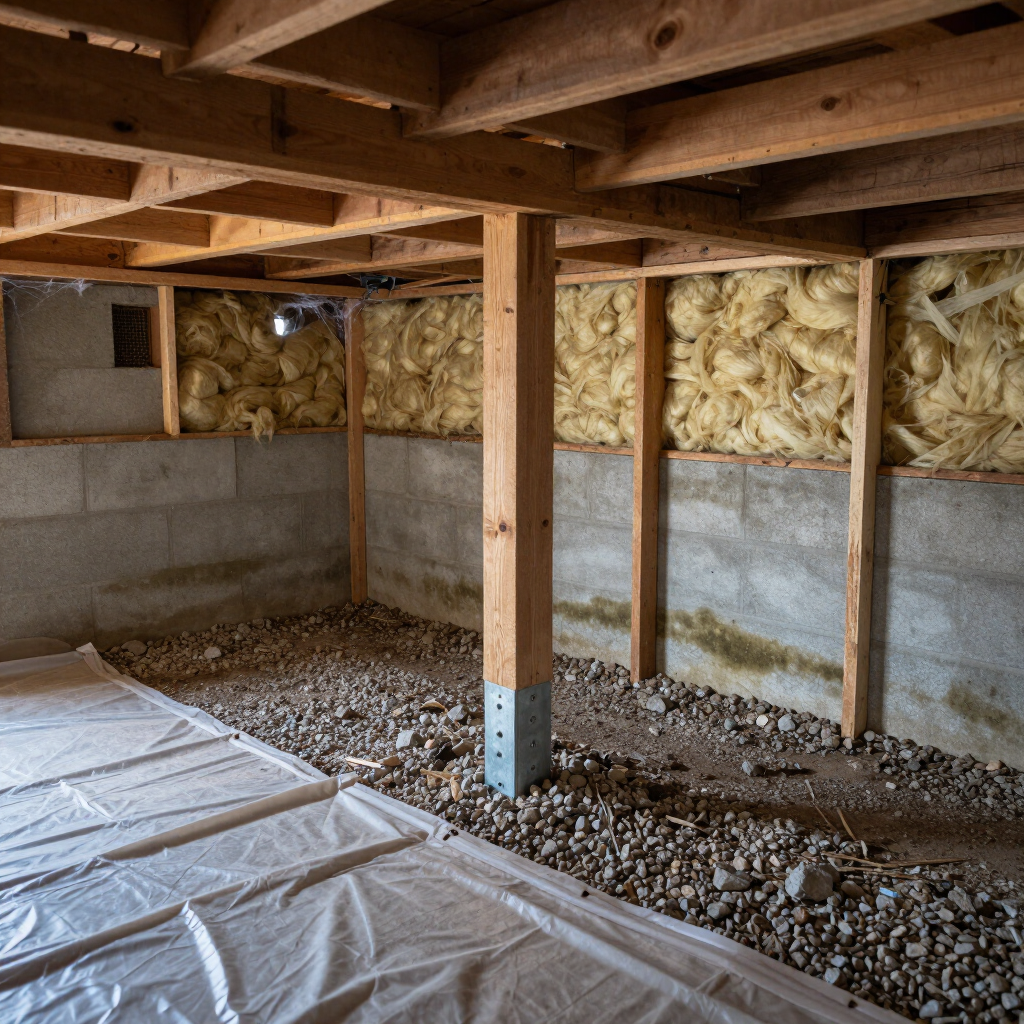
Homes with crawlspaces and basements are especially vulnerable.
What Buyers Should Do
Further evaluation may be needed through:
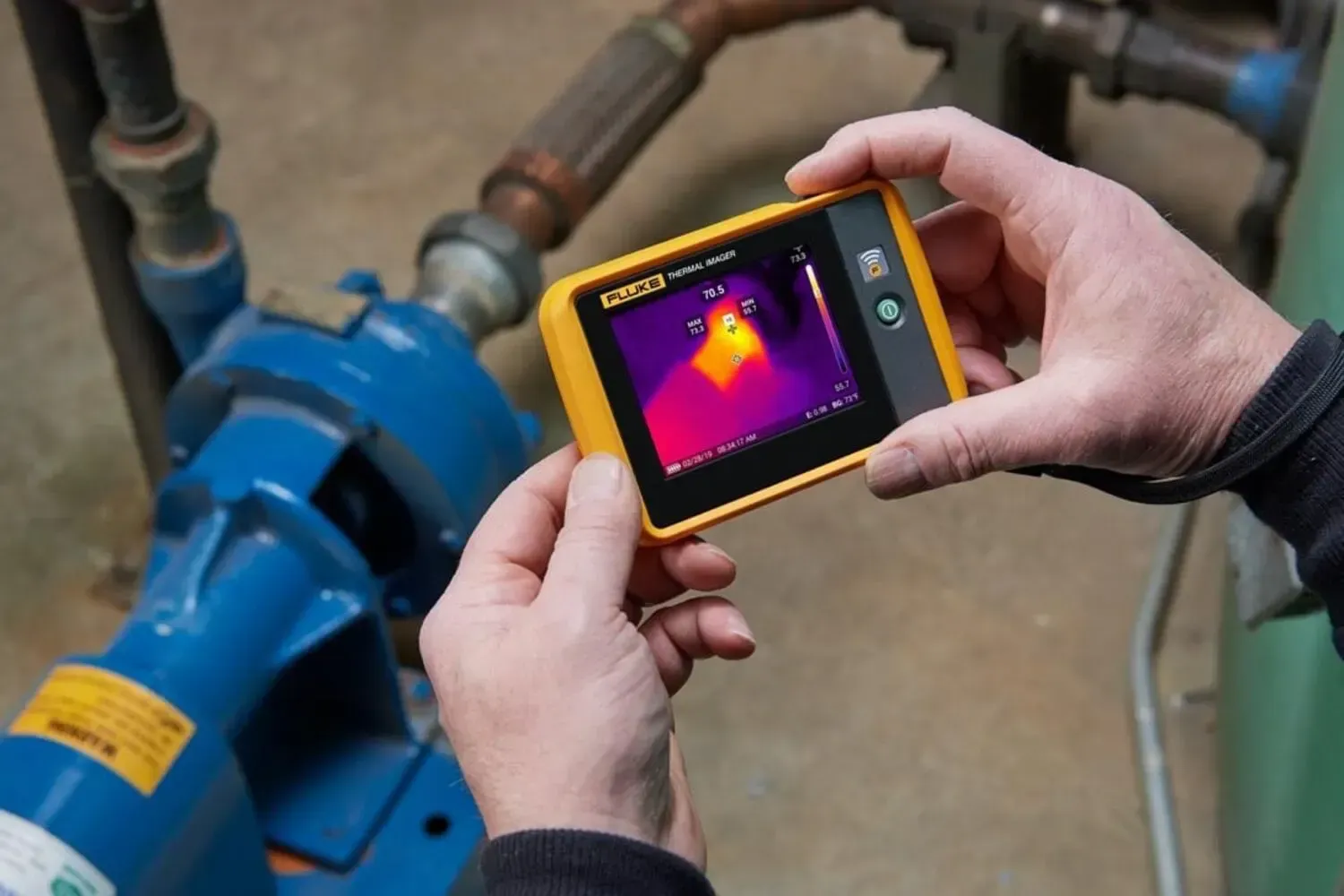
- Moisture mapping
- Thermal imaging
- Mold testing
[Mold Assessment – https://www.westernnorthcarolinapropertyinspectionsllc.com/mold-assessment]
4. Electrical Safety Hazards
Why It Matters
Electrical problems can create serious fire risks.
Many older homes still contain outdated systems or unsafe modifications.
Major Electrical Red Flags
- Federal Pacific or Zinsco panels
- Double-tapped breakers
- Ungrounded outlets
- Exposed wiring
- Aluminum branch wiring
- Burn marks inside panels
- Missing GFCI protection
What Buyers Should Do
Electrical concerns should always be reviewed by a licensed electrician.
Some lenders and insurance companies may even require panel replacement before closing.
5. Sewer or Septic System Problems
Why It Matters
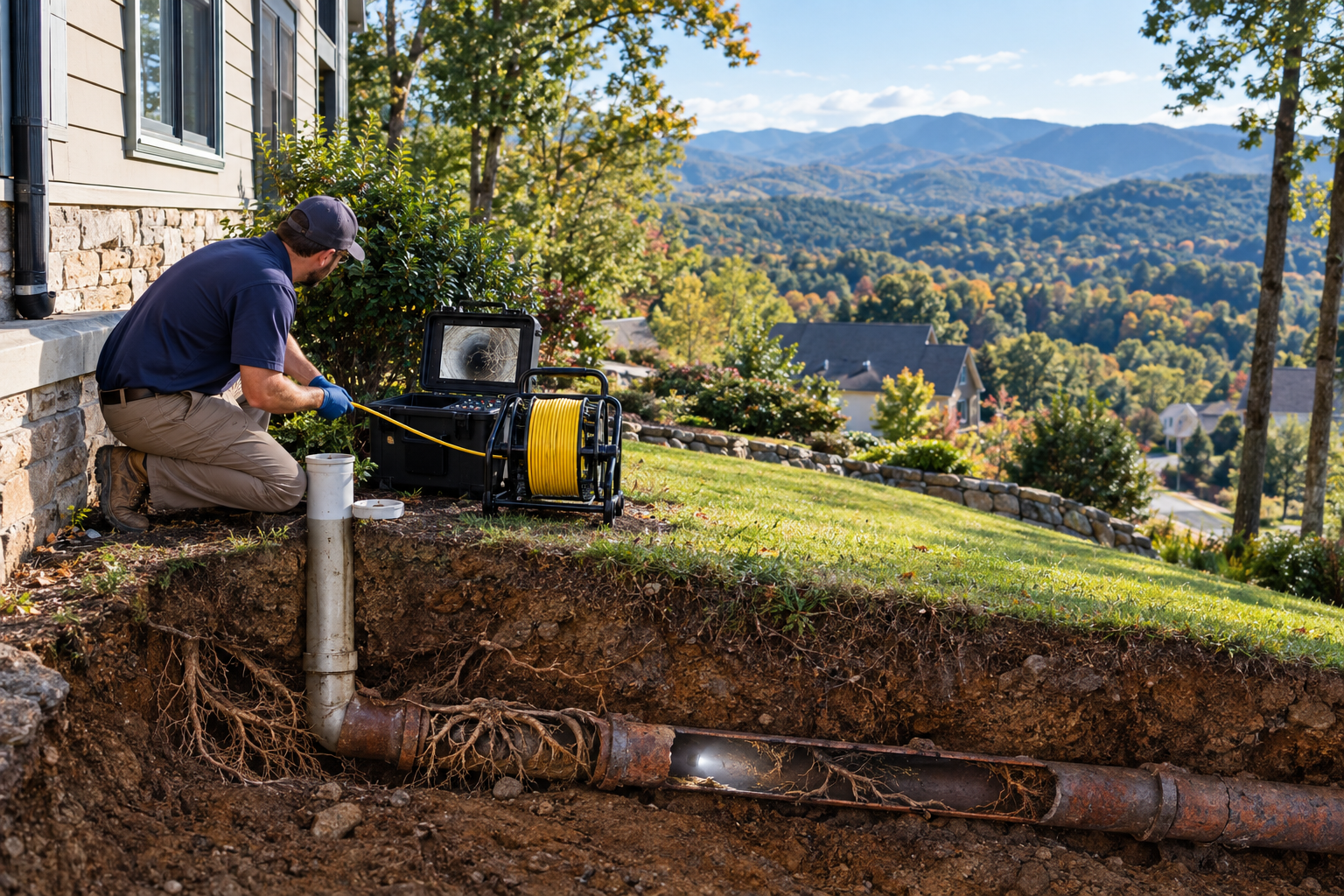
Underground plumbing issues can become extremely expensive.
Repairs may involve:
- Excavation
- Drain field replacement
- Sewer line replacement
Costs often range from several thousand to tens of thousands of dollars.
Common Warning Signs
- Slow drains
- Sewage odors
- Wet spots in yard
- Frequent backups
- Tree root intrusion
- Pipe collapse
What Buyers Should Do
Homes with older plumbing or mature trees should strongly consider:
- Sewer scope inspections
- Septic inspections
[Sewer Scope Inspection – https://www.westernnorthcarolinapropertyinspectionsllc.com/sewer-scope]
[Septic Inspection – https://www.westernnorthcarolinapropertyinspectionsllc.com/septic-inspection]
6. HVAC Systems Near Failure
Why It Matters
Heating and cooling systems are expensive to replace.
An aging HVAC system may still function during the inspection—but be close to failure.
Common HVAC Red Flags
- Units over 15–20 years old
- Poor airflow
- Rust or corrosion
- Dirty coils
- Loud operation
- Improper installation
- Deferred maintenance
What Buyers Should Do
Ask for:
- Maintenance records
- Service history
- Estimated remaining lifespan
Even if replacement isn’t immediate, buyers should factor future costs into their budget.
7. Radon Exposure
Why It Matters
Western North Carolina is considered a high-radon region due to mountain geology.
Radon is:
- Invisible
- Odorless
- Radioactive
- Linked to lung cancer
Many homes in Asheville, Hendersonville, and Brevard test above EPA action levels.
Why Buyers Miss This
Radon cannot be detected without testing.
Even newer homes may have elevated levels.
What Buyers Should Do
Schedule professional radon testing during due diligence.
[Radon Testing – https://www.westernnorthcarolinapropertyinspectionsllc.com/radon-testing]
Mitigation systems are often highly effective and relatively affordable.
8. Major Drainage & Grading Problems
Why It Matters
Improper grading causes water to flow toward the home instead of away from it.
This can lead to:
- Foundation damage
- Crawlspace flooding
- Basement leaks
- Erosion
- Mold problems
Common Warning Signs
- Pooling water near foundation
- Erosion channels
- Wet crawlspaces
- Downspouts draining near home
- Soil sloping toward structure
Mountain properties in Western NC are especially vulnerable due to elevation changes and heavy rainfall.
What Buyers Should Do
Drainage improvements may include:
- Regrading
- French drains
- Gutter extensions
- Waterproofing systems
While repairable, these issues should not be ignored.
Are These Issues Always Deal Breakers?
Not necessarily.
Many red flags can be:
- Repaired
- Negotiated
- Budgeted for
The key is understanding:
- Severity
- Repair cost
- Safety concerns
- Long-term implications
An experienced inspector helps buyers make informed decisions—not emotional ones.
Why Local Experience Matters
Western North Carolina homes face unique environmental conditions:
- Moisture
- Mountain drainage
- Radon
- Older housing stock
- Crawlspace concerns
A local inspector understands these regional issues and knows what to look for.
At Western North Carolina Property Inspections, we provide:
- Detailed inspections
- Thermal imaging
- Radon testing
- Sewer scope inspections
- Septic evaluations
- Mold assessments
Frequently Asked Questions
Should I walk away if the inspection finds problems?
Not automatically. Most homes have issues. Focus on major structural, safety, or high-cost concerns.
Can sellers fix issues before closing?
Yes. Buyers may request repairs, credits, or price adjustments.
Are older homes always riskier?
Not necessarily. Well-maintained older homes can be excellent investments.
Is a new construction home guaranteed problem-free?
No. We regularly find defects in newly built homes.
Schedule Your Home Inspection in Western NC
A thorough home inspection gives buyers confidence and protects one of life’s biggest investments.
At Western North Carolina Property Inspections, we proudly serve:
- Asheville
- Hendersonville
- Brevard
- Arden
- Fletcher
- Weaverville
- Black Mountain
- And surrounding communities
We offer:
- Residential inspections
- Radon testing
- Thermal imaging
- Sewer scope inspections
- Mold assessments
- Septic inspections
Call (828) 989-9715 or schedule online at https://www.westernnorthcarolinapropertyinspectionsllc.com