Some contaminants (like lead and radon) have no taste or odor, which is why professional testing is essential.
Signs Your Well Water May Be Contaminated
Some water problems are immediately obvious, while others require testing to detect. Here are warning signs to watch for:
1. Strange Odors
- Rotten egg smell = possible sulfur or bacteria
- Musty or earthy odor = organic material or algae
2. Unusual Taste
- Metallic or bitter flavor may indicate heavy metals or mineral imbalance
3. Discoloration or Cloudiness
- Brown or red water = iron or rust
- White or chalky residue = hard water
- Cloudiness = suspended particles or bacteria
4. Plumbing Stains or Scale
- Green/blue stains = possible copper corrosion
- White scale buildup = hard water
5. Health Symptoms
- Upset stomach, diarrhea, or skin irritation after using tap water may be related to contamination
Even if your water looks and tastes fine, contaminants could still be present. Regular testing is the only way to be sure.
What’s Included in a Professional Water Sampling Test?
At Western North Carolina Property Inspections, our water testing service includes:
1. Certified Water Sample Collection
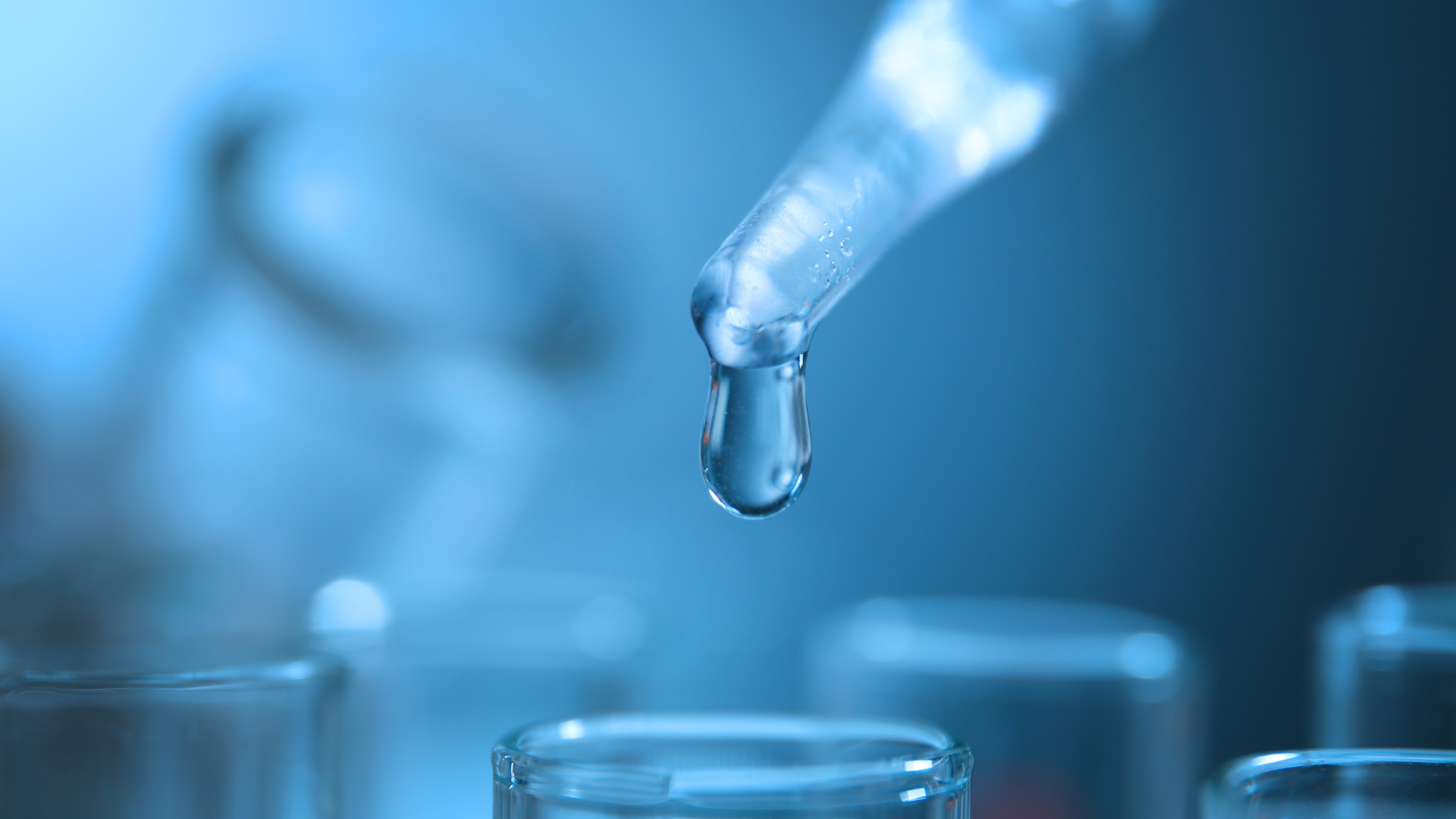
We collect water samples from designated points using EPA-approved procedures to ensure accurate lab analysis.
2. Transport to Certified Lab
Samples are delivered to a state-certified laboratory where tests are performed on:
- Total coliform and E. coli bacteria
- Nitrates and nitrites
- Lead and other heavy metals
- pH levels and mineral content
- Radon (optional)
3. Detailed Water Quality Report
You receive a full breakdown of results within 3–5 business days, including:
- Pass/fail indicators
- Contaminant levels and comparison to EPA limits
- Recommendations for treatment if needed
4. Follow-Up Consultation
If results show concerns, we’ll explain next steps and help connect you with qualified water treatment professionals in the area.
How Often Should You Test Well Water?
At minimum, test once a year for bacteria and nitrates — but more frequent testing is advised if:
- There’s a change in water taste, odor, or appearance
- You’ve had nearby septic or plumbing issues
- The home has been vacant or the well unused
- A pregnant person, infant, or immunocompromised individual lives in the home
Additional testing for metals, pesticides, or radon should be done every 3–5 years, or immediately if contamination is suspected.
What If Your Well Water Fails the Test?
If contamination is detected, don’t panic — most issues can be resolved with proper treatment.
Possible Solutions:
- Shock chlorination (for bacterial contamination)
- Water softeners (for hard water or iron)
- Reverse osmosis systems (for nitrates, lead, radon)
- UV disinfection
- Filtration systems tailored to specific contaminants
In some cases, well repair or reconstruction may be required to address structural contamination or sealing issues.
Important: If you're in the middle of a home sale, prompt remediation and retesting are often required before closing.
Frequently Asked Questions
Is water testing included in a regular home inspection?
No. Water sampling is an add-on service. Be sure to request it if the home has a private well.
Can I use a DIY test kit?
At-home kits offer limited accuracy and may not be accepted by lenders. Professional sampling with certified lab results is the standard for real estate and health purposes.
Does the EPA regulate private wells?
No. The EPA regulates public water systems. Private well owners are responsible for testing and maintenance.
Will water testing delay my closing?
Results typically return within 3–5 business days. We recommend testing early in the due diligence period to avoid delays.
Schedule Water Testing in Asheville, Hendersonville & Brevard
Whether you’re buying a home, selling one, or want to ensure your family's water is safe, professional water sampling is a must for well owners in Western North Carolina.