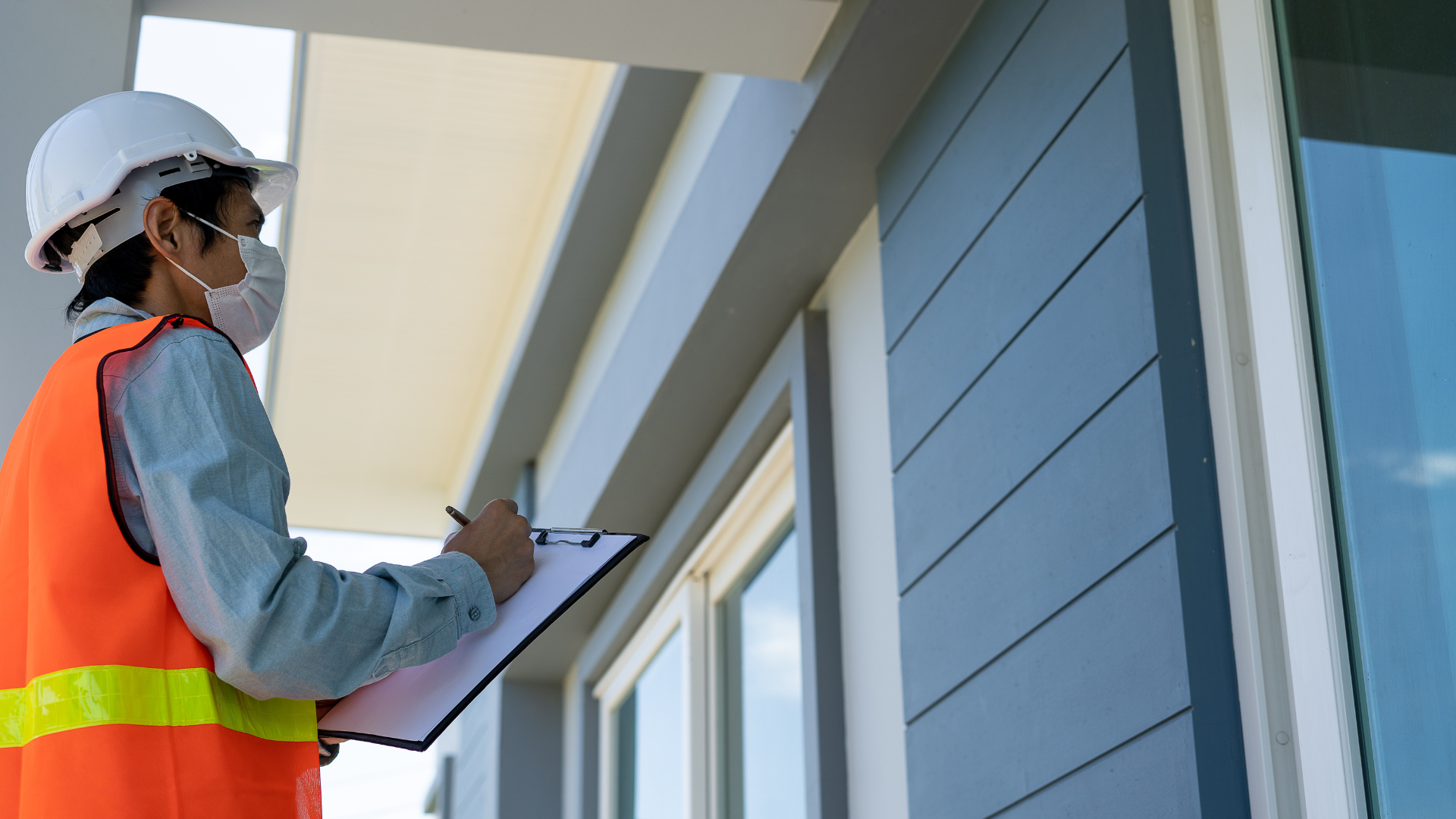
Many homeowners think home inspections are only necessary when buying or selling a property. But in reality, scheduling regular home inspections is one of the smartest ways to protect your investment, catch hidden issues early, and avoid expensive repairs down the road.
In North Carolina—especially in areas like Asheville, Hendersonville, and Brevard—homes face unique challenges from moisture, changing weather conditions, aging infrastructure, and mountain terrain. Even a well-maintained property can develop hidden issues over time.
At Western North Carolina Property Inspections, homeowners often ask us:
“How often should I schedule a home inspection if I already own the home?”
The short answer: it depends on the age of the home, environmental conditions, and whether you’re noticing warning signs. But for most homeowners, a professional inspection every few years is a wise investment.
In this guide, we’ll explain:
- How often you should schedule a home inspection
- When inspections are most important
- Common issues inspections can uncover
- Why preventative inspections save money
- What North Carolina homeowners should know about maintaining older homes
Are Home Inspections Only for Buyers?
Not at all.
While inspections are most commonly associated with real estate transactions, proactive inspections are becoming increasingly popular among homeowners who want to:
- Catch maintenance issues early
- Protect property value
- Prepare for renovations
- Monitor aging systems
- Reduce long-term repair costs
- Improve safety and efficiency
Think of a home inspection like an annual health checkup for your house. Small issues discovered early are almost always cheaper and easier to fix than major failures later.
General Rule: How Often Should You Schedule One?
For most North Carolina homeowners, a full home inspection every 3–5 years is recommended.
However, there are situations where inspections should happen more frequently.
When You Should Schedule a Home Inspection
1. Before Buying a Home
This is the most common reason for a home inspection—and the most important.
A buyer inspection helps uncover:
- Structural problems
- Roof issues
- Electrical hazards
- Plumbing leaks
- HVAC concerns
- Moisture intrusion
- Mold or radon risks
In Western NC, inspections often reveal issues related to:
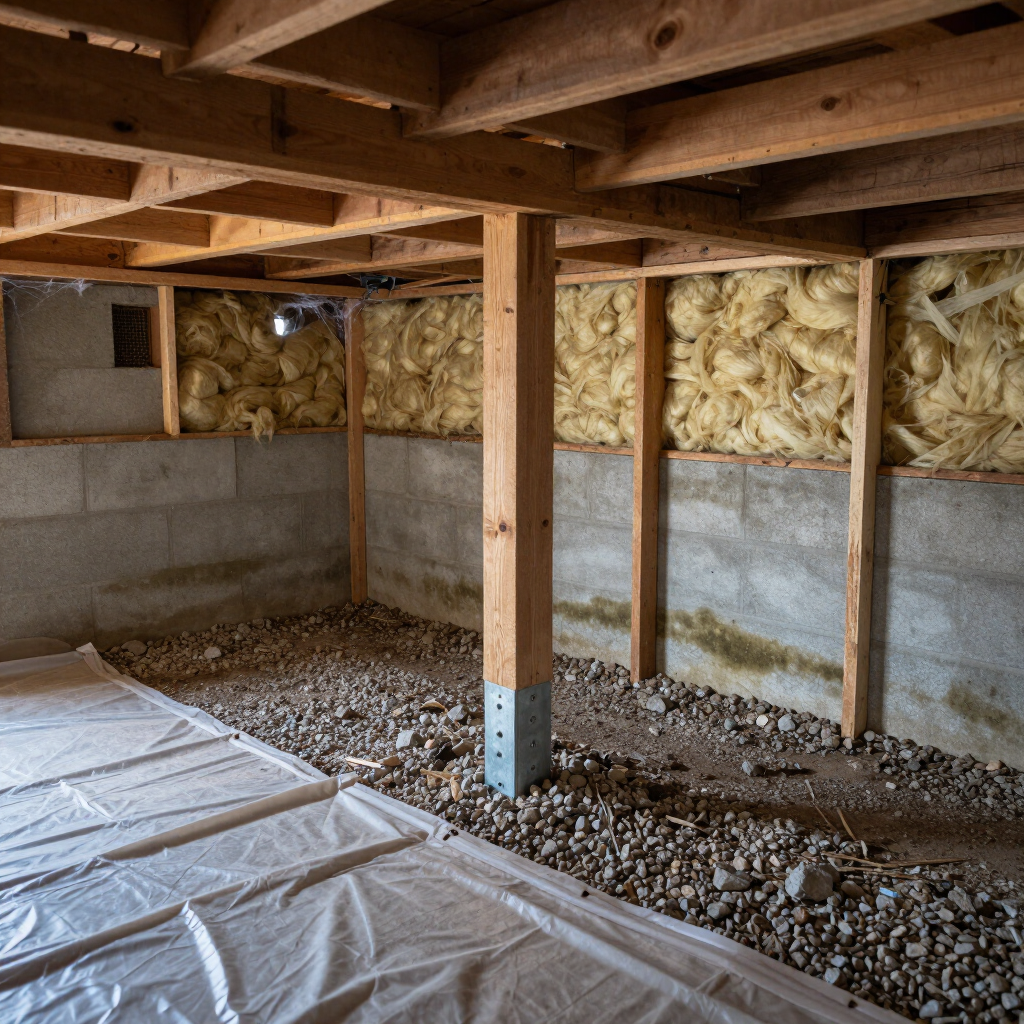
- Crawlspace moisture
- Septic systems
- Aging roofs
- Foundation movement
- Radon exposure
Skipping a buyer inspection can expose you to thousands in unexpected repairs.
2. Before Listing Your Home for Sale
A pre-listing inspection allows sellers to:
- Discover issues before buyers do
- Avoid delayed closings
- Reduce negotiation surprises
- Build buyer confidence
This is especially valuable in Asheville and surrounding markets where older homes are common.
Many sellers choose to fix issues upfront instead of scrambling during due diligence negotiations.
3. Every 3–5 Years for General Maintenance
Even if you’re not moving, periodic inspections help monitor:
- Roof condition
- Moisture problems
- HVAC wear
- Foundation settling
- Plumbing deterioration
- Exterior drainage
Homes in Western North Carolina experience heavy rainfall, humidity, and seasonal temperature swings that gradually affect materials and systems.
Routine inspections can help extend the life of your home.
4. After Severe Weather
North Carolina storms can cause hidden damage that homeowners don’t immediately notice.
Schedule an inspection after:
- High winds
- Hailstorms
- Heavy rainfall
- Flooding
- Snow or ice events
- Fallen trees or debris impacts
Storm damage often affects:
- Roofing
- Gutters
- Flashing
- Crawlspaces
- Foundations
- Exterior siding
An inspection helps identify damage before it worsens.
5. Before Major Renovations
Planning a remodel or addition? A home inspection can identify:
- Structural limitations
- Electrical capacity issues
- Plumbing concerns
- Existing moisture damage
- Ventilation deficiencies
This helps contractors plan properly and reduces the risk of unexpected construction costs.
6. If You Notice Warning Signs
Don’t wait for a small issue to become a major repair.
Schedule an inspection if you notice:
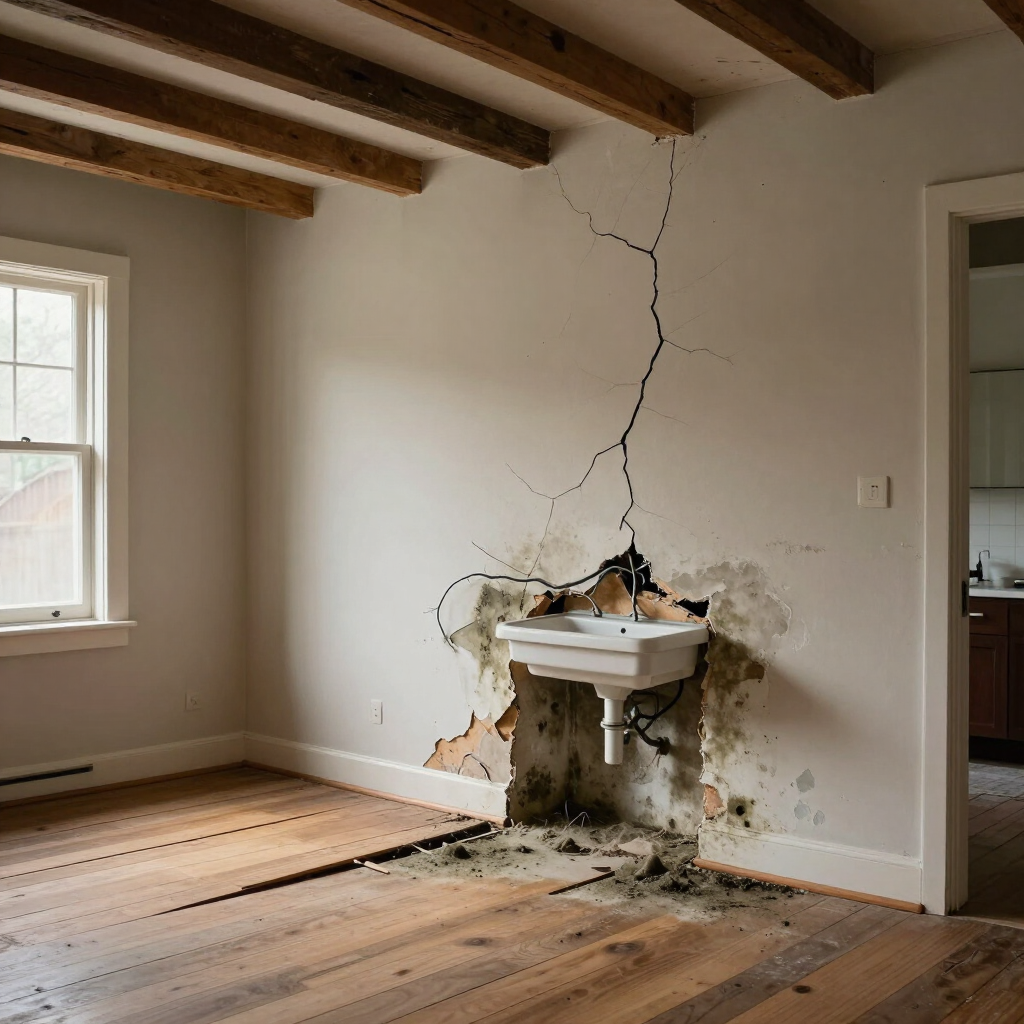
- Cracks in walls or ceilings
- Doors or windows sticking
- Musty odors
- Water stains
- Uneven floors
- Rising energy bills
- Frequent plumbing backups
- Condensation or excessive humidity
These symptoms often indicate hidden problems that require professional evaluation.
Homes in Western NC Require Special Attention
Western North Carolina homes face environmental conditions that make routine inspections especially important.
Moisture & Humidity
Mountain climates create high humidity levels, particularly in:
- Crawlspaces
- Basements
- Attics
Unchecked moisture can lead to:
- Mold growth
- Wood rot
- Insulation damage
- Pest activity
Older Housing Stock
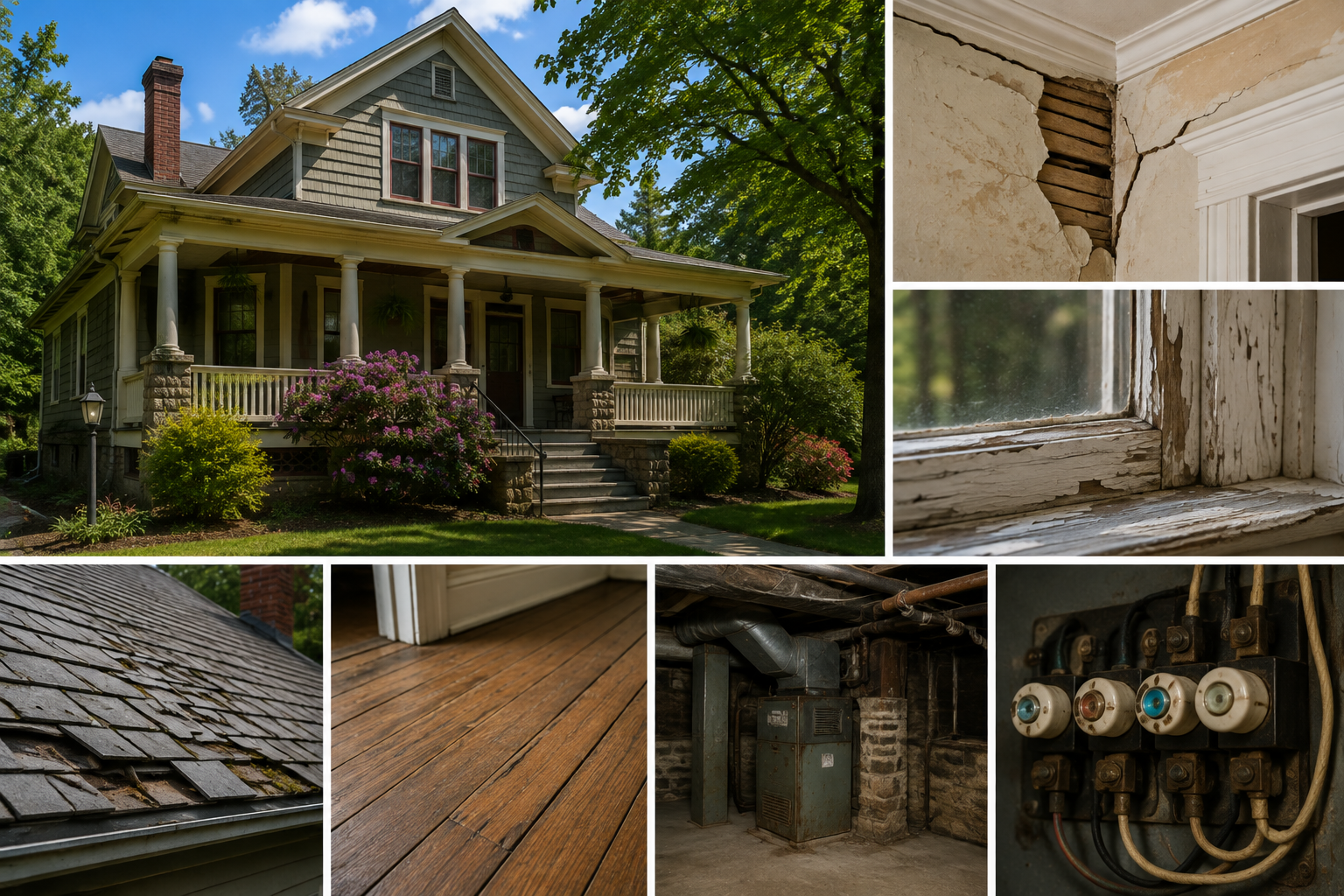
Many Asheville and Hendersonville homes were built decades ago and may contain:
- Outdated electrical panels
- Aging plumbing
- Poor insulation
- Foundation settlement
Radon Risk
Western NC is considered a high-radon region due to local geology.
We recommend regular [Radon Testing – https://www.westernnorthcarolinapropertyinspectionsllc.com/radon-testing], especially after renovations or HVAC changes.
What Does a Maintenance Inspection Include?
A maintenance-focused home inspection is similar to a buyer inspection and typically covers:
Exterior
- Roof
- Gutters
- Siding
- Decks
- Drainage
Structural Components
- Foundation
- Crawlspace
- Framing
- Attic structure
Major Systems
- HVAC
- Electrical
- Plumbing
- Water heater
Interior
- Windows and doors
- Walls and ceilings
- Flooring
- Ventilation
Safety Features
- Smoke detectors
- GFCI outlets
- Handrails
- Carbon monoxide alarms
Optional services may include:
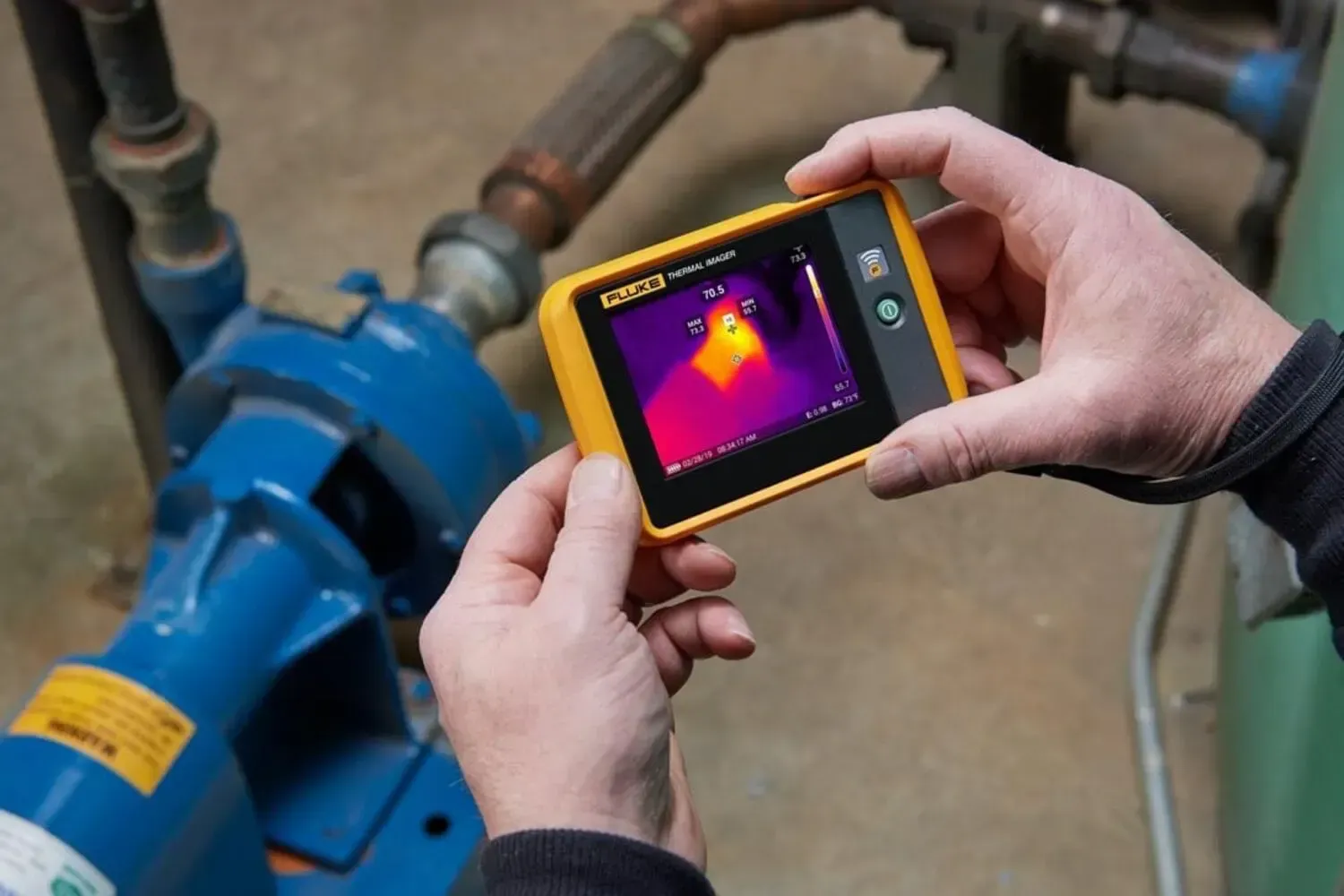
- Thermal imaging
- Mold assessments
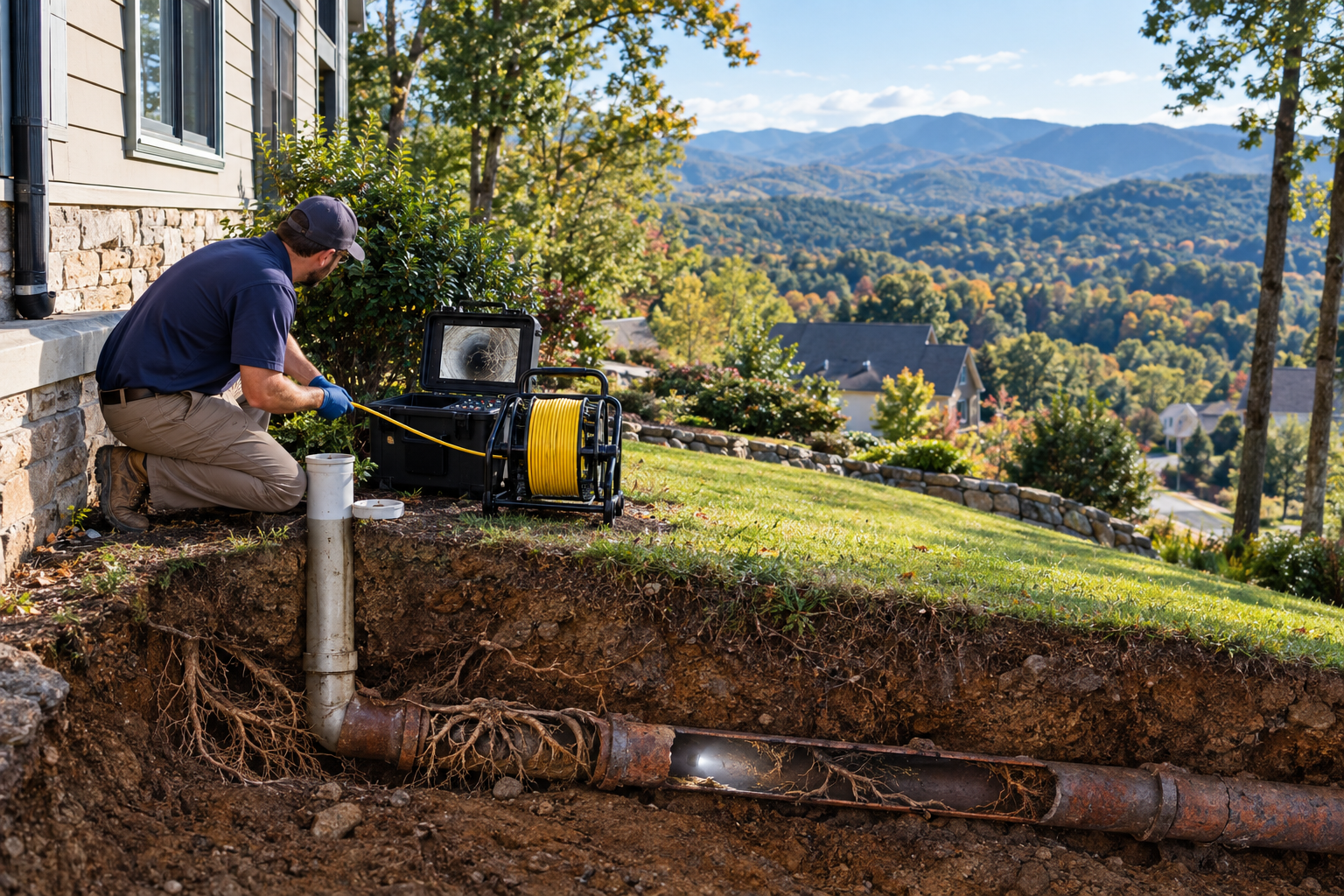
- Sewer scope inspections
- Water sampling
- Septic inspections
Why Preventative Inspections Save Money
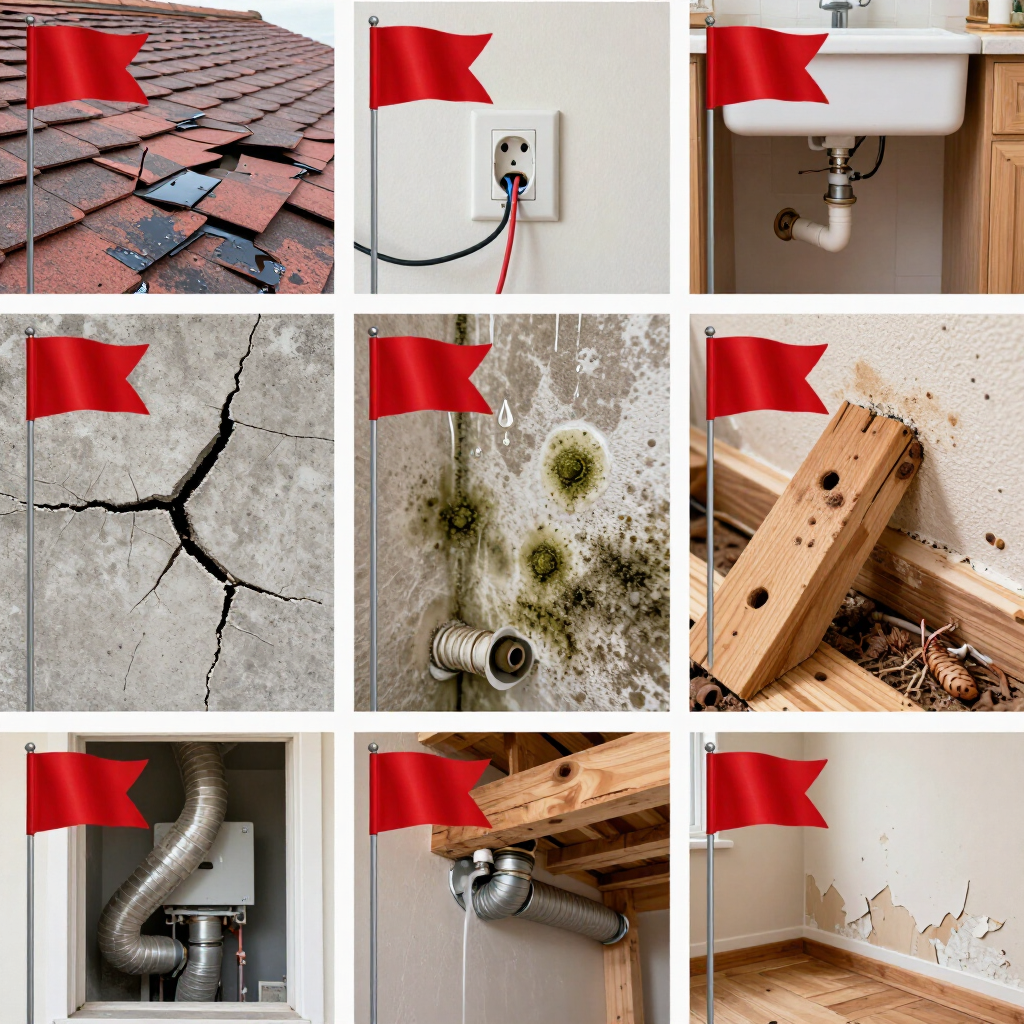
Many expensive home repairs begin as small, unnoticed issues.
For example:
- A tiny roof leak becomes structural rot
- Minor crawlspace moisture becomes mold damage
- A slow plumbing leak ruins flooring and cabinetry
- An overloaded electrical panel becomes a fire hazard
Routine inspections help homeowners:
- Plan repairs proactively
- Avoid emergency situations
- Budget for future maintenance
- Protect resale value
In many cases, spending a few hundred dollars on an inspection can prevent thousands in future repairs.
How Much Does a Home Inspection Cost in NC?
Most standard home inspections in North Carolina range from:
- $400–$700 depending on home size and age
Additional services like:
- Radon testing
- Mold sampling
- Thermal imaging
- Sewer scopes
- Septic inspections
…may cost extra but provide valuable insight into hidden issues.
Frequently Asked Questions
Is a newer home less likely to need inspections?
No. Even newer homes can have:
- Builder defects
- Drainage issues
- Improper installations
- Ventilation problems
We frequently inspect homes under 5 years old with significant concerns.
Should I inspect my vacation or rental property?
Absolutely. Rental and second homes often go long periods without close monitoring, increasing the risk of unnoticed damage.
Can home inspections lower insurance claims?
They can help prevent claims by identifying hazards before major damage occurs.
How long does a typical inspection take?
Most inspections take between 2–4 hours depending on property size and complexity.
Schedule Your Home Inspection in Western NC
Whether you’re buying, selling, maintaining, or simply protecting your investment, routine home inspections are one of the smartest decisions a homeowner can make.
At Western North Carolina Property Inspections, we provide detailed inspections throughout:
- Asheville
- Hendersonville
- Brevard
- Fletcher
- Arden
- Weaverville
- And surrounding communities
Our services include:
- Residential inspections
- Thermal imaging
- Radon testing
- Mold assessments
- Water sampling
- Septic inspections
- Sewer scope inspections
Call (828) 989-9715 or schedule online at https://www.westernnorthcarolinapropertyinspectionsllc.com