If you're buying a home in North Carolina with a private septic system, there’s one inspection you absolutely should not skip — the septic inspection.
A failing septic system can cost $5,000 to $15,000 (or more) to repair or replace. Yet, many buyers mistakenly assume a home inspection covers it. The truth is, a standard home inspection does not include a full septic evaluation — and skipping it could leave you with a toxic, expensive problem soon after closing.
At Western North Carolina Property Inspections, we perform professional septic system inspections across Asheville, Hendersonville, Brevard, and surrounding areas. In this guide, we’ll explain:
- Why a septic inspection is critical during the home buying process
- What’s included in a septic inspection
- Common signs of septic issues
- How to handle problems if they’re found
- What North Carolina buyers need to know about septic laws
Why Septic Inspections Are So Important in NC
In rural and semi-rural areas of Western North Carolina, thousands of homes operate on private septic systems rather than municipal sewer connections. These systems require proper care and periodic inspections to avoid failures that can:
- Damage property
- Contaminate groundwater
- Create health hazards
- Require costly emergency repairs
North Carolina homebuyers are responsible for inspecting the septic system during the due diligence period. If issues are found after closing, you may have little or no legal recourse unless the seller disclosed a known defect.
A septic inspection can uncover problems that may not show symptoms until months later, especially if the home has been vacant or underused.
What’s Included in a Septic Inspection?
At Western North Carolina Property Inspections, we offer full septic evaluations that include:
1. Locating the Tank and Drain Field
Many homeowners don’t even know where their septic tank is located. We use site plans, probes, or sensors to locate the tank and drain field.
2. Accessing and Opening the Tank
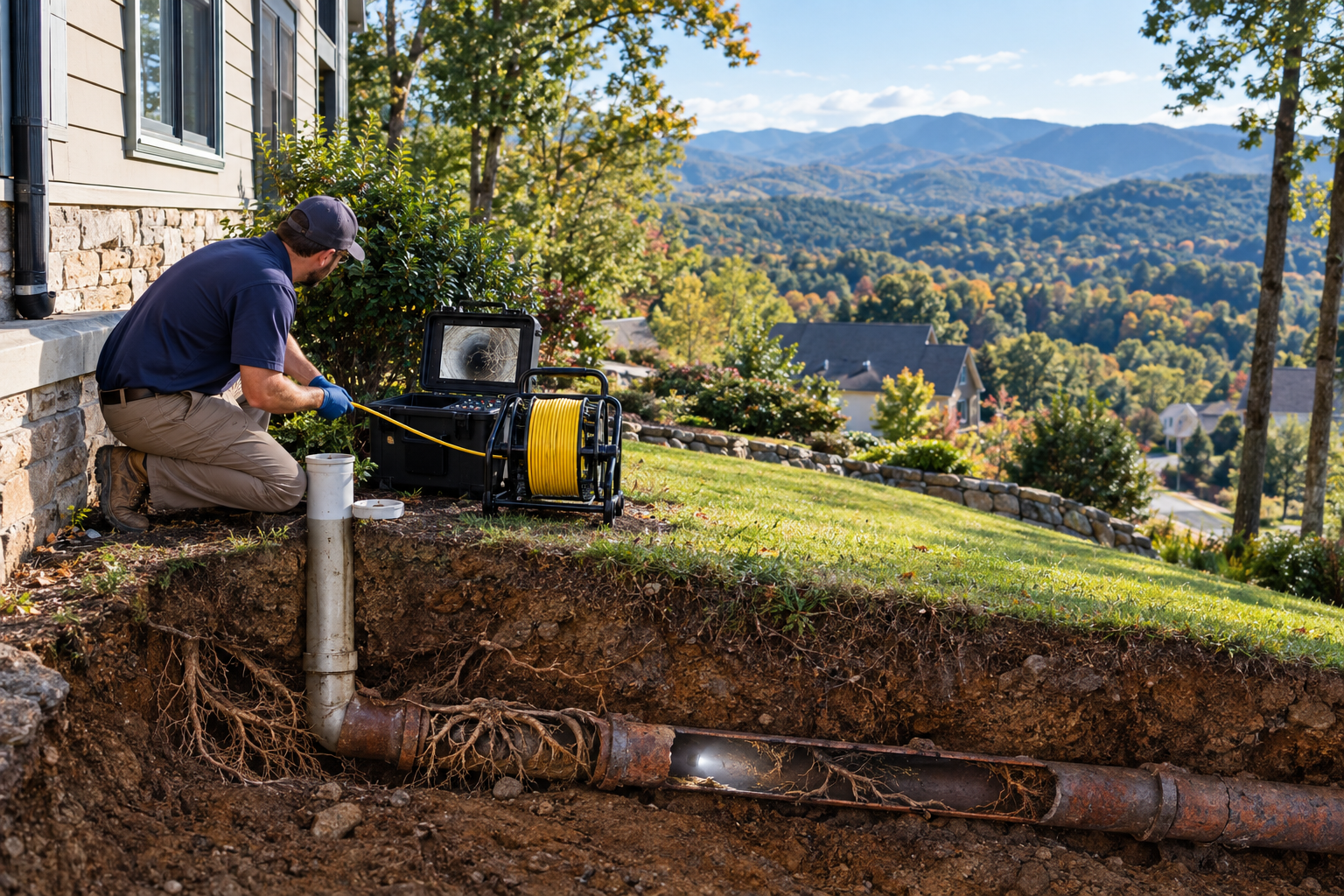
We open the tank (typically via risers or digging) to inspect the interior and assess sludge and scum levels.
3. Visual Inspection of Components
We check for:
- Cracks or corrosion in the tank
- Inlet/outlet baffles or tees
- Tree root intrusion
- Standing water in the drain field
- Signs of backups or overflows
4. Flow Testing
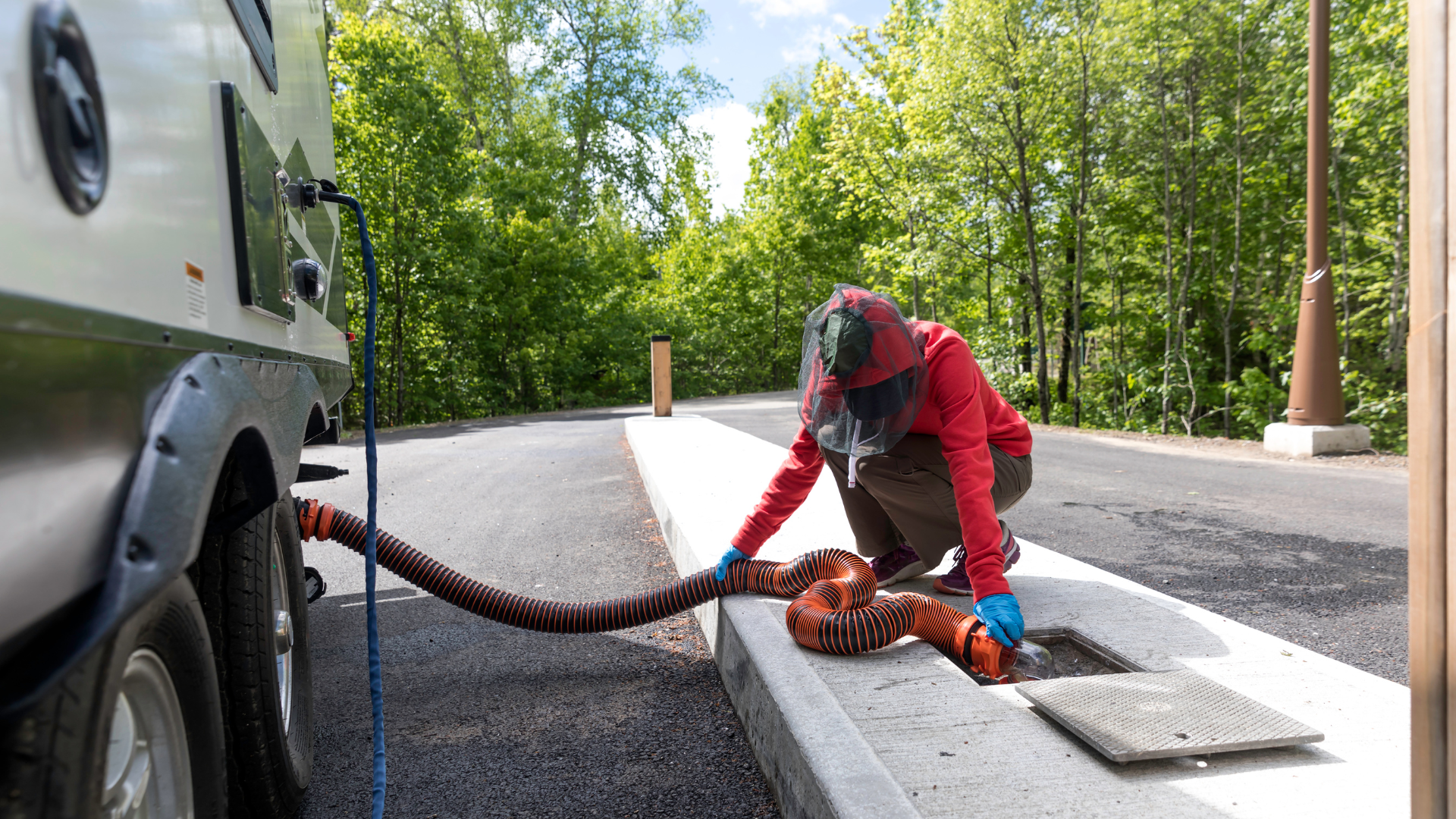
We run water through the system to simulate usage and monitor how well it processes wastewater.
5. Documentation & Reporting
You’ll receive a detailed report on:
- System type and condition
- Evidence of prior or current failure
- Recommended pumping or repairs
- Estimated remaining life of system components
What a Septic Inspection Can Reveal
Many septic issues aren’t visible until a full inspection is performed. Here are some of the most common problems we find:
- Cracked or Collapsing Tanks
Older concrete tanks may deteriorate and leak.
- Broken Baffles or Filters
Missing or damaged baffles can allow solids to flow into the drain field and cause clogs.
- Overloaded Systems
Excess water use or poor maintenance can overwhelm the system and flood the drain field.
- Tree Root Intrusion
Roots can damage pipes or block tank access.
- Improper Tank Location
Some tanks are too close to wells or water sources, violating NC code.
- Standing Water or Odors in the Yard
These are signs of drain field failure and can result in major remediation costs.
When to Schedule a Septic Inspection
We recommend scheduling your septic inspection as early as possible in the due diligence period to allow time for repairs, negotiation, or reconsideration.
You should get a septic inspection if:
- The home is more than 5 years old
- There are no records of recent pumping or inspection
- The seller is unsure of system location or maintenance history
- The home has been vacant for a while
- You notice unusual odors, wet areas, or slow drains
How Often Should a Septic System Be Pumped?
According to the North Carolina Department of Health and Human Services, septic tanks should be pumped every 3–5 years, depending on usage.
During an inspection, we assess whether pumping is needed and provide guidance on the recommended interval based on tank size, household size, and condition.
Tip: If the seller hasn’t pumped the tank in 5+ years, that’s a red flag — and should be addressed before closing.
What Happens If Problems Are Found?
If the inspection reveals minor issues, buyers can:
- Request repairs before closing
- Negotiate a credit for future repairs
- Request pumping and cleaning
- Ask for further evaluation by a septic specialist
If major issues like drain field failure or tank collapse are found, buyers can:
- Walk away from the deal (if still in due diligence)
- Renegotiate purchase price
- Require the seller to replace the system (which could cost $10,000+)
Does a Home Inspection Include the Septic System?
No. While a home inspector might note general issues (like odors, backups, or visible access lids), a full septic inspection requires:
- Specialized equipment
- System access
- In-depth knowledge of septic system design and operation
If you’re purchasing a property with a septic system, you must request a separate septic inspection — ideally from the same inspector who understands the entire property’s systems.
NC Septic System Rules Buyers Should Know
- In North Carolina, septic permits and system drawings are typically maintained at the county health department. We can assist in retrieving these records when available.
- Septic inspections are not mandatory for property sales — but are strongly recommended.
- If the system has been replaced or modified, verify it was done with permits and approved by local authorities.
Bonus Tip: Ask the seller for a copy of the septic permit and most recent pumping receipt. This can save you time and show whether the system has been maintained.
Frequently Asked Questions
What does a septic inspection cost in NC?
Most inspections range from $300–$500, depending on system accessibility and whether digging is required. Add-on costs may apply for tank pumping or specialty equipment.
Can I do a septic inspection myself?
No. A professional inspector understands system components, failure signs, and health code requirements. DIY inspections often miss major problems.
Is pumping the same as inspecting?
No. Pumping removes waste, but doesn't assess tank integrity, drain field condition, or system performance. Both are important.
What if I’m buying land to build on?
Before installing a septic system, a percolation (perc) test and permit are required to confirm soil conditions. We do not perform perc tests but can recommend local professionals.
Schedule Your Septic Inspection in Western NC Today
At Western North Carolina Property Inspections, we understand the importance of a healthy septic system — especially when buying a home in a rural area.
We proudly offer septic inspections throughout:
- Asheville
- Hendersonville
- Brevard
- Fletcher
- Fairview
- Arden
- And surrounding Western NC communities
Our team provides fast, reliable septic evaluations — and we’re fully equipped to handle tank locating, system access, and flow testing.