Why Asheville Homes Are More Vulnerable to Radon

June 25, 2026

Why Asheville Homes Are More Vulnerable to Radon

Brown building exterior with metal downspout and windows

If you own a home in Asheville or anywhere in Western North Carolina, radon is something you should take seriously.


Many homeowners have heard of radon before, but few fully understand what it is, why it’s especially common in mountain regions like Asheville, or how dangerous long-term exposure can be.


The reality is that homes throughout Asheville, Hendersonville, Brevard, and surrounding areas are at a higher risk for elevated radon levels than much of the country. In fact, Western North Carolina is considered one of the highest radon-risk regions in the state.


At Western North Carolina Property Inspections, we regularly perform radon testing in homes throughout the area and frequently discover elevated levels—even in newer homes.


In this guide, we’ll explain:

  • What radon is
  • Why Asheville homes are more vulnerable
  • Health risks associated with radon exposure
  • Which homes are most at risk
  • How testing works
  • What homeowners can do if high levels are found


What Is Radon?

Radon is a naturally occurring radioactive gas created when uranium breaks down in soil and rock.

It is:

  • Colorless
  • Odorless
  • Tasteless
  • Invisible


Because you cannot detect radon without specialized equipment, testing is the only way to know whether your home has elevated levels.


According to the EPA:

  • Radon is the second leading cause of lung cancer in the United States.
  • It causes approximately 21,000 deaths annually.
  • Smokers exposed to radon face even higher risks.


Why Asheville Has Higher Radon Levels

Several factors make Asheville and surrounding mountain communities particularly vulnerable to radon.


1. Mountain Geology

Western North Carolina sits within the Appalachian Mountain region, which contains:

  • Granite
  • Gneiss
  • Shale
  • Uranium-bearing rock formations


As these rocks naturally break down over time, radon gas is released into the soil.


This geological composition is one of the primary reasons Asheville consistently records higher-than-average radon readings.


2. Homes Built Into Hillsides

Many Asheville homes are built:

  • On slopes
  • Into hillsides
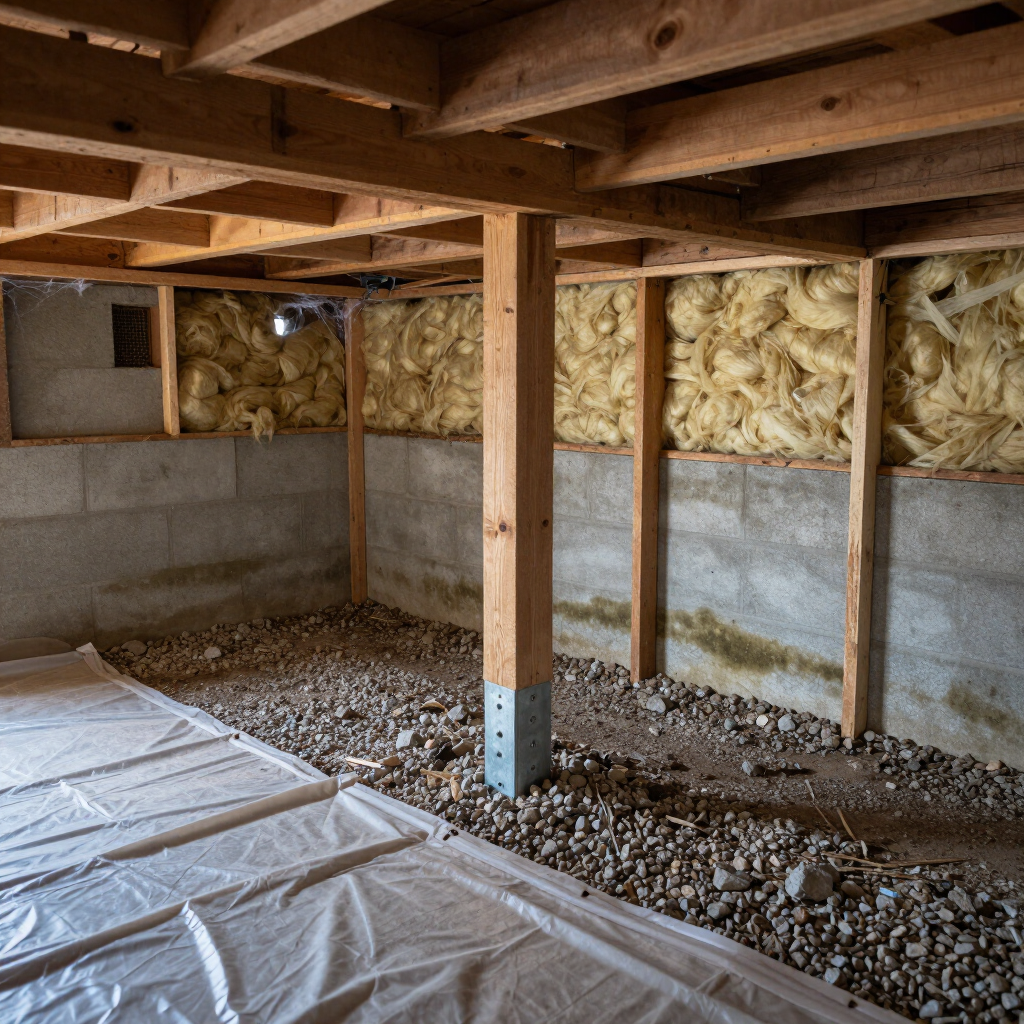
  • Over basements or crawlspaces


These construction styles increase direct contact with the soil, creating more opportunities for radon to enter through:

  • Foundation cracks
  • Crawlspaces
  • Basement floors
  • Utility penetrations
  • Sump pits


3. Seasonal Weather Patterns

Western NC experiences:

  • Heavy rainfall
  • Humidity
  • Seasonal temperature swings


Changes in:

  • Soil moisture
  • Air pressure
  • Indoor ventilation

…can all affect how radon moves into and accumulates inside homes.


During colder months, homes are sealed more tightly, often causing radon levels to rise.


4. Energy-Efficient Construction

Ironically, newer homes are not immune.


Modern energy-efficient construction often creates tighter building envelopes that trap radon indoors.


Many homeowners assume:
“New home = safe from radon.”

That’s not true.


We regularly test newer homes in Asheville with elevated radon levels.


Which Asheville Homes Are Most at Risk?

While any home can have elevated radon, certain properties tend to be more vulnerable.


Homes with Basements

Basements sit directly against the soil and often accumulate the highest radon concentrations.


Homes with Crawlspaces

Unsealed or vented crawlspaces allow soil gases to enter more easily.


Older Homes

Older foundations may contain:

  • Cracks
  • Settlement gaps
  • Aging drainage systems


These openings increase radon entry points.


Homes in Rural Mountain Areas

Homes in:

  • Brevard
  • Black Mountain
  • Weaverville
  • Fairview
  • Hendersonville

…often test higher due to mountainous terrain and rocky soils.


Common Signs of Radon Exposure

Unfortunately, radon does not create immediate symptoms.


You cannot:

  • Smell it
  • Taste it
  • See it


Long-term exposure gradually damages lung tissue over time.


This is why testing is critical—even if your home seems perfectly healthy.


What Radon Levels Are Considered Dangerous?

Radon is measured in:
picocuries per liter (pCi/L)

According to the EPA:
Radon Level Meaning
0–2 pCi/L Low risk
2–4 pCi/L Moderate risk
4+ pCi/L EPA recommends mitigation

Many homes in Asheville test:

  • Between 4–10 pCi/L
  • Some significantly higher

No level of radon is completely risk-free.


How Radon Testing Works

At Western North Carolina Property Inspections, we use professional-grade continuous radon monitoring equipment to measure levels accurately.


Step 1: Device Placement

We place a monitoring device in the:

  • Lowest livable level of the home
  • Usually a basement or first floor


Step 2: Closed-Home Conditions

For accurate testing:

  • Windows remain closed
  • Exterior doors stay shut except for normal entry/exit
  • HVAC systems operate normally


Step 3: Monitoring Period

The monitor collects readings continuously over:

  • 48 hours or longer


This provides a more accurate average level.


Step 4: Reporting

You receive:

  • Full digital results
  • Hourly radon readings
  • EPA recommendations
  • Guidance on mitigation if needed


What Happens If Radon Levels Are High?

The good news:
Radon problems are highly manageable.


A radon mitigation system can often reduce levels by:

  • 80–99%


Typical Mitigation Systems Include:

  • PVC vent piping
  • Sealed suction points beneath slab or crawlspace
  • Vent fans that redirect radon outdoors


These systems are:

  • Effective
  • Quiet
  • Relatively affordable


Most installations cost:

  • Between $800–$2,500 depending on the home


Should You Test Even If Another Owner Already Did?

Yes.


Radon levels can change over time due to:

  • Weather conditions
  • Foundation settling
  • HVAC changes
  • Renovations
  • Soil moisture changes


The EPA recommends retesting:

  • Every 2 years
  • After major renovations
  • After mitigation installation
  • After foundation or HVAC modifications


Radon Testing During Real Estate Transactions

Radon testing is especially important when:

  • Buying a home
  • Selling a home
  • Purchasing investment property


Buyers often request radon testing during due diligence because elevated levels can:

  • Affect health
  • Influence negotiations
  • Require mitigation before closing


For sellers, testing beforehand can:

  • Prevent surprises
  • Improve buyer confidence
  • Help transactions move faster


Why Professional Testing Matters

DIY kits are available, but professional testing offers:

  • More accurate monitoring
  • Tamper-resistant equipment
  • Certified reporting
  • Real estate documentation
  • Expert interpretation


Professional testing is strongly recommended for real estate transactions.


Frequently Asked Questions

Is radon only found in older homes?

No. Both old and new homes can have elevated levels.


Does opening windows fix radon?

Temporarily, maybe—but it’s not a long-term solution.


Can radon affect upper floors?

Yes. While concentrations are usually highest near the foundation, radon can circulate throughout the home.


Should I test if my neighbor’s home passed?

Absolutely. Radon levels vary significantly from one property to another.


Schedule Radon Testing in Asheville & Western NC

If you live in Asheville or surrounding Western North Carolina communities, radon testing is one of the most important steps you can take to protect your family and your investment.


At Western North Carolina Property Inspections, we provide:

  • Professional radon testing
  • Fast digital reporting
  • Real estate transaction testing
  • Long-term homeowner testing
  • Service throughout Western NC


We proudly serve:

  • Asheville
  • Hendersonville
  • Brevard
  • Arden
  • Fletcher
  • Black Mountain
  • Weaverville
  • And surrounding communities


Call (828) 989-9715 or schedule online at https://www.westernnorthcarolinapropertyinspectionsllc.com/radon-testing


Recent Posts

Two men reviewing a notebook together in a bright office setting
June 10, 2026
Selling your home in Asheville? Learn what’s included in a pre-listing home inspection and how it helps sellers avoid delays and negotiate confidently.
Worker in hard hat inspecting a fluorescent light fixture near a wall control panel.
May 26, 2026
Wondering how often you should schedule a home inspection in North Carolina? Learn when inspections are recommended and how they protect your home investment.
Worker in blue hard hat inspecting warehouse shelves with a clipboard
May 6, 2026
Choosing a home inspector in Asheville? Ask these 10 essential questions to avoid surprises and hire with confidence. Local tips for smart buyers.
April 21, 2026
Buying a home with a septic system in North Carolina? Find out why a septic inspection is essential before closing and how it protects your investment.
A clipboard titled
April 6, 2026
Buying or selling a home in Hendersonville? Discover the most common home inspection problems in NC properties—and how to prevent them.
A person holding another person in their arms in front of a suburban house with a
March 20, 2026
Buying or managing property in Asheville? Learn what a commercial property inspection includes, why it matters, and how to avoid costly surprises.
Hand holding a test tube, collecting a water sample from a lake, creating ripples.
March 6, 2026
Buying a home with a private well in NC? Learn how to detect water contamination, what to test for, and why certified water sampling matters.
Light blue accordion file case open on a wooden desk.
February 19, 2026
Selling your home in Asheville? Use this expert home inspection checklist to avoid surprises, pass inspections, and close faster with fewer delays.
Person emptying RV waste tank. RV parked at campsite with sewer hookup. Person in red jacket.
February 4, 2026
Buying or owning a home in North Carolina? Learn what a sewer scope inspection includes and why it’s essential for preventing costly plumbing surprises.
Green rod-shaped bacteria with bumpy surfaces, a microscopic view.
January 20, 2026
Worried about mold in your Brevard home? Learn what a professional mold assessment reveals, common signs to watch for, and why early detection matters.
Show More