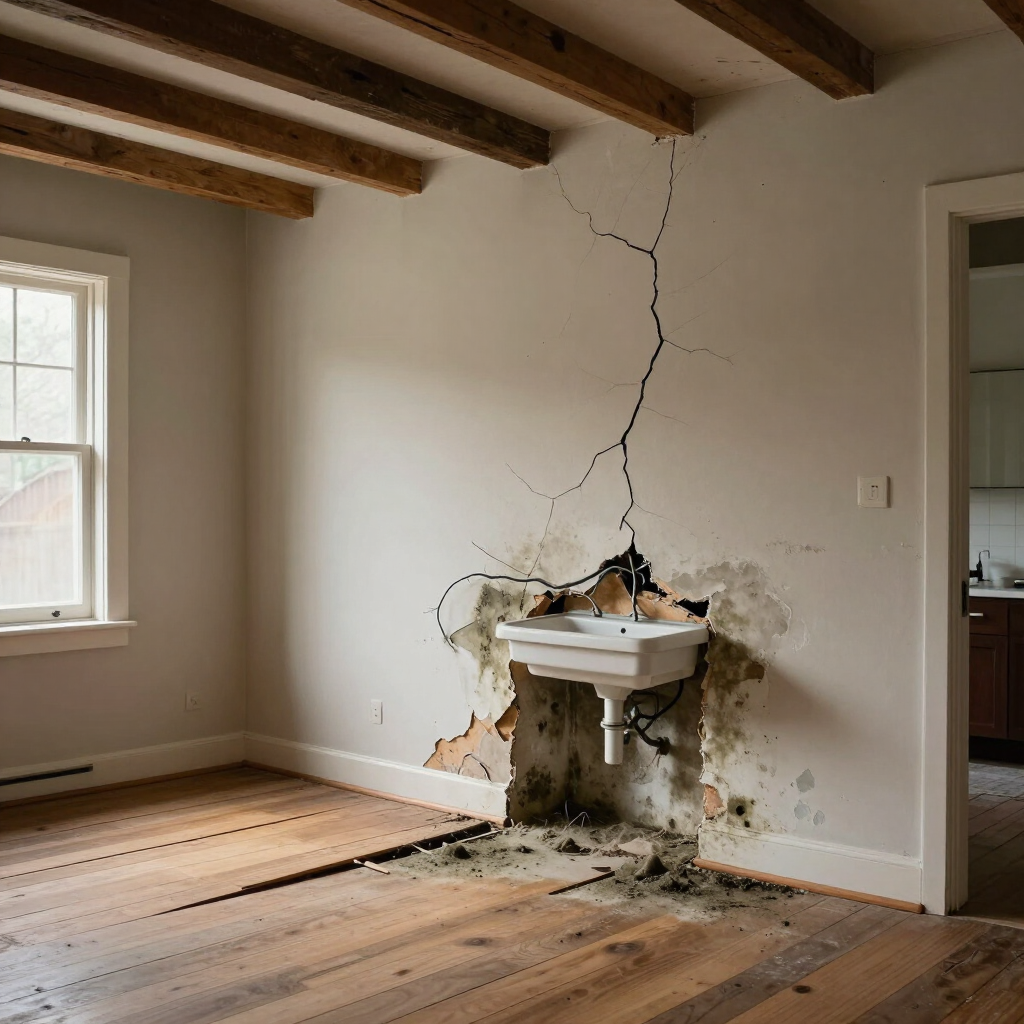
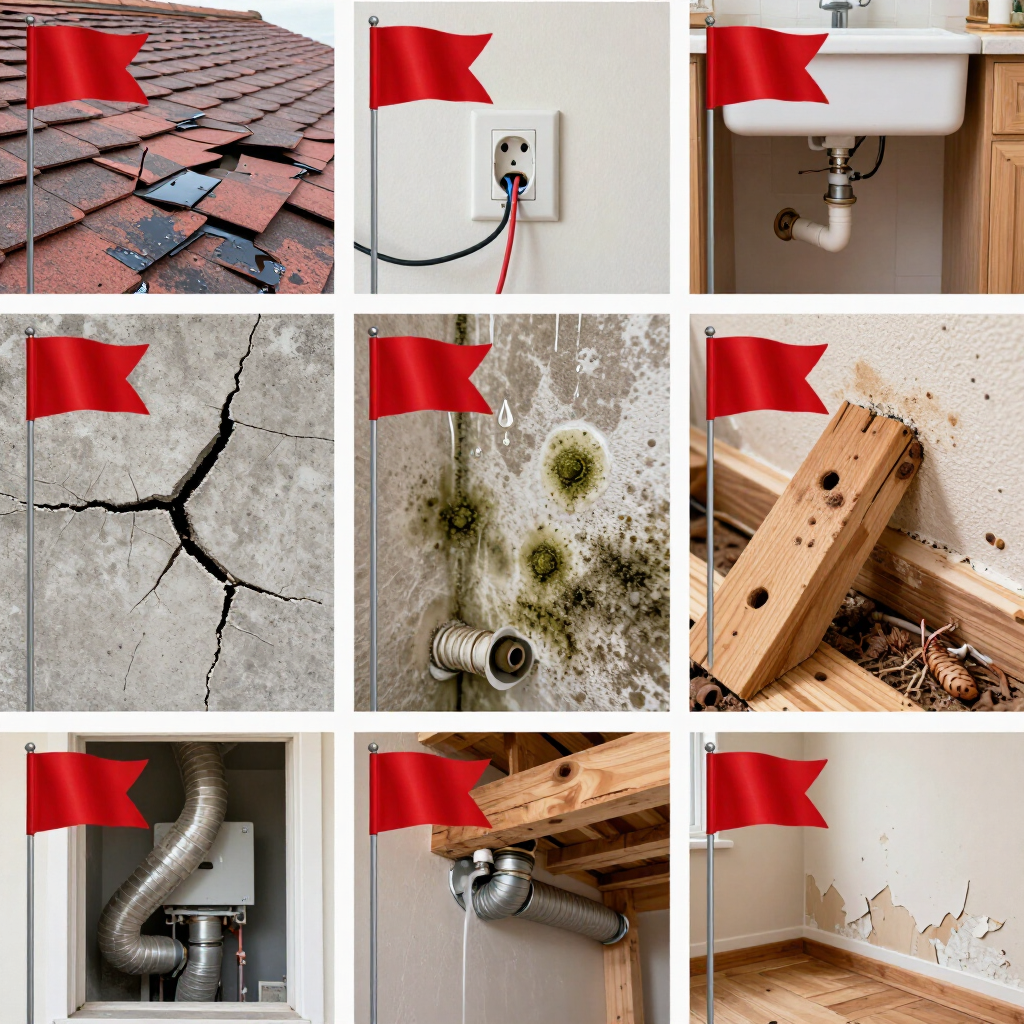
Water damage is one of the most expensive and frustrating problems homeowners face. Unfortunately, moisture problems often develop silently behind walls, beneath flooring, or inside ceilings long before visible signs appear.
That’s where thermal imaging becomes extremely valuable.
At Western North Carolina Property Inspections, we use thermal imaging technology to help uncover hidden moisture issues during home inspections throughout Asheville, Hendersonville, Brevard, and surrounding areas.
Thermal imaging allows inspectors to detect temperature differences that may indicate:
- Water intrusion
- Plumbing leaks
- Roof leaks
- Missing insulation
- Air leaks
- Electrical hotspots
While infrared cameras cannot literally “see through walls,” they can reveal hidden patterns that often point to moisture problems invisible to the naked eye.
In this guide, we’ll explain:
- How thermal imaging works
- Whether it can detect water damage
- What inspectors look for
- Common hidden moisture problems in Western NC homes
- Why thermal imaging is valuable during home inspections
What Is Thermal Imaging?
Thermal imaging—also called infrared imaging—is technology that detects heat patterns and temperature differences on surfaces.
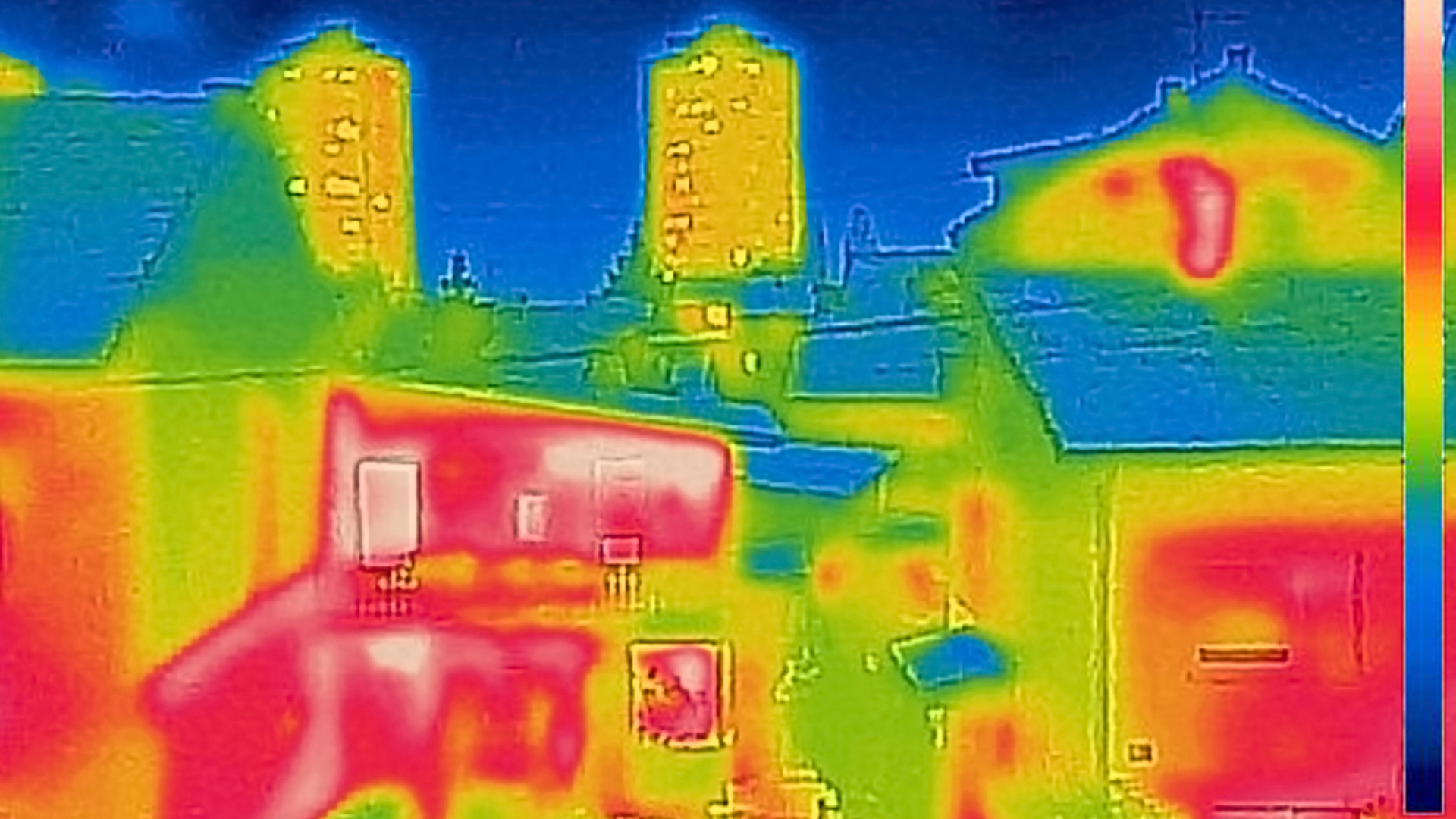
Specialized infrared cameras convert temperature variations into visual images called thermograms.
Different temperatures appear as different colors or shades.
For example:
- Cooler areas may appear blue or purple
- Warmer areas may appear yellow, orange, or red
These temperature differences can help inspectors identify abnormalities hidden behind finished surfaces.
How Thermal Imaging Helps Detect Water Damage
Moisture often changes the temperature of building materials.
Why?
Because wet materials heat and cool differently than dry materials.
When water enters walls, ceilings, or floors:
- Moisture retains temperature differently
- Evaporation cools surfaces
- Thermal patterns become visible
Infrared cameras can help identify these unusual temperature signatures.
Important: Thermal Imaging Does NOT “See Through Walls”
This is a common misconception.
Thermal cameras detect:
- Surface temperature differences
They do NOT:
- X-ray through walls
- Directly visualize water
- Confirm moisture without additional verification
Professional inspectors combine thermal imaging with:
- Moisture meters
- Visual inspections
- Experience and interpretation
Thermal imaging is a powerful tool—but it works best as part of a comprehensive inspection process.
Common Types of Water Damage Thermal Imaging Can Detect
1. Roof Leaks
Roof leaks are one of the most common hidden moisture problems we discover in Western NC homes.
What Thermal Imaging Reveals
Infrared cameras may detect:
- Cooler moisture patterns in ceilings
- Damp insulation areas
- Hidden leak pathways
Sometimes leaks are present long before stains become visible.
This is especially helpful after:
- Storm damage
- Heavy rainfall
- Roof aging
2. Plumbing Leaks Behind Walls
Small plumbing leaks can quietly cause extensive damage over time.
Thermal imaging may help identify:
- Leaking supply lines
- Hidden pipe condensation
- Slow drain leaks
- Moisture behind cabinets or walls
Many plumbing leaks remain unnoticed for months until visible damage appears.
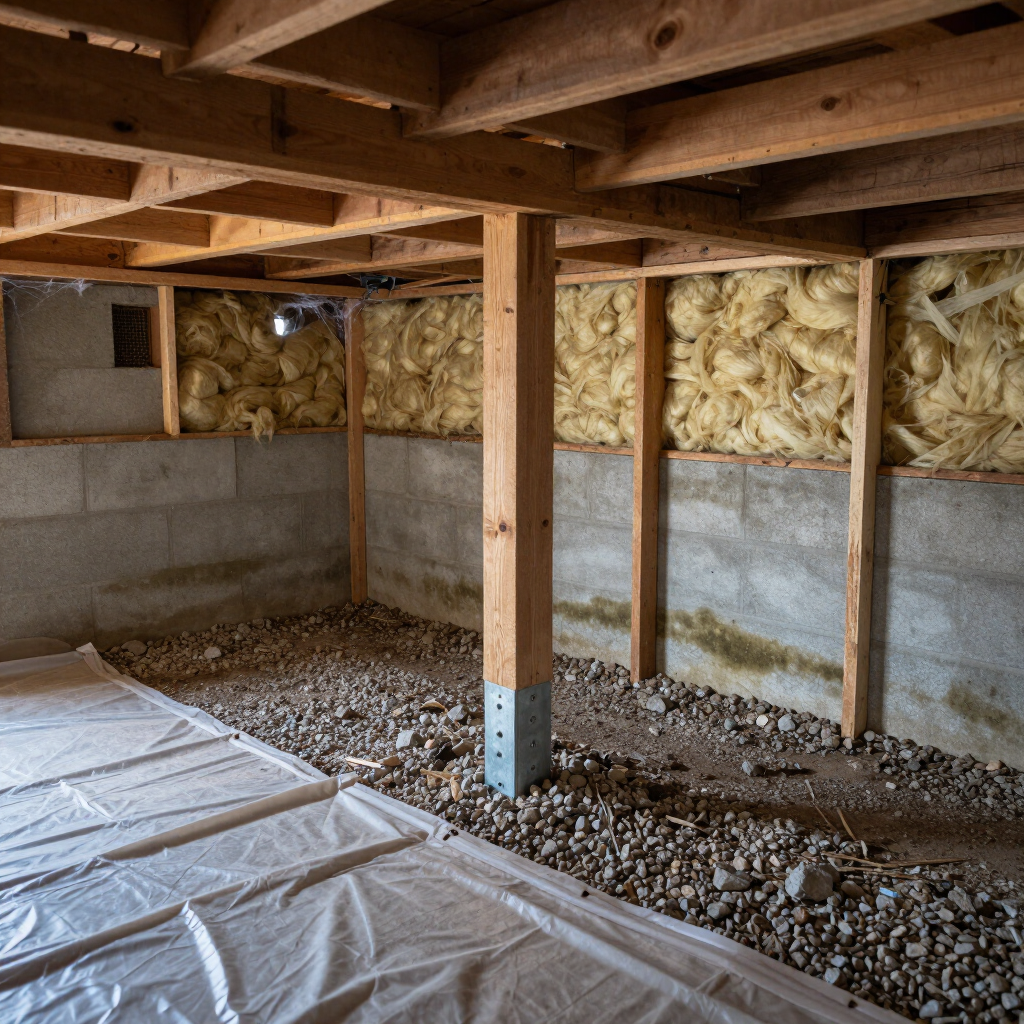
3. Crawlspace Moisture Problems
Crawlspaces in Asheville-area homes frequently experience:
- High humidity
- Standing water
- Condensation
- Moisture intrusion
Thermal imaging helps identify:
- Wet insulation
- Cold moisture zones
- Air leakage
- Elevated humidity areas
These conditions often contribute to mold growth and wood deterioration.
4. Window & Door Leaks
Improperly sealed windows and doors can allow water intrusion during storms.
Thermal imaging may reveal:
- Moisture around frames
- Air leakage
- Insulation gaps
- Hidden water intrusion
These issues often affect energy efficiency as well.
5. Basement Moisture Intrusion
Homes with basements commonly experience:
- Foundation seepage
- Drainage issues
- Hydrostatic pressure
- Wall moisture
Infrared technology helps locate cooler moisture areas before major visible damage develops.
Why Thermal Imaging Is Especially Valuable in Western NC
Homes in Asheville, Hendersonville, and Brevard face unique moisture challenges due to:
- Mountain rainfall
- Humidity
- Sloped terrain
- Crawlspace construction
- Aging homes
Moisture problems are among the most common issues we encounter during inspections.
Thermal imaging provides an additional layer of protection for buyers and homeowners.
What Thermal Imaging Can Also Detect
While moisture detection is one of its most valuable uses, thermal imaging can also help identify:
Missing Insulation
Infrared cameras may reveal:
- Poor attic insulation
- Wall insulation gaps
- Energy loss areas
This helps homeowners improve comfort and energy efficiency.
Electrical Hotspots
Overheating electrical components often create heat signatures.
Thermal imaging may identify:
- Overloaded breakers
- Loose electrical connections
- Overheating wiring
This can help uncover fire hazards early.
HVAC Problems
Infrared technology can help inspectors evaluate:
- Airflow issues
- Duct leakage
- Uneven heating/cooling
- Insulation performance
What Happens If Moisture Is Detected?
If suspicious thermal patterns are found, inspectors typically:
- Verify with moisture meters
- Evaluate surrounding materials
- Recommend repairs or specialist evaluation if needed
Not every thermal anomaly indicates a major issue—but further investigation may be recommended.
Signs You May Need Thermal Imaging
Homeowners should consider thermal imaging if they notice:
- Musty odors
- High humidity
- Water stains
- Increased allergy symptoms
- Cold spots on walls
- Warped flooring
- Unexplained high utility bills
- Condensation problems
Many hidden moisture problems remain invisible for long periods without infrared technology.
Is Thermal Imaging Worth It During a Home Inspection?
In many cases, absolutely.
Thermal imaging can help uncover:
- Hidden moisture
- Insulation deficiencies
- Electrical concerns
- Air leakage
This is especially valuable for:
- Older homes
- Mountain homes
- Homes with crawlspaces
- Homes with prior water damage history
It adds another level of insight beyond a visual-only inspection.
Limitations of Thermal Imaging
While extremely useful, thermal imaging does have limitations.
It may not detect:
- Every hidden leak
- Deep concealed moisture
- Very small temperature differences
Environmental conditions can also affect results.
That’s why experience matters. Proper interpretation is critical.
At Western North Carolina Property Inspections, we use thermal imaging as part of a complete inspection—not as a standalone gimmick.
Thermal Imaging vs Moisture Meters
These tools work together.
Thermal Imaging
Detects temperature differences.
Moisture Meters
Measure actual moisture content in materials.
When combined, they provide much more reliable information.
Why Buyers Love Thermal Imaging Inspections
Homebuyers appreciate thermal imaging because it may reveal hidden concerns before closing.
It provides:
- Extra peace of mind
- More complete information
- Better understanding of hidden conditions
In competitive real estate markets, hidden moisture issues can become expensive surprises after move-in.
Frequently Asked Questions
Can thermal imaging confirm mold?
No. It can identify moisture conditions that may support mold growth, but mold testing is separate.
Does thermal imaging work on every home?
It’s useful in most homes, but results vary depending on environmental conditions and construction type.
Can thermal imaging detect old water damage?
Sometimes—but not always. Dry areas may no longer display thermal differences.
Is thermal imaging included in standard inspections?
Not always. Some inspectors offer it as an add-on service.
Schedule a Thermal Imaging Inspection in Western NC
Hidden moisture problems can cause serious damage long before they become visible.
At Western North Carolina Property Inspections, our thermal imaging inspections help homeowners and buyers uncover hidden concerns before they become expensive repairs.
We proudly serve:
- Asheville
- Hendersonville
- Brevard
- Arden
- Fletcher
- Black Mountain
- Weaverville
- And surrounding Western NC communities
We offer:
- Residential inspections
- Thermal imaging
- Mold assessments
- Radon testing
- Sewer scope inspections
- Septic inspections
- Water testing
Call (828) 989-9715 or schedule online at
https://www.wncpropertyinspections.com/thermal-imaging