Asheville is known for its charm, character, and historic architecture. From craftsman bungalows and mountain cottages to mid-century ranch homes, many buyers are drawn to the unique personality older homes provide.
But while older homes often offer craftsmanship and charm you won’t find in modern construction, they can also come with hidden issues that buyers should understand before closing.
At Western North Carolina Property Inspections, we inspect older homes throughout Asheville, Hendersonville, Brevard, Black Mountain, and surrounding communities every week. While many are beautifully maintained, others contain aging systems, deferred maintenance, or hidden structural concerns that aren’t obvious during a showing.
In this guide, we’ll explain:
- Common problems found in older Asheville homes
- What buyers should pay close attention to
- Why inspections are critical
- Which issues are manageable vs. expensive
- How to protect yourself before purchasing
Why Asheville Has So Many Older Homes
Asheville’s housing market includes many homes built:
- Before 1950
- Between the 1950s–1970s
- During periods with very different building standards
These homes often feature:
- Original hardwood floors
- Masonry fireplaces
- Custom trim work
- Historic architecture
- Mature landscaping
- Unique layouts
However, many also contain:
- Aging infrastructure
- Outdated electrical systems
- Older plumbing materials
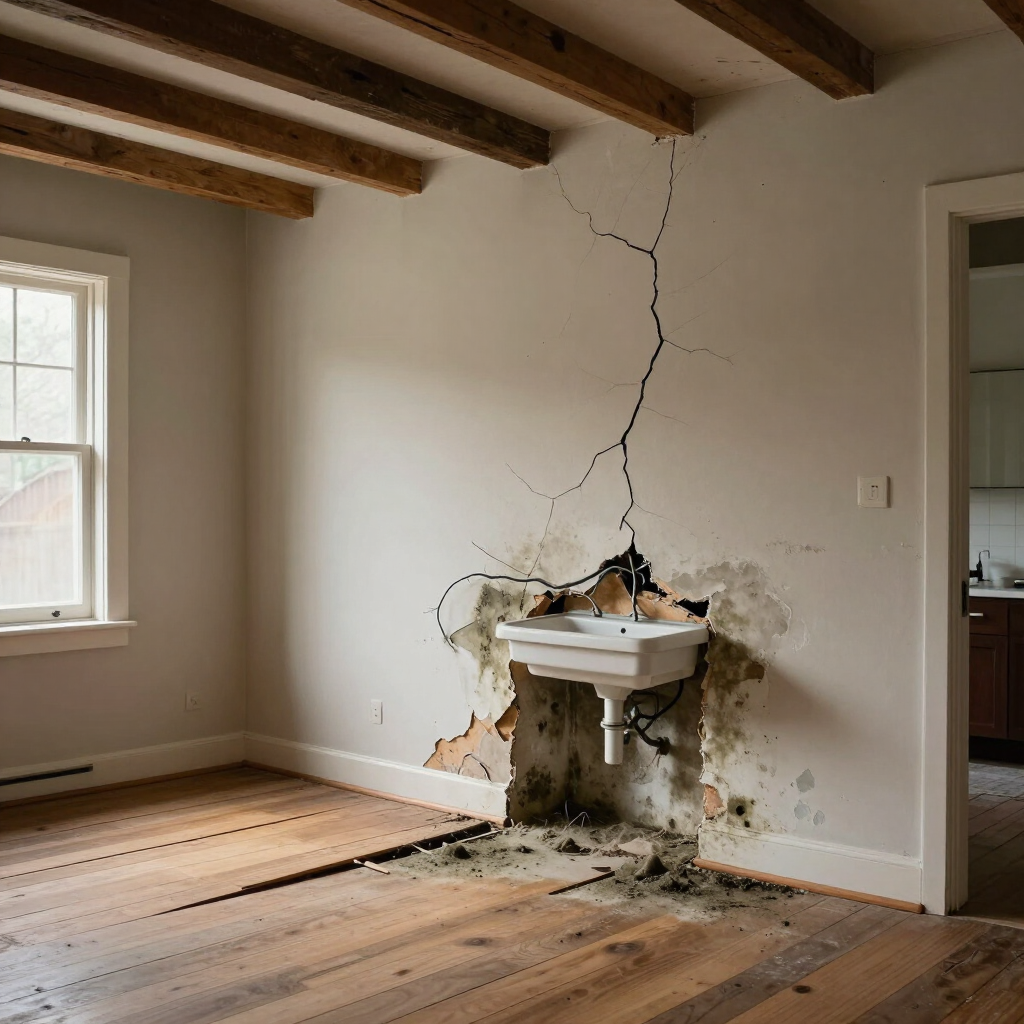
- Moisture vulnerabilities
- Foundation concerns
Older homes can absolutely be excellent investments—but buyers need to understand what they’re purchasing.
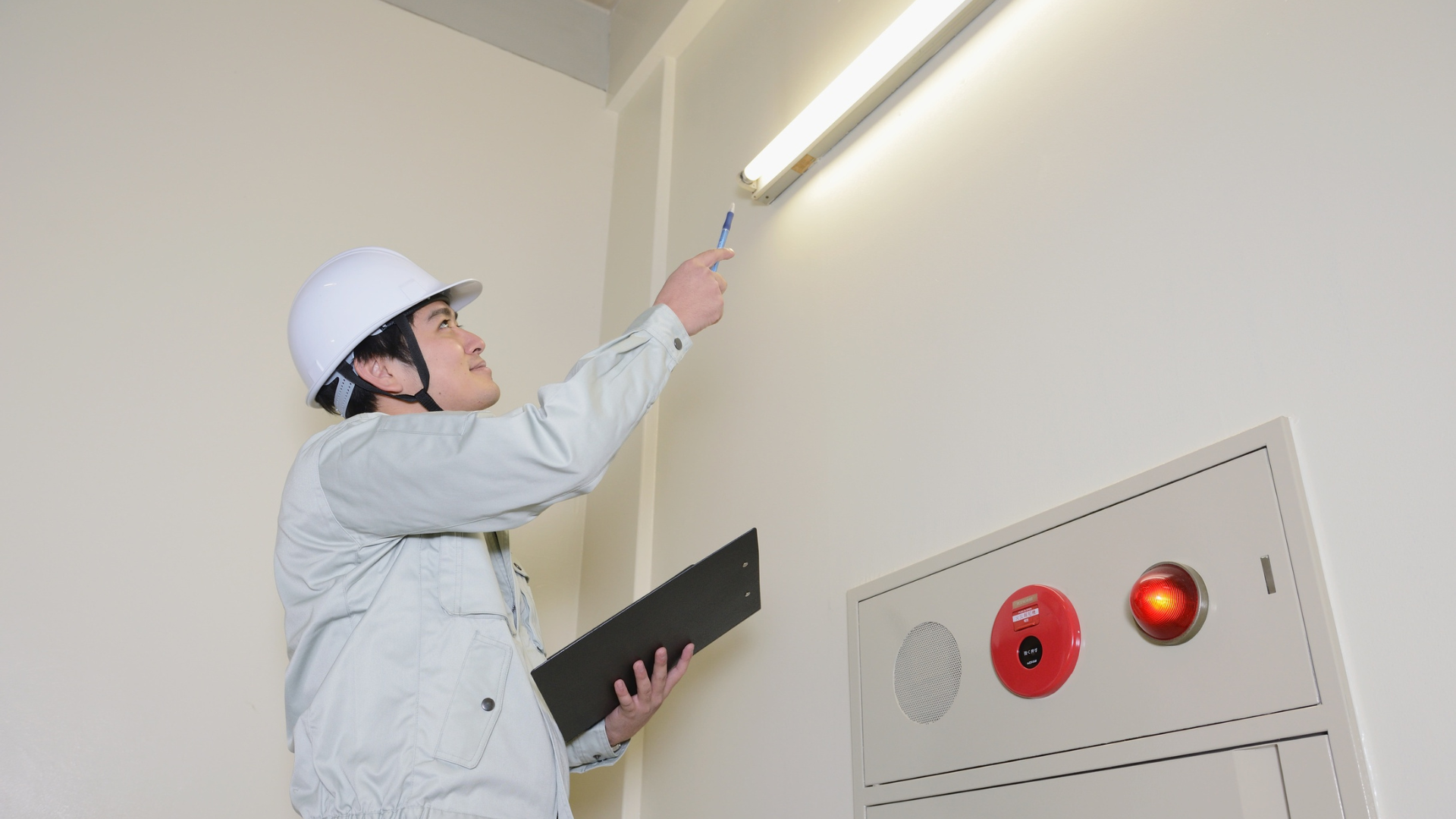
Why Older Homes Require Thorough Inspections
Unlike newer construction, older homes have experienced:
- Decades of weather exposure
- Multiple owners
- Renovations and repairs
- Settling and movement
- Aging systems
Some updates may have been professionally completed.
Others may involve shortcuts, DIY repairs, or outdated materials
A thorough inspection helps uncover hidden conditions before they become expensive surprises.
1. Foundation & Structural Movement
Why It’s Common
Older homes often experience decades of:
- Soil settling
- Moisture exposure
- Drainage changes
- Foundation movement
In mountain areas like Asheville, sloped terrain and heavy rainfall can accelerate these issues.
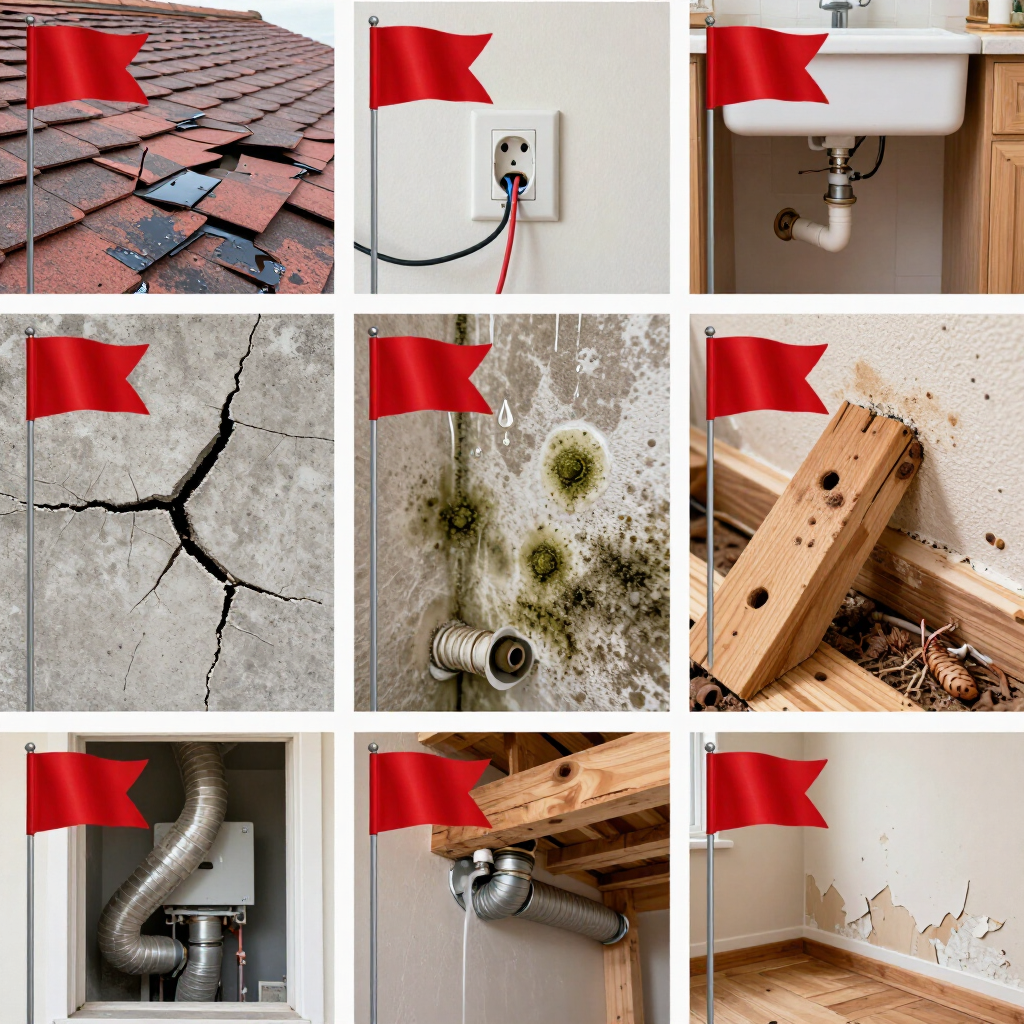
Common Structural Concerns
- Cracked foundations
- Uneven floors
- Sagging beams
- Sticking doors/windows
- Wood rot
- Improper supports in crawlspaces
Not every crack indicates a major problem—but structural movement should always be evaluated carefully.
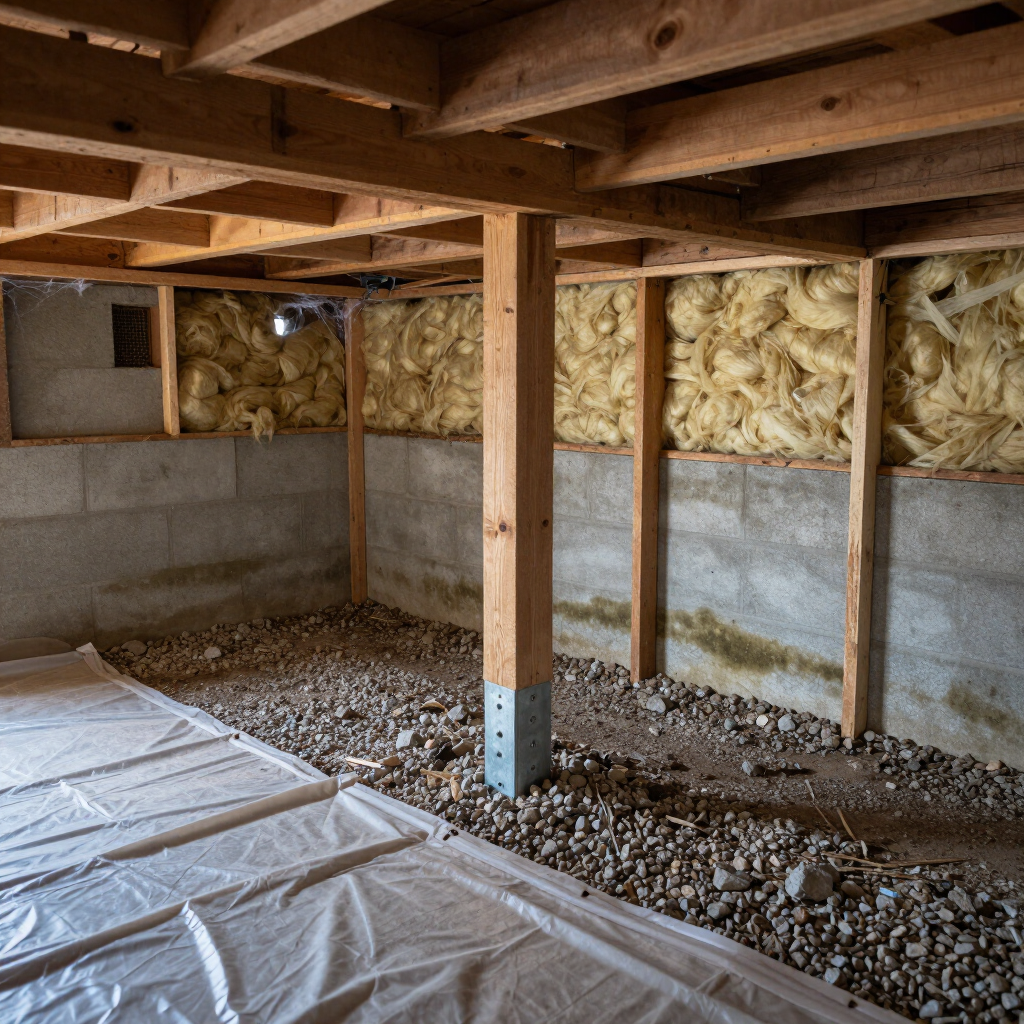
2. Crawlspace Moisture Problems
Crawlspaces are one of the most common trouble areas in older Western NC homes.
Why Moisture Happens
Western North Carolina experiences:
- High humidity
- Frequent rainfall
- Mountain drainage issues
Older homes often lack:
- Proper vapor barriers
- Adequate drainage systems
- Modern moisture control
Common Crawlspace Issues
- Standing water
- Mold growth
- Rotting wood
- Falling insulation
- Pest activity
- High humidity
These problems may affect:
- Structural integrity
- Indoor air quality
- Energy efficiency
3. Outdated Electrical Systems
Many older Asheville homes still contain aging electrical systems that may not meet modern safety standards.
Common Electrical Concerns
- Federal Pacific or Zinsco panels
- Knob-and-tube wiring
- Ungrounded outlets
- Aluminum wiring
- Overloaded circuits
- Improper DIY modifications
Older electrical systems may:
- Create fire hazards
- Cause insurance complications
- Require costly upgrades
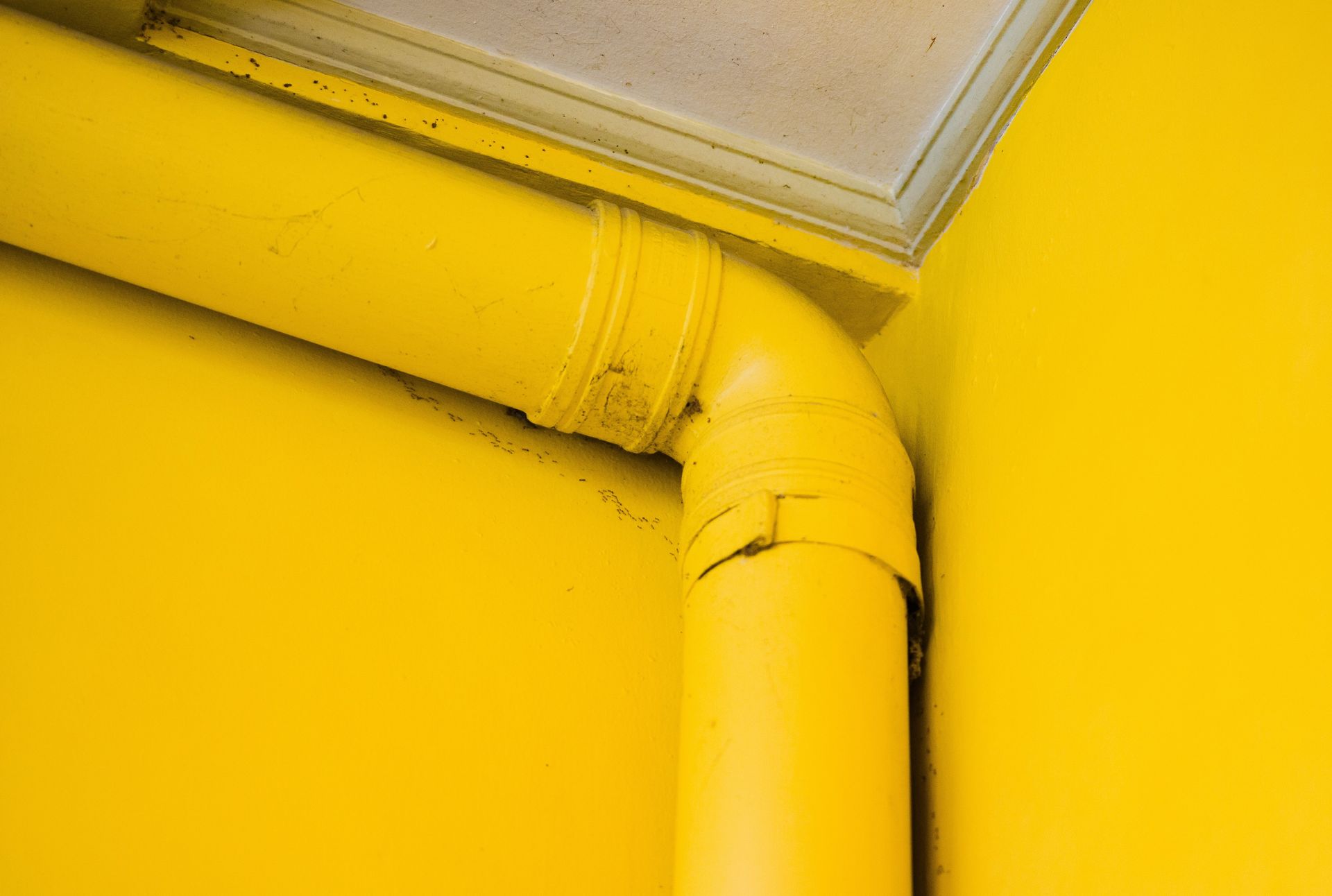
4. Aging Plumbing Systems
Plumbing materials have changed significantly over the decades.
Older homes may contain:
- Galvanized steel pipes
- Cast iron drains
- Polybutylene piping
- Corroded plumbing lines
Common Plumbing Problems
- Low water pressure
- Hidden leaks
- Corrosion
- Slow drains
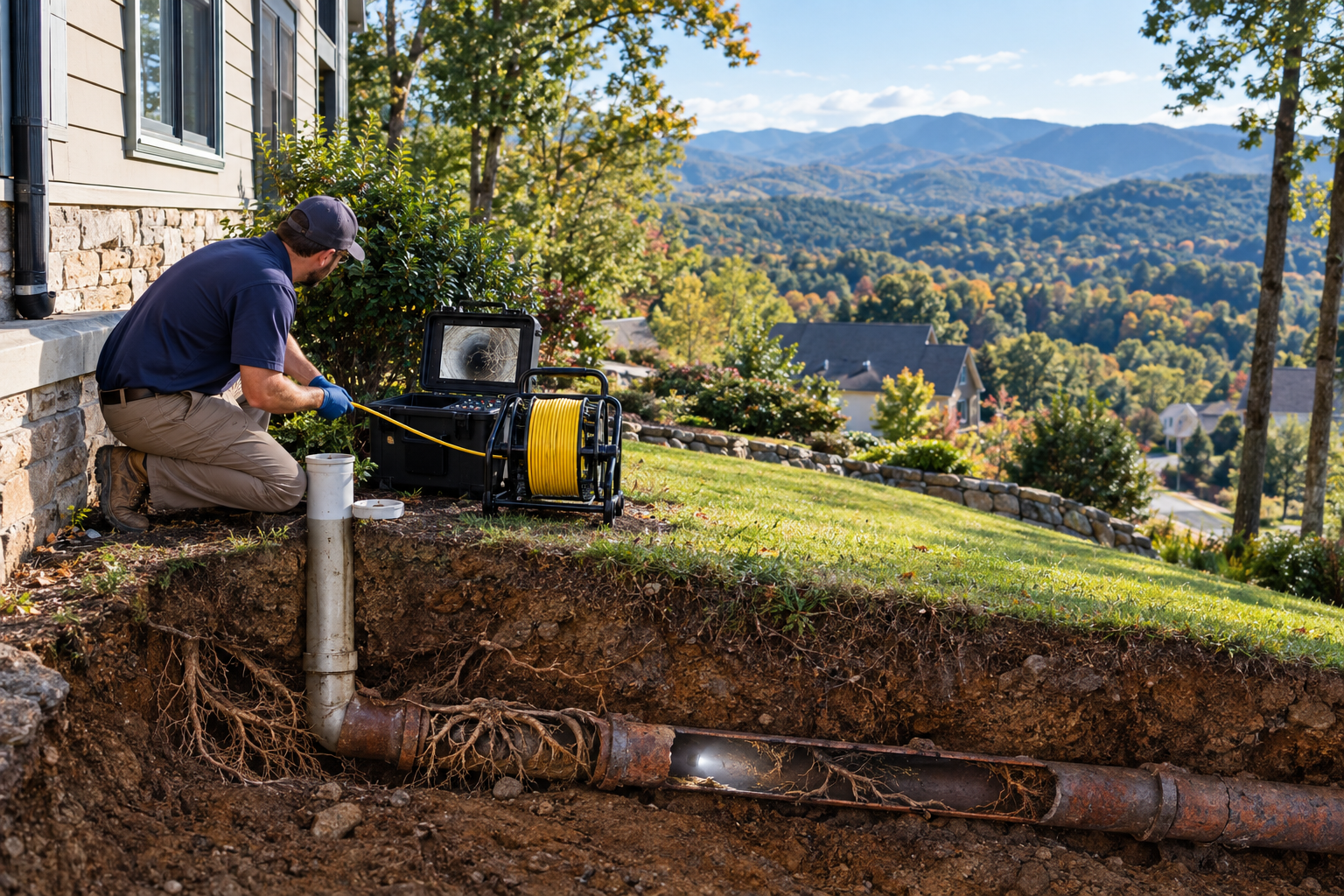
- Sewer line deterioration
Tree root intrusion is also common in Asheville’s older neighborhoods with mature landscaping.
5. Roof Aging & Water Intrusion
Older homes often have roofs approaching the end of their lifespan—or roofs with multiple layers of prior repairs.
Common Roofing Issues
- Aging shingles
- Flashing failures
- Soft decking
- Hidden leaks
- Poor attic ventilation
Water intrusion can eventually lead to:
- Mold
- Structural rot
- Insulation damage
- Ceiling stains
6. Poor Insulation & Energy Efficiency
Many older homes were built before modern energy-efficiency standards existed.
Common Problems Include
- Minimal attic insulation
- Drafty windows
- Air leakage
- Poor crawlspace insulation
- Inefficient HVAC systems
As a result, buyers may notice:
- Higher utility bills
- Uneven temperatures
- Drafts during winter
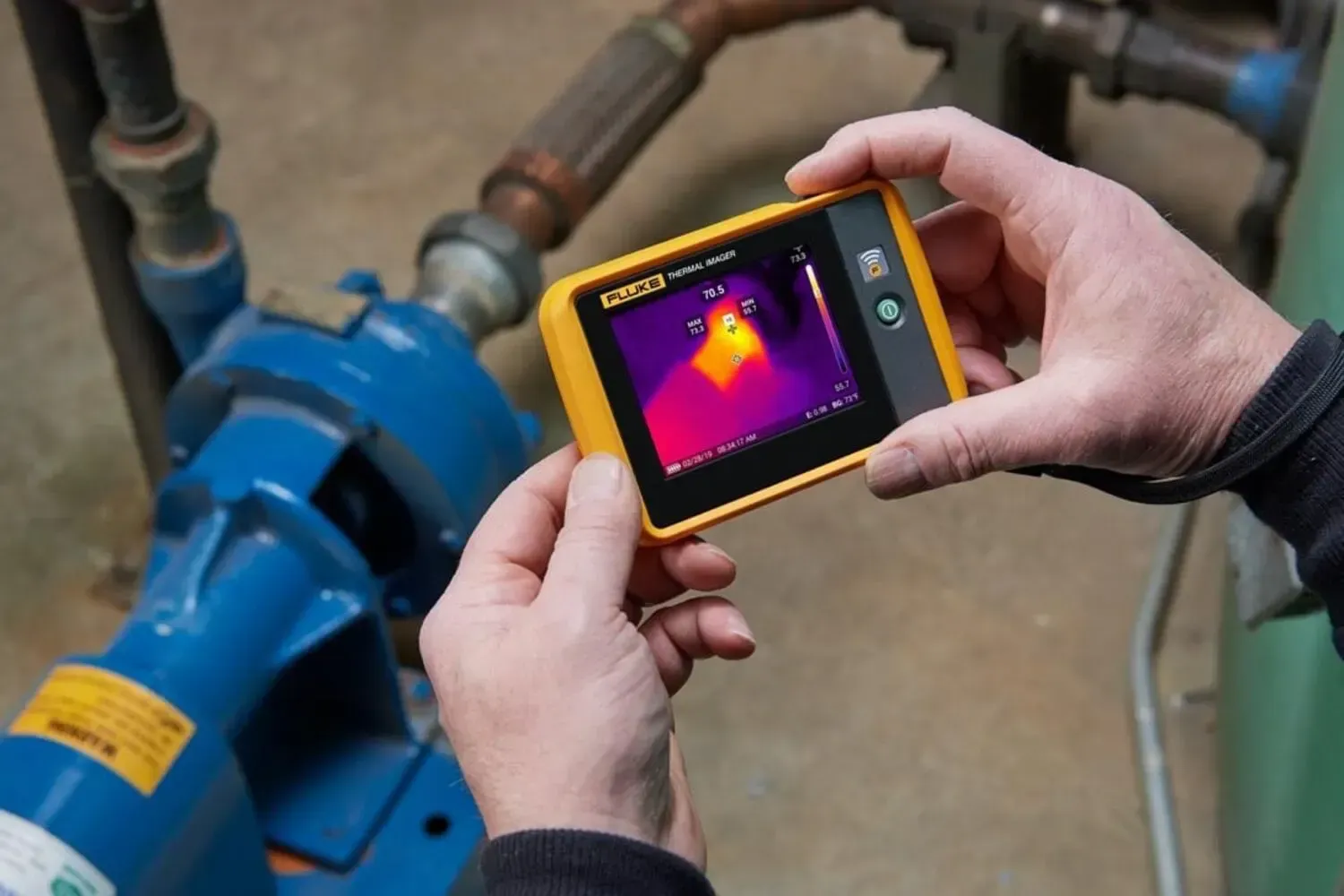
Thermal imaging inspections help identify hidden insulation gaps and air leaks.
7. Radon Risks in Older Homes
Asheville and surrounding mountain communities are considered high-risk radon areas.
Older homes with:
- Basements
- Crawlspaces
- Foundation cracks
…may be especially vulnerable to elevated radon levels.
Because radon is invisible and odorless, testing is the only way to know if levels are elevated.
8. DIY Renovations & Unpermitted Work
Many older homes have been renovated several times over the years.
Unfortunately, not all renovations were completed professionally.
Common DIY Issues
- Unsafe wiring
- Improper plumbing
- Structural modifications
- Inadequate ventilation
- Poor roofing repairs
- Improper drainage work
Fresh paint and cosmetic upgrades can sometimes hide underlying problems.
A thorough inspection helps identify workmanship concerns before closing.
9. Window & Door Issues
Older windows and doors often develop:
- Drafts
- Broken seals
- Rot
- Operational problems
Buyers commonly encounter:
- Foggy glass
- Windows painted shut
- Sticking doors
- Water intrusion around frames
Replacing original windows throughout an older home can become a significant expense.
10. HVAC Systems Near End-of-Life
Many older homes contain aging HVAC systems that may still operate—but are nearing replacement age.
What Inspectors Look For
- System age
- Airflow problems
- Rust or corrosion
- Maintenance history
- Improper installations
Replacing heating and cooling systems can cost:
Buyers should budget accordingly.
Are Older Homes Bad Investments?
Not at all.
Many older homes are:
- Better built than newer construction
- Full of character
- Located in desirable neighborhoods
- Extremely durable when maintained properly
The key is understanding:
- Current condition
- Future maintenance needs
- Potential repair costs
A well-maintained older home can be an excellent purchase.
What Buyers Should Focus On Most
When purchasing an older Asheville home, focus primarily on:
- Structural integrity
- Moisture issues
- Roof condition
- Electrical safety
- Plumbing condition
- Drainage
- HVAC lifespan
Cosmetic imperfections are usually far less important than hidden system concerns.
Why Local Experience Matters
Western North Carolina homes have unique environmental challenges:
- Mountain moisture
- Radon
- Crawlspace humidity
- Sloped terrain
- Older housing stock
A local inspector understands the issues most common in Asheville-area homes.
At Western North Carolina Property Inspections, we specialize in identifying problems specific to mountain properties and older homes.
Frequently Asked Questions
Should older homes automatically scare buyers?
No. Many older homes are excellent investments when properly maintained.
Are inspections more important for older homes?
Absolutely. Older homes have more aging systems and hidden maintenance concerns.
Is it normal for older homes to have some imperfections?
Yes. Minor cosmetic issues are expected.
Can older homes still pass inspections?
Home inspections don’t “pass” or “fail.” They simply provide information about condition.
Schedule an Inspection for Your Asheville Home
Buying an older home can be exciting—but it’s important to understand exactly what you’re purchasing before closing.
At Western North Carolina Property Inspections, we provide thorough inspections for older homes throughout:
- Asheville
- Hendersonville
- Brevard
- Black Mountain
- Weaverville
- Arden
- Fletcher
- And surrounding communities
We offer:
- Buyer inspections
- Thermal imaging
- Radon testing
- Mold assessments
- Sewer scope inspections
- Septic inspections
- Water testing
Call (828) 989-9715 or schedule online at
https://www.wncpropertyinspections.com/contact-us