For many buyers, the home inspection is one of the most stressful parts of the real estate process. Once the inspection is complete and the report arrives, it’s common to feel overwhelmed—especially if the report contains pages of findings, recommendations, and photos.
But here’s the good news:
Almost every home inspection report includes issues.
Even newer homes have defects, maintenance concerns, or recommended repairs. The purpose of a home inspection isn’t to “pass” or “fail” the home—it’s to help buyers understand the property’s condition before moving forward with the purchase.
At Western North Carolina Property Inspections, we help buyers throughout Asheville, Hendersonville, Brevard, and surrounding communities navigate the inspection process with confidence.
In this guide, we’ll explain:
- What happens after a home inspection
- How to review your report
- Which issues matter most
- What buyers can negotiate
- Common next steps during due diligence
- Tips for moving toward closing confidently
Step 1: You Receive the Inspection Report
After the inspection is completed, you’ll receive a detailed digital report—typically within 24–48 hours.
The report usually includes:
- Photos
- System summaries
- Maintenance recommendations
- Safety concerns
- Defects or deficiencies
- Suggested specialist evaluations
At first glance, inspection reports can seem intimidating because they’re thorough by design.
Remember:
Even a well-maintained home will have findings.
What’s Included in a Home Inspection Report?
Most reports evaluate:
- Roof
- Foundation
- Crawlspace
- HVAC systems
- Plumbing
- Electrical
- Windows and doors
- Attic
- Exterior drainage
- Safety concerns
Optional services may include:
- Radon testing
- Mold assessments
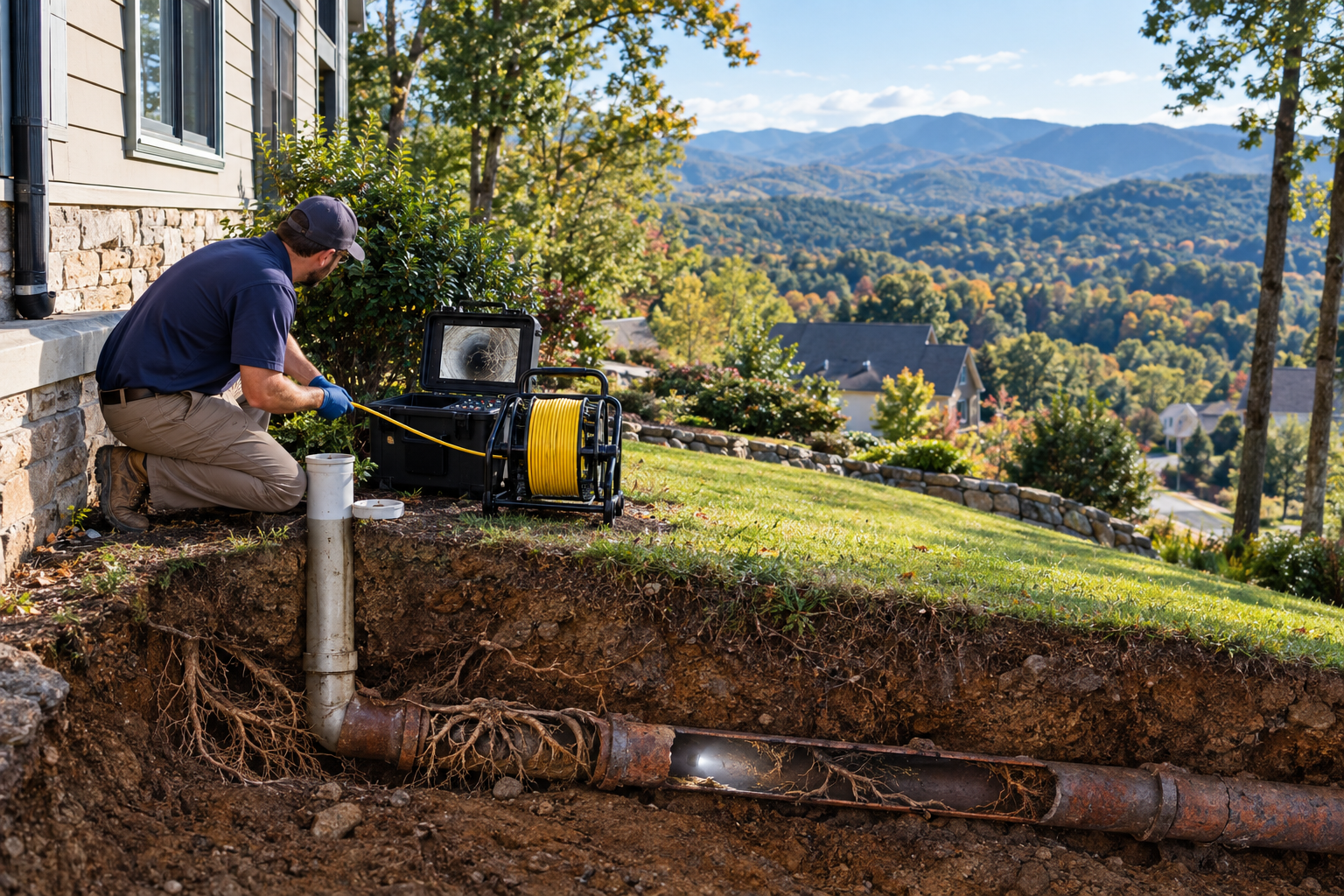
- Sewer scope inspections
- Thermal imaging
- Septic inspections
- Water sampling
Step 2: Focus on Major Issues First
One of the biggest mistakes buyers make is focusing equally on every item in the report.
Not all findings carry the same importance.
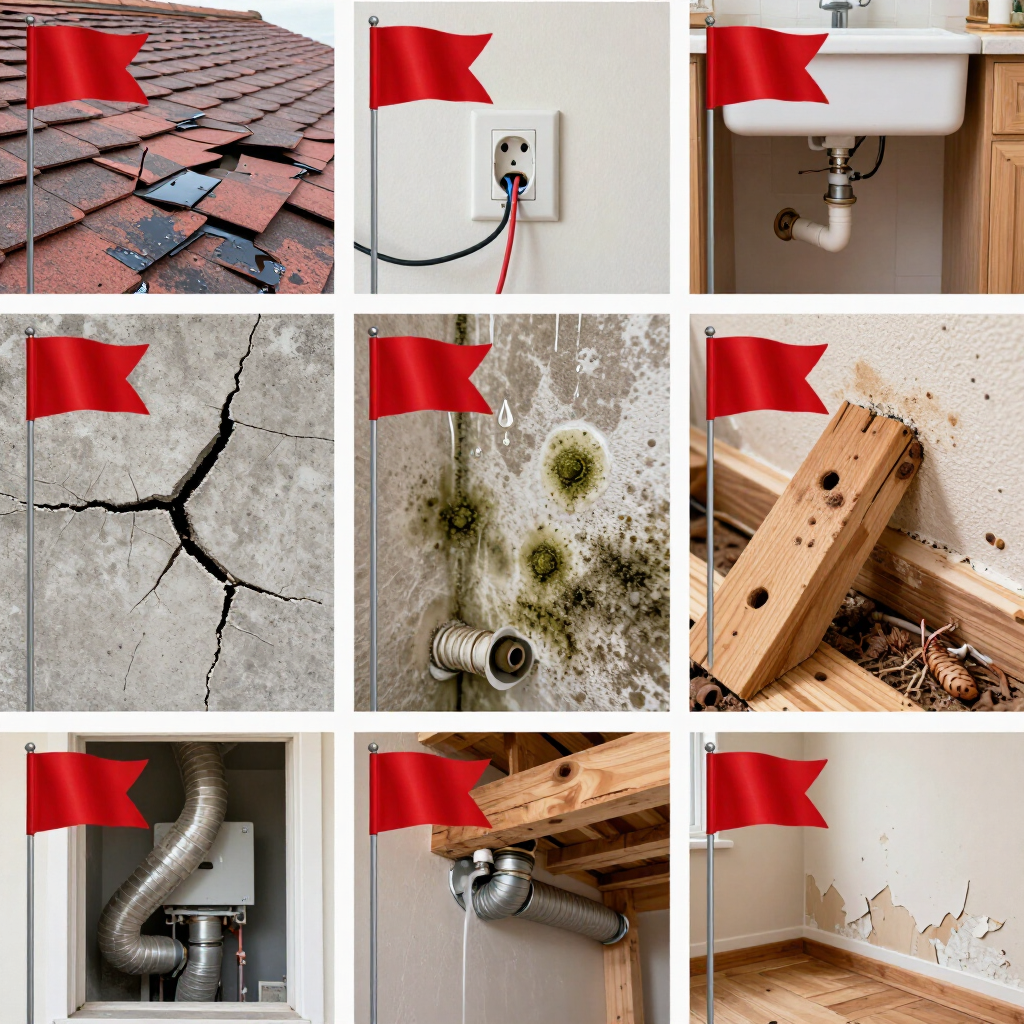
High-Priority Issues Typically Include:
Structural Problems
- Foundation movement
- Sagging floors
- Structural rot
- Major framing concerns
Roof Damage
- Active leaks
- Significant aging
- Missing shingles
- Flashing failures
Electrical Hazards
- Unsafe panels
- Exposed wiring
- Double-tapped breakers
- Fire hazards
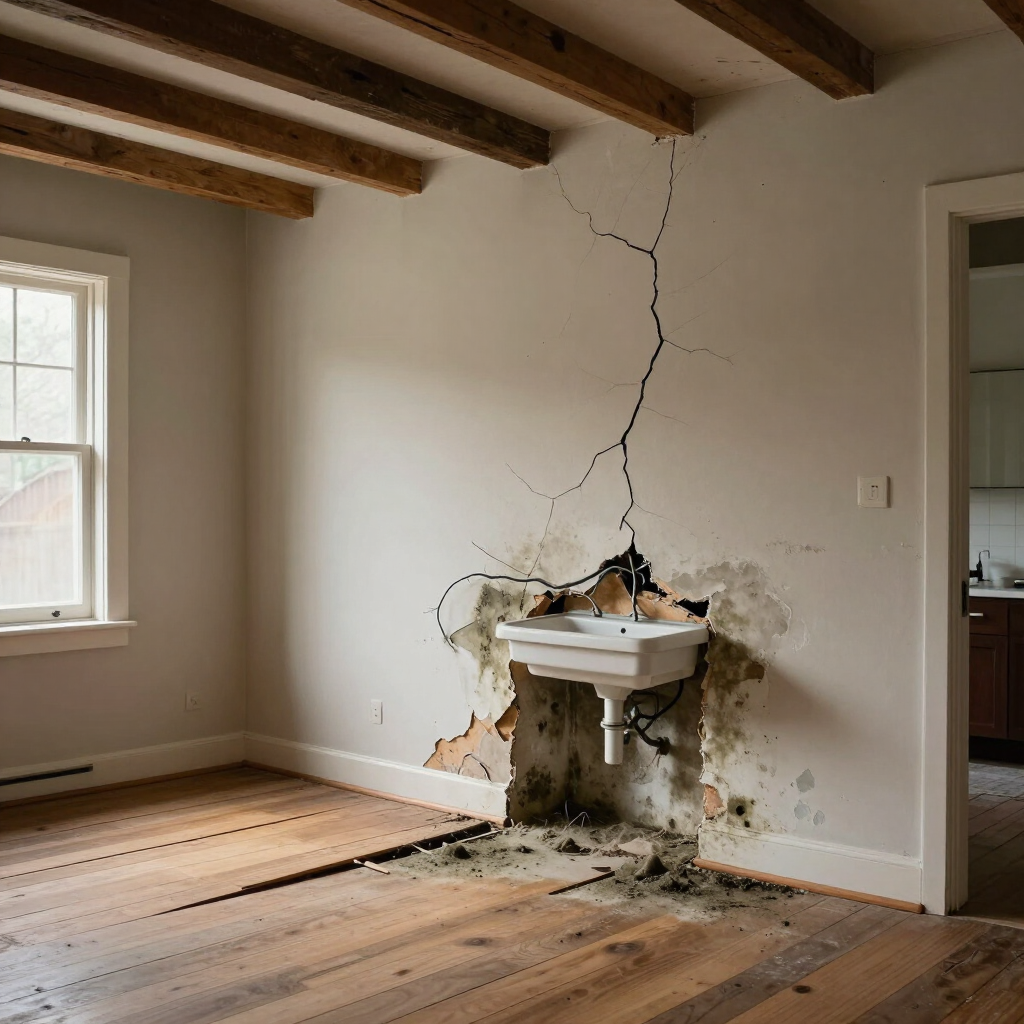
Moisture & Mold
- Standing water
- Mold growth
- High moisture readings
- Water intrusion
Plumbing or Sewer Problems
- Sewer backups
- Major leaks
- Septic failures
HVAC Concerns
- Non-functional systems
- Unsafe operation
- End-of-life equipment
Minor Issues Are Common
Most reports also include smaller maintenance items like:
- Loose door handles
- Minor caulking repairs
- Dripping faucets
- Cosmetic cracks
- Worn weatherstripping
These items are normal and usually not major negotiation points.
Step 3: Talk With Your Real Estate Agent
After reviewing the report, buyers typically discuss findings with their agent.
Your agent can help determine:
- Which issues are serious
- Which repairs are common
- What’s worth negotiating
- How local market conditions affect negotiations
In competitive markets like Asheville, negotiation strategies vary depending on:
- Inventory levels
- Seller leverage
- Home condition
- Buyer competition
Step 4: Decide Whether Further Evaluations Are Needed
Sometimes inspectors recommend additional specialist evaluations.
This does not necessarily mean there’s a major problem—it simply means further expertise may be helpful.
Common Specialist Referrals Include:
Structural Engineers
For significant foundation or framing concerns.
Electricians
For outdated panels or wiring hazards.
HVAC Contractors
For aging or malfunctioning systems.
Roofers
For roof replacement estimates.
Mold Specialists
For elevated moisture or suspected mold growth.
Septic Professionals
For septic system concerns.
Step 5: Negotiate Repairs or Credits
After reviewing the inspection, buyers may submit a repair request or negotiation proposal to the seller.
Common Negotiation Options
Seller Repairs
The seller agrees to complete repairs before closing.
Seller Credits
The seller offers money toward repairs instead of completing work.
Price Reductions
The purchase price is lowered to account for needed repairs.
“As-Is” Acceptance
The buyer accepts the property condition and moves forward without requesting changes.
Which Repairs Are Usually Negotiated?
Buyers commonly negotiate:
- Safety concerns
- Structural defects
- Roof problems
- Electrical hazards
- Plumbing leaks
- HVAC failures
- Moisture intrusion
- Major appliance failures
Cosmetic items are less commonly negotiated.
Step 6: Decide Whether to Move Forward
Once negotiations are complete, buyers must decide whether they still feel comfortable proceeding with the purchase.
Most buyers move forward successfully after:
- Negotiating repairs
- Receiving credits
- Understanding future maintenance needs
However, occasionally inspections uncover major concerns that change the buyer’s decision.
That’s exactly why inspections are so valuable.
What Happens If Major Problems Are Found?
Finding problems does not automatically mean:
“Walk away.”
Many issues are manageable if:
- Repair costs are reasonable
- Sellers cooperate
- Buyers budget appropriately
However, some buyers may reconsider if inspections uncover:
- Severe structural damage
- Extensive mold contamination
- Major foundation movement
- Significant water intrusion
- Failing septic systems
- Unsafe electrical systems
The key is understanding the true condition before closing.
Common Issues Found in Western NC Homes
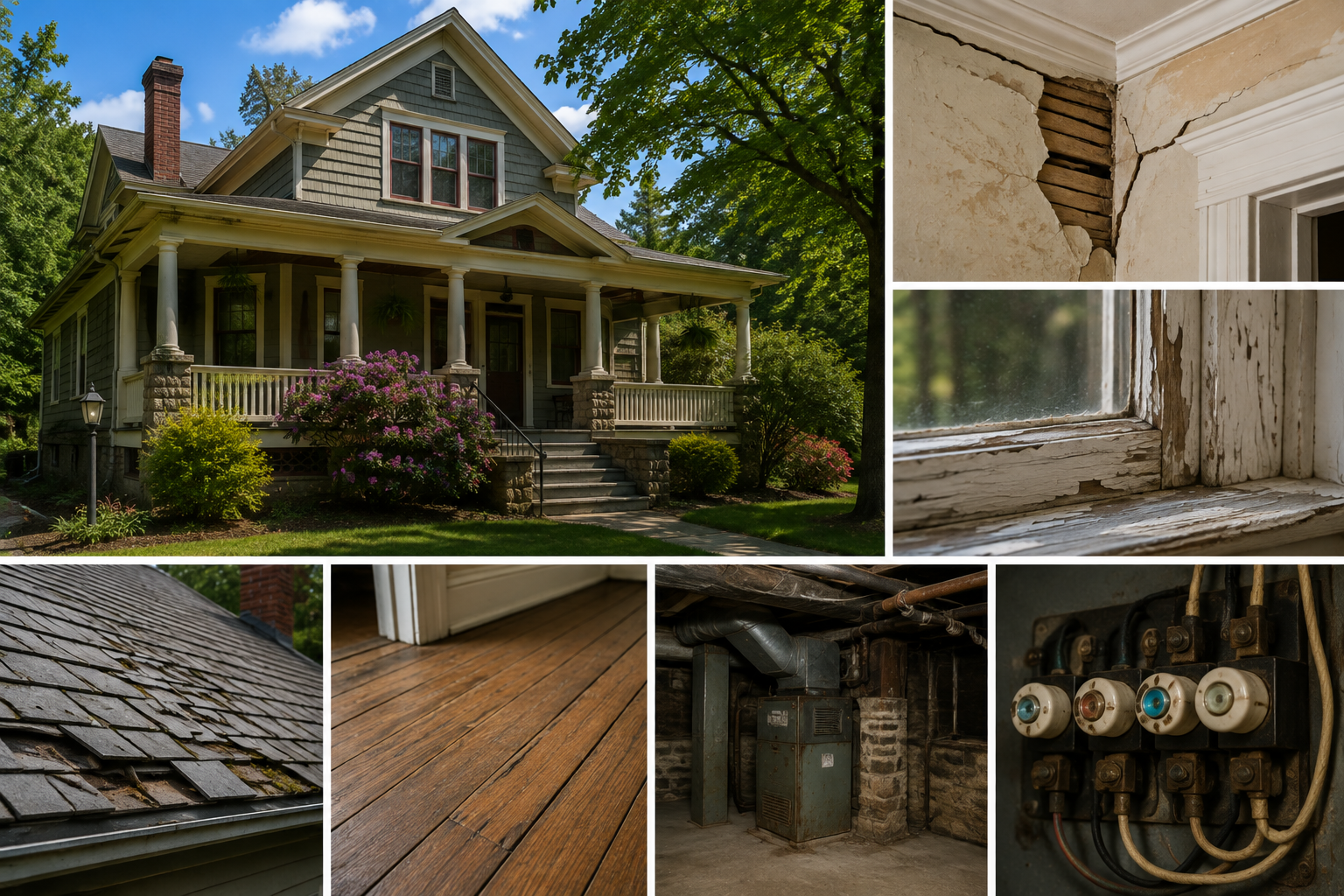
Homes throughout Asheville, Hendersonville, and Brevard often experience region-specific issues related to:
- Mountain moisture
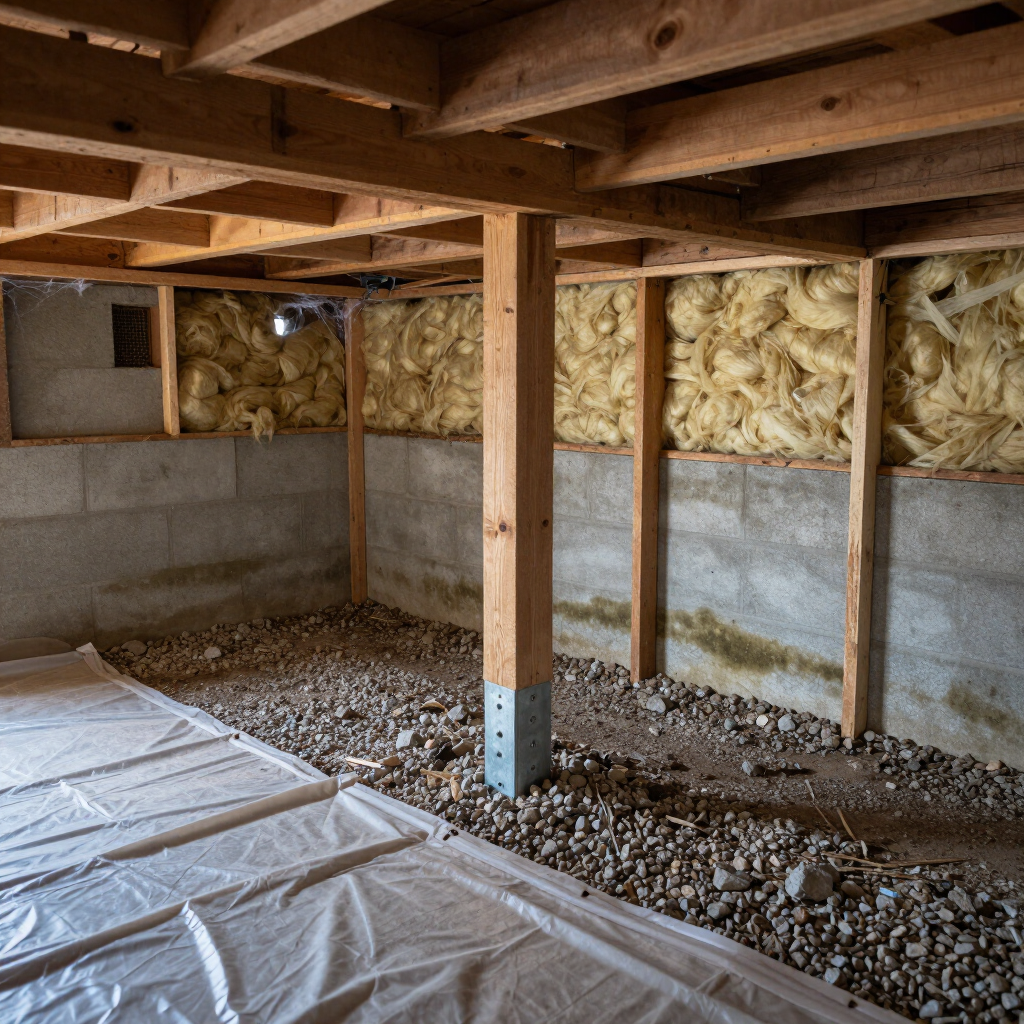
- Crawlspace humidity
- Radon
- Drainage
- Aging construction
- Septic systems
At Western North Carolina Property Inspections, we specifically look for these regional concerns.
Common Local Findings Include:
- Crawlspace moisture
- Mold growth
- Foundation settlement
- Roof wear from storms
- Radon exposure
- Drainage issues
- Older electrical systems
- Septic maintenance concerns
Should Buyers Attend the Inspection?
Absolutely.
Attending the inspection helps buyers:
- Learn how systems operate
- Ask questions directly
- Understand maintenance needs
- See concerns firsthand
Many buyers find the walkthrough more valuable than the report itself.
How Long Does Due Diligence Last in NC?
In North Carolina, buyers typically have a negotiated due diligence period where inspections occur.
During this time, buyers may:
- Inspect the home
- Negotiate repairs
- Request specialist evaluations
- Terminate the contract if needed
Timing is important because buyers want enough time to:
- Review reports
- Get contractor estimates
- Make informed decisions
Frequently Asked Questions
Is it normal for inspection reports to be long?
Yes. Thorough reports often contain many pages of findings, recommendations, and photos.
Can a house fail an inspection?
No. Inspections are informational only.
Should buyers ask sellers to fix everything?
Not usually. Focus on major concerns involving safety, structure, or expensive repairs.
What if the seller refuses repairs?
Buyers may still proceed, negotiate credits, or walk away during due diligence.
Why Professional Inspections Matter
Home inspections provide:
- Financial protection
- Negotiation leverage
- Maintenance awareness
- Peace of mind
Without inspections, buyers assume enormous risk.
At Western North Carolina Property Inspections, we help buyers understand homes—not just reports.
Schedule Your Home Inspection in Western NC
Whether you’re buying your first home or your next investment property, a professional inspection helps you move forward confidently.
At Western North Carolina Property Inspections, we proudly serve:
- Asheville
- Hendersonville
- Brevard
- Arden
- Fletcher
- Black Mountain
- Weaverville
- And surrounding communities
We offer:
- Residential inspections
- Thermal imaging
- Radon testing
- Mold assessments
- Sewer scope inspections
- Septic inspections
- Water sampling
Call (828) 989-9715 or schedule online at
https://www.wncpropertyinspections.com/