When buyers think about home inspections, they usually focus on the roof, foundation, HVAC system, or electrical panel. But one of the most expensive and overlooked problems in real estate is hidden underground:
The sewer line.
A sewer line issue can cost thousands of dollars to repair, yet many buyers never think to have it inspected before closing. That’s why experienced real estate agents throughout Asheville, Hendersonville, Brevard, and surrounding Western North Carolina communities increasingly recommend sewer scope inspections during the due diligence period.
At Western North Carolina Property Inspections, we regularly perform sewer scope inspections that uncover hidden problems buyers would never notice during a normal showing or standard home inspection
.
In this guide, we’ll explain:
- What a sewer scope inspection is
- Why realtors recommend it
- Common sewer problems found in Western NC homes
- Warning signs buyers should know
- How sewer scopes protect buyers from major repair costs
What Is a Sewer Scope Inspection?
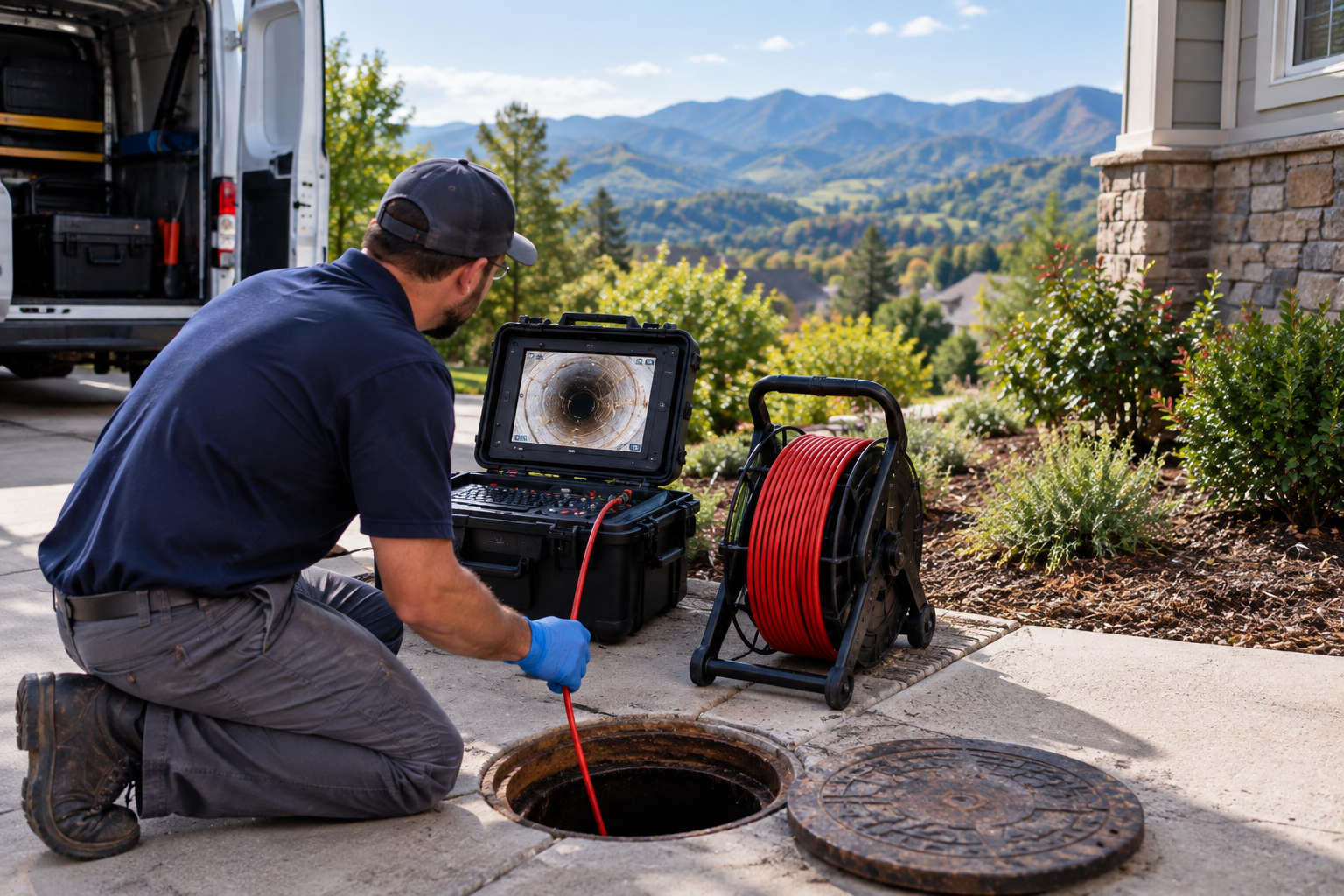
A sewer scope inspection uses a specialized waterproof camera attached to a flexible cable that is inserted into the home’s sewer line.
The camera travels through the pipe and allows inspectors to evaluate:
- Pipe condition
- Cracks or breaks
- Root intrusion
- Blockages
- Pipe sagging
- Corrosion
- Offsets or separations
This inspection helps reveal hidden underground problems before buyers finalize the purchase.
Why Standard Home Inspections Don’t Fully Inspect Sewer Lines
A standard home inspection typically evaluates:
- Visible plumbing fixtures
- Drain flow
- Water pressure
- Signs of backups
However, inspectors cannot fully evaluate underground sewer pipes without specialized camera equipment.
A home may appear perfectly functional during a showing while serious sewer damage exists underground.
That’s why sewer scope inspections are considered a valuable add-on service.
Why Realtors Recommend Sewer Scope Inspections
Experienced realtors understand that sewer problems can become major financial surprises after closing.
A sewer scope inspection helps:
- Protect buyers
- Prevent deal-breaking surprises
- Reduce post-sale disputes
- Provide negotiation leverage
- Avoid emergency plumbing costs
For many agents, recommending sewer scopes is simply part of good risk management—especially for older homes.
Homes Most Likely to Need Sewer Scope Inspections
While any property can have sewer problems, certain homes carry much higher risk.
1. Older Homes
Homes built before the 1980s often contain aging sewer materials like:
- Clay pipes
- Cast iron
- Orangeburg piping
These materials deteriorate over time.
Asheville’s historic neighborhoods contain many homes with original underground plumbing systems still in place.
2. Homes with Mature Trees
Tree roots are one of the biggest causes of sewer line damage in Western NC.
Roots naturally seek moisture and can:
- Enter tiny pipe cracks
- Expand inside pipes
- Cause severe blockages
- Break pipe joints
Many beautiful mountain properties feature mature landscaping—which also increases sewer risk.
3. Homes with Frequent Drain Problems
Warning signs may include:
- Slow drains
- Gurgling toilets
- Recurring backups
- Sewer odors
These symptoms may indicate hidden line damage underground.
4. Homes with Large Yards or Long Sewer Runs
Longer sewer lines create more opportunities for:
- Pipe separation
- Root intrusion
- Ground movement
- Drainage problems
Rural and mountain homes often have extensive underground plumbing systems.
Common Problems Found During Sewer Scope Inspections
At Western North Carolina Property Inspections, some of the most common sewer issues we uncover include:
Root Intrusion
Tree roots entering sewer lines are extremely common in Asheville-area homes.
Roots can:
- Restrict flow
- Cause backups
- Crack pipes
- Completely block sewer systems
Pipe Cracks & Breaks
Ground movement, age, and corrosion may cause:
- Cracked sewer pipes
- Pipe collapse
- Leaks underground
These problems may worsen over time if not addressed.
Sagging Sewer Lines (“Bellies”)
A sewer belly occurs when part of the pipe sinks, creating low spots where waste and water collect.
This often causes:
- Frequent clogs
- Slow drainage
- Ongoing backups
Corrosion
Older cast iron pipes commonly corrode internally.
This may lead to:
- Reduced flow
- Leaks
- Pipe failure
Offset Pipe Connections
Over time, pipe sections may shift due to:
- Soil movement
- Poor installation
- Foundation settling
Misaligned pipes can trap waste and cause recurring drainage issues.
Why Sewer Repairs Are So Expensive
Unlike visible plumbing repairs, sewer line repairs often require:
- Excavation
- Trenching
- Landscaping removal
- Concrete cutting
- Pipe replacement
Repair costs frequently range:
Severe replacements may cost even more.
Compared to those costs, a sewer scope inspection is a very small investment.
Sewer Problems Are Common in Western NC
Mountain homes face additional risks due to:
- Sloped terrain
- Soil movement
- Heavy rainfall
- Mature trees
- Aging infrastructure
We regularly find sewer concerns in:
- Asheville
- Hendersonville
- Brevard
- Black Mountain
- Weaverville
- Older mountain communities
What Happens During a Sewer Scope Inspection?
The process is relatively simple and non-invasive.
Step 1: Access Point Identification
The inspector locates an appropriate access point such as:
- Cleanouts
- Drain access locations
Step 2: Camera Insertion
A waterproof sewer camera is inserted into the line.
The camera records:
- Real-time video
- Pipe condition
- Damage or obstructions
Step 3: Inspection Review
Buyers receive:
- Findings summary
- Video/images when applicable
- Recommendations for repairs or further evaluation
How Sewer Scope Inspections Help Buyers Negotiate
If sewer issues are discovered during due diligence, buyers may:
- Request repairs
- Negotiate seller credits
- Request price reductions
- Obtain contractor estimates
- Reconsider the purchase if needed
Without a sewer scope, buyers may inherit expensive underground problems after closing.
Are Sewer Scope Inspections Worth It?
In most cases:
Absolutely.
Especially for:
- Older homes
- Homes with mature trees
- Properties with slow drains
- Mountain homes
- Investment properties
A sewer scope provides peace of mind and valuable information buyers otherwise wouldn’t have.
What Realtors Appreciate About Sewer Scopes
Real estate professionals often recommend sewer scopes because they:
- Reduce transaction surprises
- Protect clients
- Improve transparency
- Help prevent future disputes
- Demonstrate professionalism
Many agents have seen buyers face major sewer repairs shortly after closing when inspections were skipped.
Frequently Asked Questions
How Long Does a Sewer Scope Inspection Take?
Typically 30–90 minutes depending on accessibility and pipe condition.
Can Sewer Problems Exist Even if Drains Seem Normal?
Yes. Many damaged sewer lines function temporarily before major failure occurs.
Is Sewer Scope Inspection Included in a Regular Home Inspection?
No. It is usually an optional add-on service.
Should Newer Homes Get Sewer Scopes Too?
Sometimes yes—especially if installation issues or construction debris are concerns.
Schedule a Sewer Scope Inspection in Western NC
Hidden sewer problems can become some of the most expensive repairs homeowners face.
At Western North Carolina Property Inspections, our sewer scope inspections help buyers uncover hidden underground issues before closing.
We proudly serve:
- Asheville
- Hendersonville
- Brevard
- Arden
- Fletcher
- Black Mountain
- Weaverville
- And surrounding mountain communities
We offer:
- Residential inspections
- Sewer scope inspections
- Thermal imaging
- Radon testing
- Mold assessments
- Septic inspections
- Water testing
Call (828) 989-9715 or schedule online at
https://www.wncpropertyinspections.com/sewer-scope