Crawlspaces are one of the most overlooked parts of a home—and one of the most important.
Out of sight often means out of mind for homeowners, but experienced inspectors know that crawlspaces can reveal serious problems affecting a home's:
- Structure
- Air quality
- Energy efficiency
- Moisture control
- Pest activity
- Long-term value
In Western North Carolina, crawlspace issues are especially common due to:
- High humidity
- Heavy rainfall
- Mountain terrain
- Older home construction
At
Western North Carolina Property Inspections, crawlspaces are one of the first places we carefully evaluate during a home inspection. Many hidden issues start below the home long before they become visible inside.
In this guide, we’ll explain:
- What home inspectors look for in crawlspaces
- Common problems found in Western NC homes
- Why crawlspace moisture is such a serious issue
- Warning signs homeowners should never ignore
- How to protect your home from expensive damage
What Is a Crawlspace?
A crawlspace is a shallow area beneath a home that provides access to:
- Plumbing
- Electrical wiring
- HVAC ductwork
- Structural framing
Unlike full basements, crawlspaces are typically:
- 1–4 feet tall
- Unfinished
- Ventilated or partially sealed
Many homes in Asheville, Hendersonville, Brevard, and surrounding mountain communities are built with crawlspaces due to sloped terrain and foundation design.
Why Crawlspaces Matter So Much
Your crawlspace affects much more than the area beneath your floors.
Problems below the home can impact:
- Indoor air quality
- Structural stability
- Heating and cooling efficiency
- Mold growth
- Pest infestations
- Flooring performance
In fact, studies suggest up to 50% of the air inside a home can originate from the crawlspace due to the stack effect.
That means moisture, mold spores, and odors beneath the home often circulate into living areas.
What Home Inspectors Look for in Crawlspaces
During a crawlspace inspection, we carefully evaluate several key areas.
1. Moisture Intrusion
Why It Matters
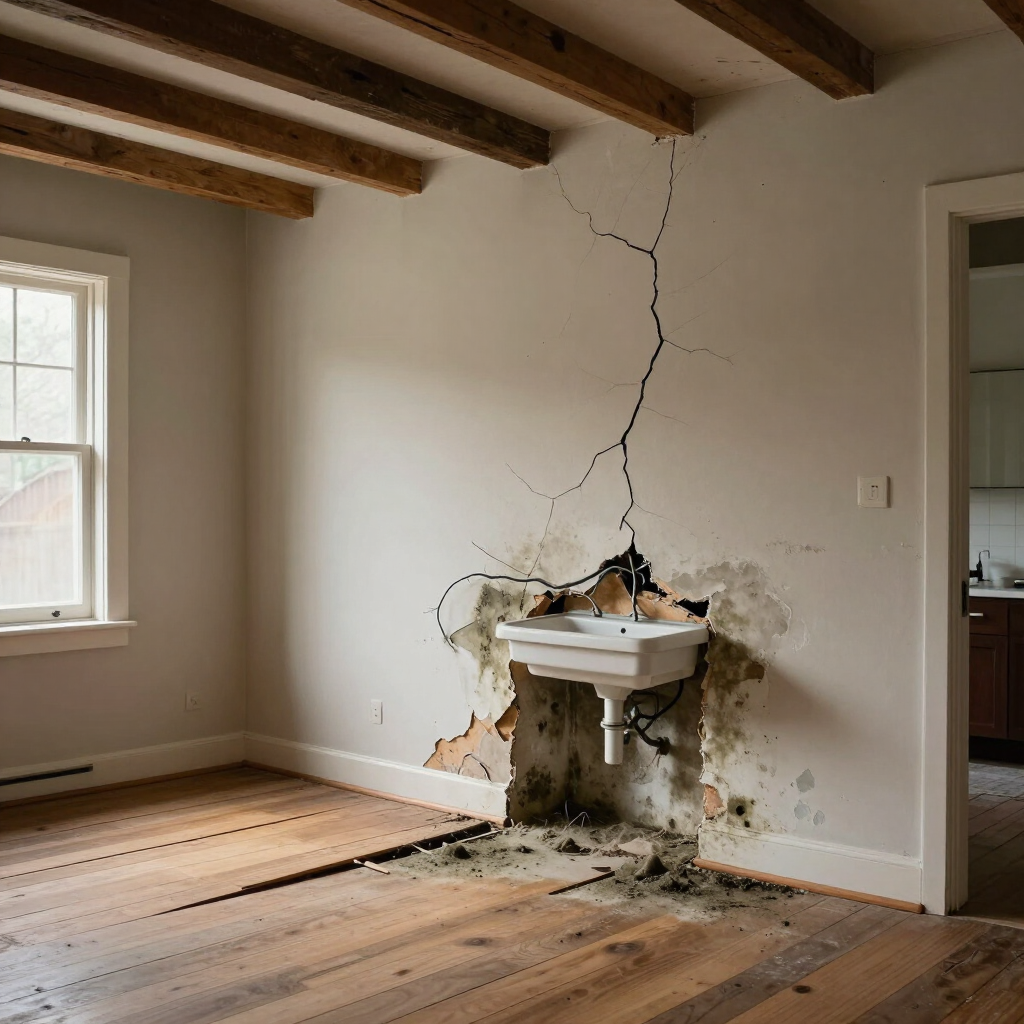
Moisture is the most common crawlspace problem we find in Western North Carolina.
Excess moisture can lead to:
- Mold growth
- Wood rot
- Structural deterioration
- Poor indoor air quality
- Pest attraction
Common Signs of Moisture Problems
We look for:
- Standing water
- Damp soil
- Condensation on ductwork
- Water staining
- Elevated humidity
- Wet insulation
- Rusted metal components
Even small moisture issues can become major problems over time.
Common Causes
- Poor drainage around the home
- Heavy rainfall
- Improper grading
- Plumbing leaks
- Inadequate vapor barriers
- Poor ventilation
Mountain climates and seasonal humidity make crawlspace moisture particularly common in Asheville-area homes.
2. Vapor Barrier Condition
What Is a Vapor Barrier?
A vapor barrier is a plastic liner installed over the soil to reduce ground moisture entering the crawlspace.
What Inspectors Check
We evaluate:
- Coverage completeness
- Tears or damage
- Proper installation
- Whether the barrier is secured correctly
Many older homes either:
- Have damaged barriers
- Have incomplete coverage
- Have no vapor barrier at all
Incomplete vapor barriers allow moisture to continuously rise into the crawlspace.
3. Structural Components
Inspectors carefully evaluate the home’s structural framing underneath the house.
We Look For:
- Sagging floor joists
- Cracked beams
- Improper support posts
- Wood rot
- Termite damage
- Foundation movement
In older Western NC homes, we often find temporary repairs or aging supports that need attention.
4. Mold & Fungal Growth
Why It’s a Concern
Dark, damp crawlspaces create ideal conditions for mold growth.
Mold may affect:
- Indoor air quality
- Respiratory health
- Structural wood materials
What Inspectors Look For
- Visible microbial growth
- Musty odors
- Discolored framing
- Moisture-heavy areas
If concerns are present, additional [Mold Assessment –
https://www.westernnorthcarolinapropertyinspectionsllc.com/mold-assessment] may be recommended.
5. Insulation Problems
Crawlspace insulation often deteriorates over time due to moisture or poor installation.
Common Issues Include:
- Falling insulation
- Wet insulation
- Missing insulation
- Improper insulation types
- Rodent-damaged insulation
Poor insulation contributes to:
- Energy loss
- Uneven floor temperatures
- Higher utility bills
6. Plumbing Leaks
Many plumbing lines run through crawlspaces, making inspections critical.
We Check For:
- Dripping pipes
- Corrosion
- Improper pipe support
- Active leaks
- Signs of previous repairs
Even slow leaks can dramatically increase crawlspace humidity over time.
7. HVAC Ductwork
Crawlspaces commonly contain ductwork for heating and cooling systems.
Common Problems We Find
- Disconnected ducts
- Condensation buildup
- Poor insulation
- Air leaks
- Damaged ductwork
These issues reduce HVAC efficiency and increase energy costs.
8. Pest Activity
Dark, damp crawlspaces attract pests.
Signs of Pest Problems
- Rodent droppings
- Termite tubes
- Insect activity
- Damaged insulation
- Nesting materials
Wood-destroying insects are especially concerning because they can weaken structural framing.
9. Electrical Safety Concerns
Crawlspaces sometimes contain unsafe wiring installations.
We Look For:
- Exposed wiring
- Improper junction boxes
- Loose connections
- Unsafe extension cord use
- Damaged conduit
Electrical hazards beneath the home often go unnoticed for years.
Common Crawlspace Problems in Western NC Homes
Because of local environmental conditions, we frequently encounter:
- High humidity
- Water intrusion
- Poor drainage
- Mold growth
- Wood rot
- Aging supports
- Inadequate ventilation
Homes in:
- Asheville
- Brevard
- Hendersonville
- Black Mountain
- Weaverville
…are particularly vulnerable due to mountainous terrain and seasonal moisture.
Warning Signs Homeowners Should Watch For
You may need a crawlspace inspection if you notice:
- Musty odors indoors
- Uneven floors
- Increased allergy symptoms
- Higher utility bills
- Condensation on windows
- Warped flooring
- Mold smells
- Excess humidity indoors
These symptoms often originate beneath the home.
Should Crawlspaces Be Encapsulated?
In many cases, yes.
Crawlspace encapsulation involves:
- Sealing vents
- Installing heavy-duty vapor barriers
- Controlling humidity
- Improving drainage
Benefits may include:
- Better indoor air quality
- Lower humidity
- Reduced mold risk
- Improved energy efficiency
- Longer structural lifespan
Not every crawlspace requires full encapsulation, but many homes benefit significantly from moisture management improvements.
Why Crawlspace Inspections Matter During Real Estate Transactions
Buyers should never ignore crawlspace conditions.
Problems beneath the home can:
- Affect negotiations
- Create financing issues
- Lead to expensive future repairs
Sellers can also benefit from identifying issues before listing the property.
A professional crawlspace inspection helps everyone understand the true condition of the home.
Frequently Asked Questions
Do all homes in Western NC have crawlspace issues?
No—but many do due to moisture and terrain conditions.
Is some moisture normal?
Minor humidity is common, but standing water or elevated moisture should always be addressed.
Can crawlspace problems affect indoor air quality?
Yes. Mold spores and humidity often travel upward into living spaces.
How often should crawlspaces be inspected?
We recommend inspections every few years, especially in humid climates like Western NC.
Schedule a Crawlspace Inspection in Western North Carolina
Crawlspaces may be hidden, but the problems inside them can have a major impact on your home’s safety, structure, and air quality.
At
Western North Carolina Property Inspections, we provide detailed crawlspace evaluations throughout:
- Asheville
- Hendersonville
- Brevard
- Fletcher
- Arden
- Black Mountain
- Weaverville
- And surrounding communities
We offer:
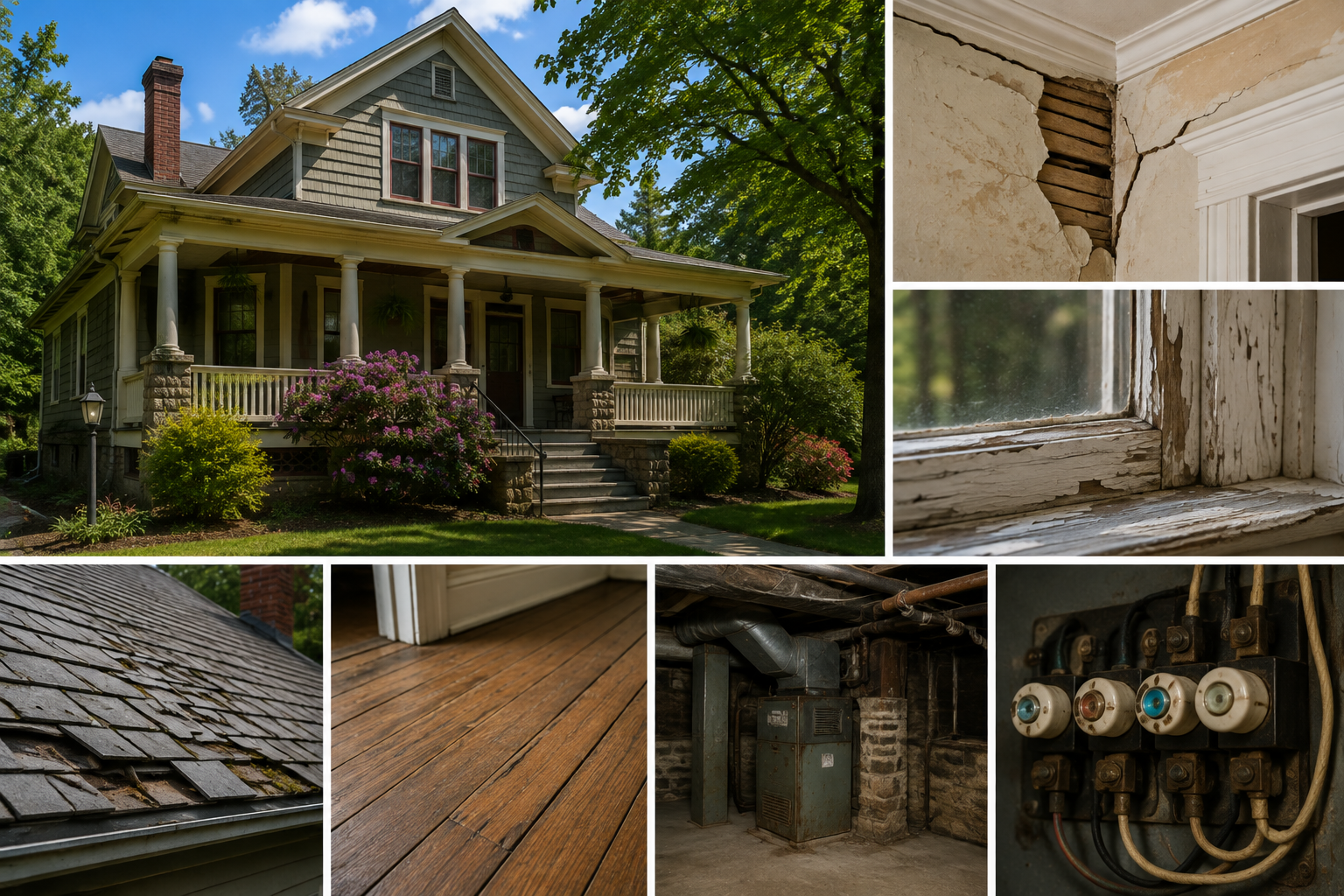
- Full home inspections
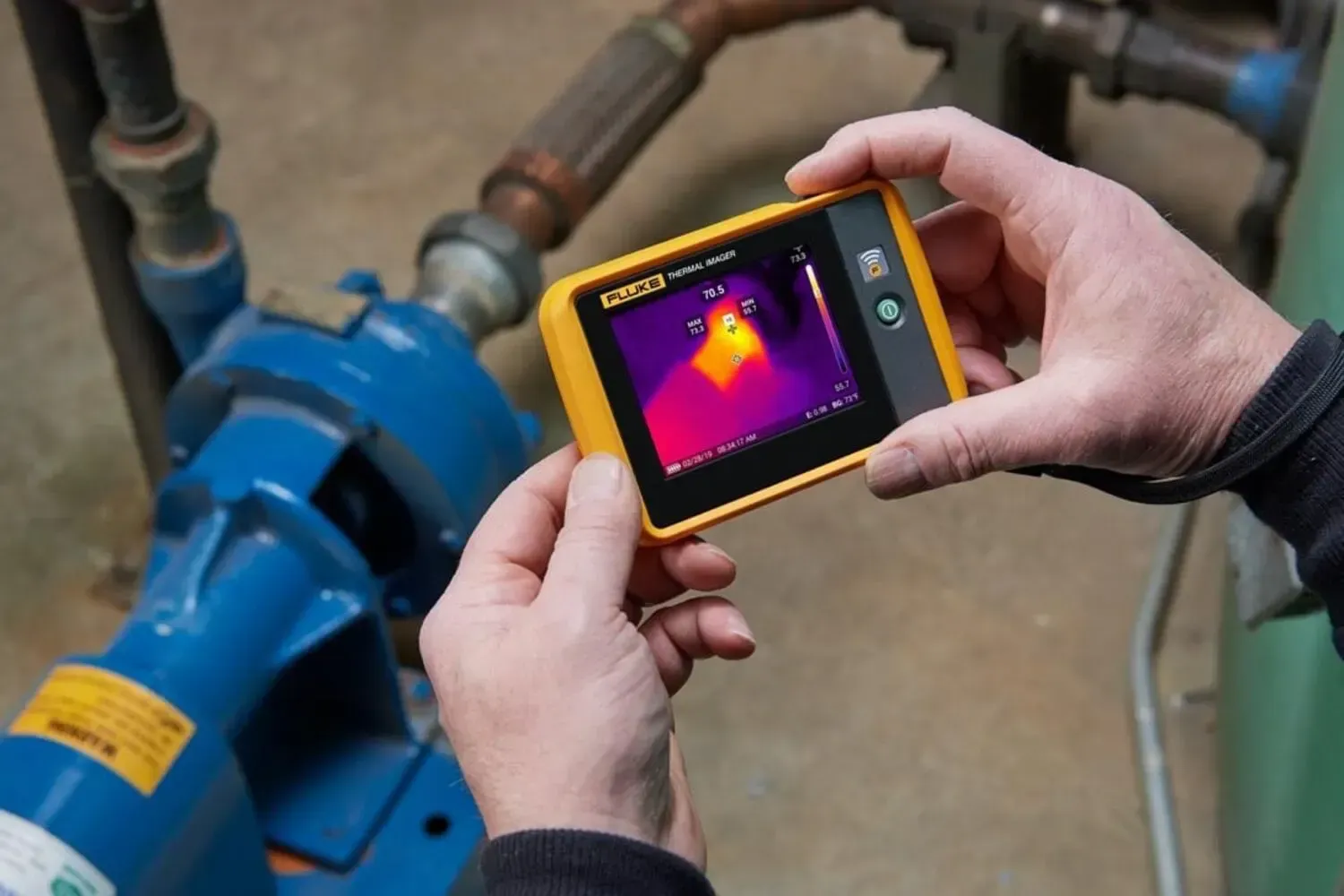
- Thermal imaging
- Moisture detection
- Mold assessments
- Radon testing
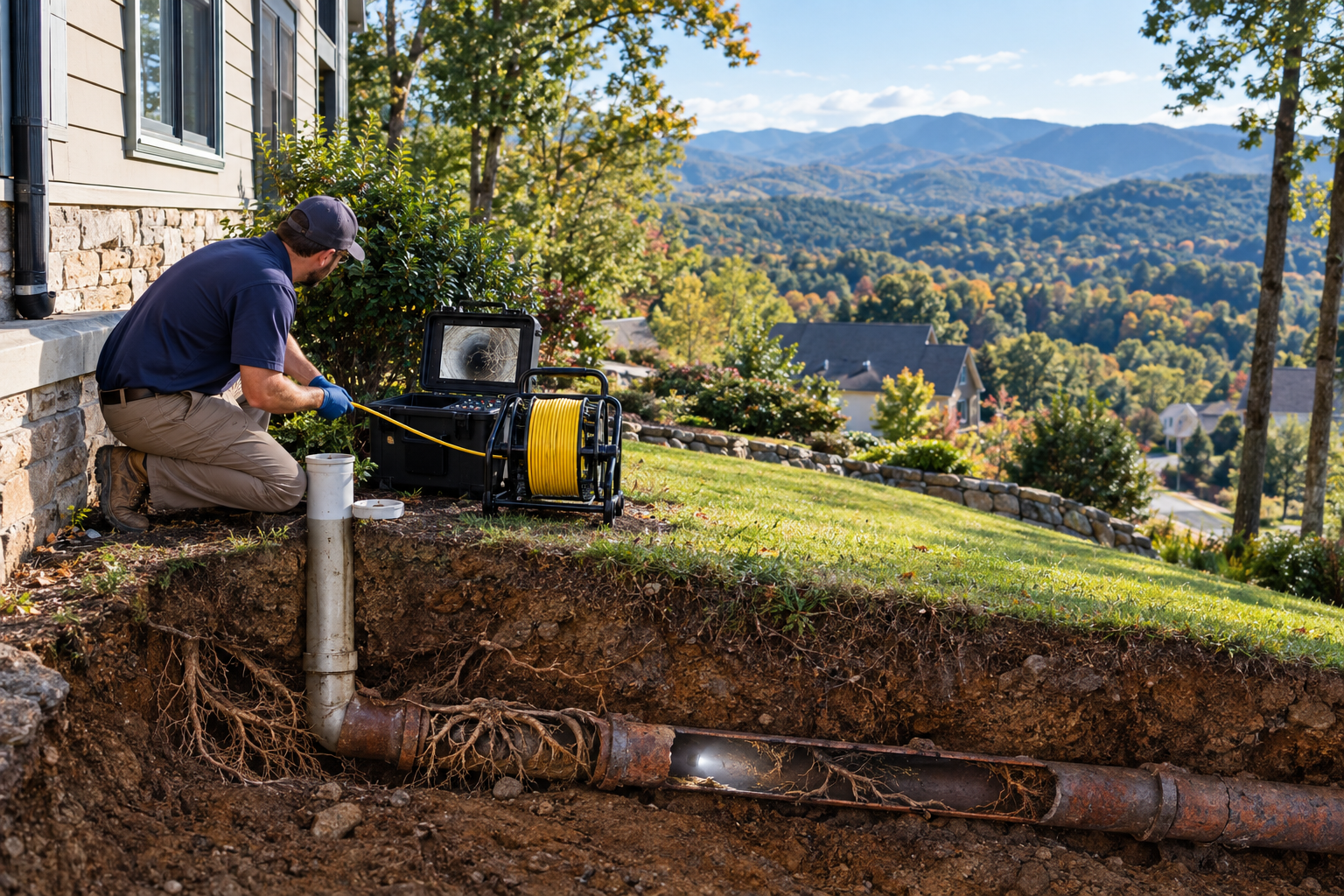
- Sewer scope inspections
- Septic inspections
Call (828) 989-9715
or schedule online at https://www.westernnorthcarolinapropertyinspectionsllc.com